Table of Contents
Most Pittsburgh home remodels do require a permit. If your project touches structure, layout, wiring, mechanical systems, or the exterior of the house, the Department of Permits, Licenses, and Inspections expects an approved application before anyone swings a hammer. Purely cosmetic work, paint, flooring, new cabinet boxes, usually does not.
That’s the short version. The longer version is where homeowners get tripped up, because Pittsburgh layers city zoning review, state building code, and Allegheny County plumbing rules on top of each other. We’ve watched perfectly good projects stall for weeks over a form nobody knew existed. Here’s how to avoid that.
Breaking Down the Real Rule
The city works from the Pennsylvania Uniform Construction Code, which sets the statewide baseline. Under that code, alterations to a home need a permit whenever they involve structural changes or changes to how you get out of the building in an emergency. Pittsburgh then adds its own zoning layer through the Building and Development Application.
So the practical test is simple. Are you moving a wall, altering framing, adding or relocating circuits, running new ductwork, or changing the footprint? Then yes. Are you swapping a countertop and repainting? Then no. Anything in between deserves a phone call before you commit.
How Pittsburgh’s Permit Process Actually Works
Since June 2024, the city has combined building permits and zoning approval into a single Building and Development Application filed through the OneStopPGH portal. That was a genuine improvement. One submission now routes to both reviewers instead of forcing you to chase two departments in sequence.
Your application still gets read twice, though. Zoning checks land use, setbacks, and whether your plan fits the district. PLI checks life safety against the building code. Both have to clear before a permit issues.
The Trade Permits Nobody Mentions
Electrical and mechanical permits are separate from the building permit. Plumbing is stranger still: Pittsburgh doesn’t issue plumbing permits at all. That work is regulated by the Allegheny County Health Department, so a bathroom project can easily involve three different agencies. This is one reason working with an experienced Pittsburgh remodeling contractor saves more time than money.
What can a homeowner do without a permit in Pennsylvania?
The state code carves out a specific list of exempt work, and it’s narrower than most people assume. Painting, wallpapering, tiling, carpeting, cabinets, and countertops are all clearly exempt. So are fences six feet or shorter, retaining walls four feet or under without a surcharge behind them, and playground equipment.
Pittsburgh adds a few local exemptions. A detached one-story shed or playhouse is exempt at 200 square feet or less. An uncovered deck sitting no more than 30 inches off the ground skips the building permit but still needs zoning approval.
| Project | Permit needed in Pittsburgh? |
|---|---|
| Repainting, new flooring, new countertops | No |
| Replacing cabinets in the same layout | No |
| Shed under 200 sq ft | No |
| Uncovered deck under 30 inches high | Zoning approval only |
| Fence 6 feet or under | Zoning approval only |
| Moving or removing a wall | Yes |
| New or relocated electrical circuits | Yes |
| Roof replacement | Yes |
| Any addition | Yes |
Do you need a permit to remodel your bathroom in PA?
Usually, yes, and bathrooms surprise people more than any other room. A cosmetic refresh where you retile, repaint, and swap a vanity in place typically falls under the exemption. But the moment you relocate the toilet, move the shower drain, add a circuit for heated floors, or enlarge the room, you’ve crossed into permit territory.
Ventilation matters too. Adding or rerouting an exhaust fan is mechanical work. And because plumbing runs through the county rather than the city, a full bathroom gut can require a city building permit, a city electrical permit, a city mechanical permit, and a county plumbing permit. Handling all four is routine for firms that pull home remodeling permits Pittsburgh homeowners need every week.
What happens if you install windows without a permit?
Here’s a rare piece of good news. Pennsylvania’s code says a minor framing change needed to replace an existing window or door doesn’t count as a structural change. So a straight like-for-like replacement generally doesn’t require a building permit.
Change the opening, though, and everything changes with it. Widening a window, adding a new one, or converting a window to a door alters the wall’s load path, and that needs review. Skipping it invites a stop-work order, a retroactive application, and sometimes exploratory demolition so an inspector can see what’s behind the drywall.
There’s a resale cost as well. Unpermitted openings show up during appraisals and title work, and lenders don’t like surprises. We’ve seen closings delayed for months over a single unpermitted egress window.
What can you do if your contractor didn’t get a permit for roofing?
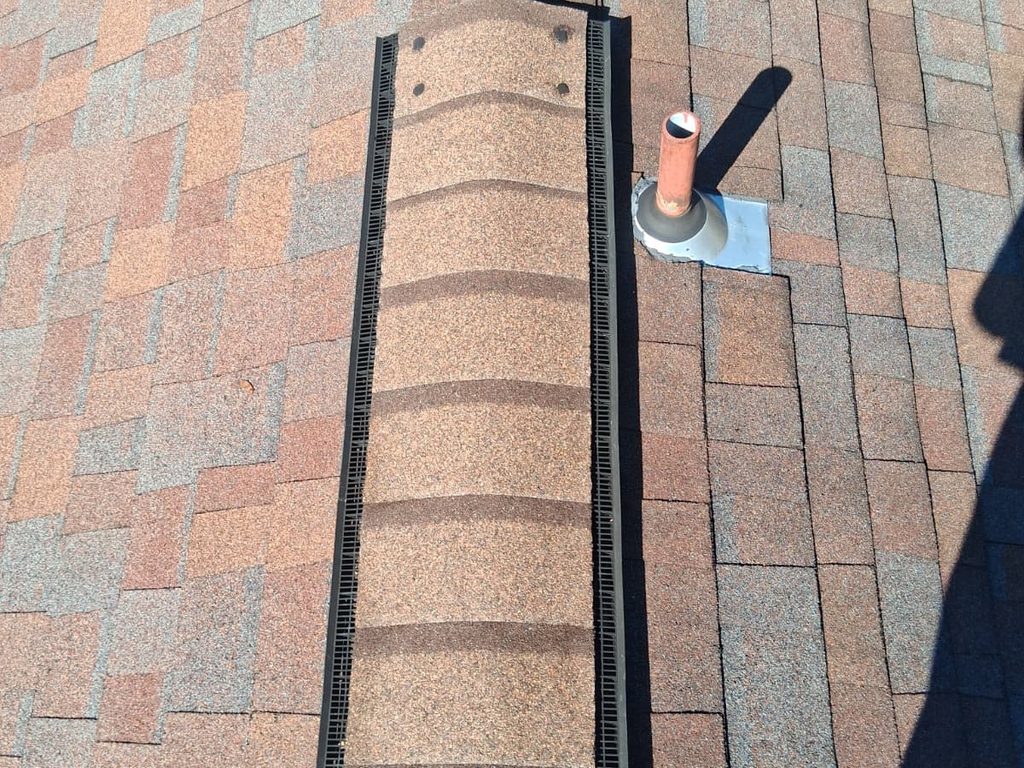
Roof replacement does require a permit in Pittsburgh. It’s classified as a minor alteration, so no drawings are needed, but the permit itself is not optional. If your roofer skipped it, act quickly rather than hoping it goes unnoticed.
A roof replacement in progress. It is classified as a minor alteration in Pittsburgh, but the permit is not optional.
Start by requesting the permit number in writing. If none exists, PLI can usually accept a retroactive application, though you may face additional fees or an inspection that requires opening up finished work. Next, check whether your contractor is registered with the Attorney General’s office under the state’s Home Improvement Consumer Protection Act, which covers contractors performing $5,000 or more of home improvements annually.
You have real leverage here. Written contracts are required for projects over $500, and unregistered contractors face penalties. Document everything, put your concerns in writing, and file a complaint with the Bureau of Consumer Protection if the contractor won’t make it right.
What Permits Cost and How Long They Take
Pittsburgh prices residential permits by project value rather than a flat rate. As of the 2026 schedule, the base residential fee is $6.00 per $1,000 of construction value, with a $130 minimum and an $8,000 ceiling. Forty percent is due at application and is non-refundable, so submitting a sloppy package has a real cost.
Timing is the bigger variable. PLI publishes a target of 15 business days for initial residential review and 8 business days for revisions. Historic district review, steep-slope geotechnical review, and floodplain review each add time on top of that. Budget six to ten weeks for approvals on a substantial project and you’ll rarely be disappointed.
Pittsburgh’s Local Curveballs
Our topography creates requirements you won’t find in flatter cities. Properties on steep slopes, in landslide-prone areas, or over old mine workings can trigger geotechnical or structural engineering reports. That’s not bureaucratic padding. It’s a response to real hillside risk across the city.
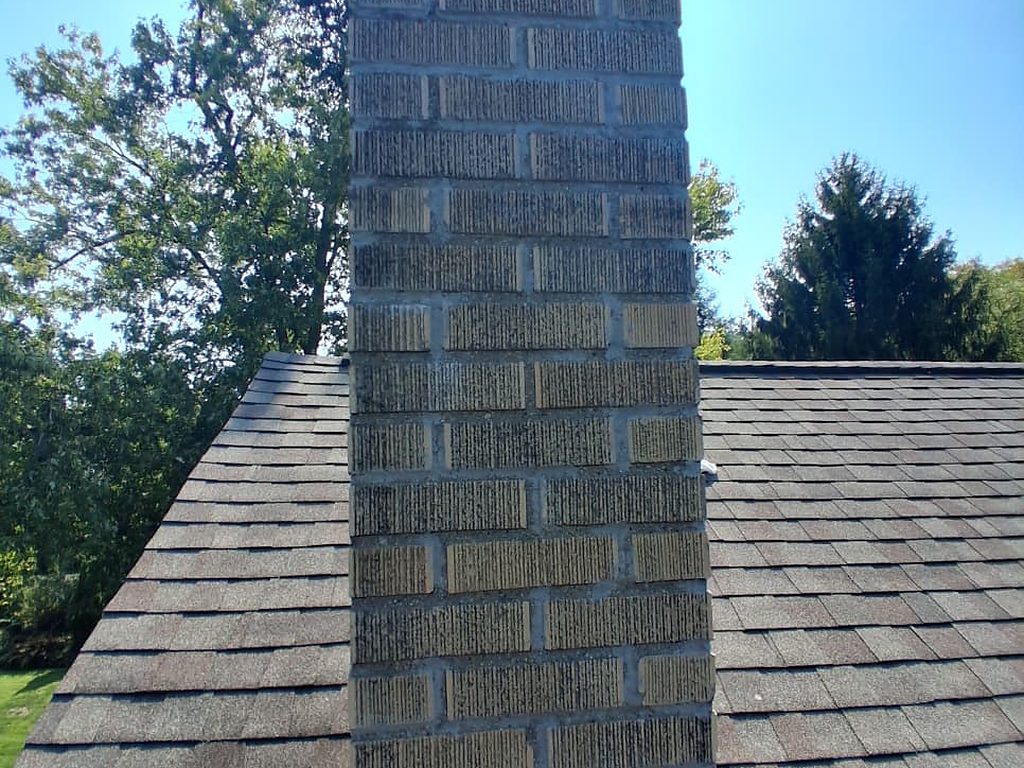
Historic districts are the other big one. Any exterior work on a designated structure or within a historic district requires City Planning review, even for something as ordinary as new shingles. Lawrenceville, Manchester, and the Mexican War Streets all have residents who learned this the hard way.
Exterior work on an older home. In a historic district, even ordinary roof and chimney work goes through City Planning review.
How to Keep Your Approvals Moving
The single best thing you can do is front-load the paperwork. Get an accurate site plan, confirm your zoning district, and identify every trade permit your scope will require before you file. Incomplete applications don’t get rejected outright. They sit in limbo waiting on a response, which is worse.
Also confirm who’s pulling the permit. Owners self-performing work on their primary residence are exempt from the city’s trade license requirement, but a contractor working on your home needs proper registration and, for rental or investment property, a PLI General Contractor License. If you’re weighing scope and sequencing, our Home Remodeling FAQs for Pittsburgh answer the questions we field most often.
Permits Protect the Investment
Permits protect the thing you’re investing in. They create a paper trail that appraisers trust, they force a second set of trained eyes onto your framing and wiring, and they keep a future buyer’s inspector from finding an unpleasant story behind your walls. The fee is almost always smaller than the cost of fixing unpermitted work later.
If you’re unsure where your project lands, ask before you demo. Handling renovation permits correctly from day one is the least glamorous part of a remodel, and the part that determines whether the rest of it goes smoothly.