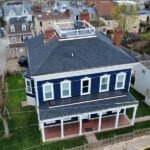
How can you make an older Pittsburgh home more energy efficient during a remodel? Start with the building envelope. Seal air leaks, insulate the attic, the basement rim joists, and any walls you open up, then size your heating system to fit the tighter house. A remodel is the cheapest time to do this, because the walls are already open.
That last point matters more than most people realize. Once the drywall goes back up, you lose the chance to fix what’s behind it for another 30 years. I’ve walked through Pittsburgh homes with gorgeous new kitchens finished over completely empty exterior walls. The owners loved the cabinets. They hated the heating bill.
Why Older Pittsburgh Homes Lose So Much Energy
Pittsburgh has some of the oldest housing in the country. Census-based figures show that nearly half of the city’s homes were built before 1940. These houses were built to breathe, not to hold heat. Plaster over lath, balloon framing, and hollow walls with nothing inside were standard.
Picture a brick rowhouse in Lawrenceville or a foursquare in Brookline. Warm air rises through open wall cavities like a chimney, escaping through the attic while cold air gets pulled in at the basement. Builders call this the stack effect. In any older home renovation, it’s the first problem worth solving.
How Can You Make an Older Pittsburgh Home More Energy Efficient During a Remodel? Start With a Plan
Start with a plan, not a product. Before we swing a hammer, I like to get a home energy audit with a blower door test. The test depressurizes the house and shows exactly where air is sneaking in and out. Sometimes the results surprise everyone, including me.
Get the Audit Before the Design Is Final
The audit is a small line item compared to a full remodel budget. More importantly, it shapes the scope. If the report shows the attic is leaking like a sieve, that becomes priority one, even if the homeowner came in wanting new windows.
Match Upgrades to the Walls You’re Already Opening
Gutting a kitchen on an exterior wall? Insulate that wall while it’s open. Redoing a bathroom over an unheated space? Insulate the floor below it. This piggyback approach is where energy efficient remodeling Pittsburgh homeowners get the most value, because the labor is already happening.
How Can I Make My Old House More Energy Efficient?
Air seal first. Then insulate. Insulation without air sealing is like wearing a wool sweater in the wind. The EPA estimates homeowners save an average of 15% on heating and cooling costs, or about 11% on total energy costs, by sealing and adding insulation in attics, basements, and floors over crawl spaces. That estimate was modeled on homes from the 1970s and 80s, so a drafty pre-war house usually has even more room for improvement. ENERGY STAR has a helpful guide on why sealing and insulating matters if you want to dig deeper.
The spots we target most in older Pittsburgh homes include:
- Attic floors and top plates, where wall cavities open into the attic.
- Basement rim joists, which are often bare wood against cold masonry.
- Plumbing and wiring holes, chimney chases, and old laundry chutes.
One word of caution. If your house still has knob-and-tube wiring, it needs to be evaluated and usually replaced before insulation goes anywhere near it. Solid brick walls also need care. Insulating them from the inside the wrong way can trap moisture and lead to freeze-thaw damage over our long winters.
What Is the Most Efficient Heating System for an Old House?
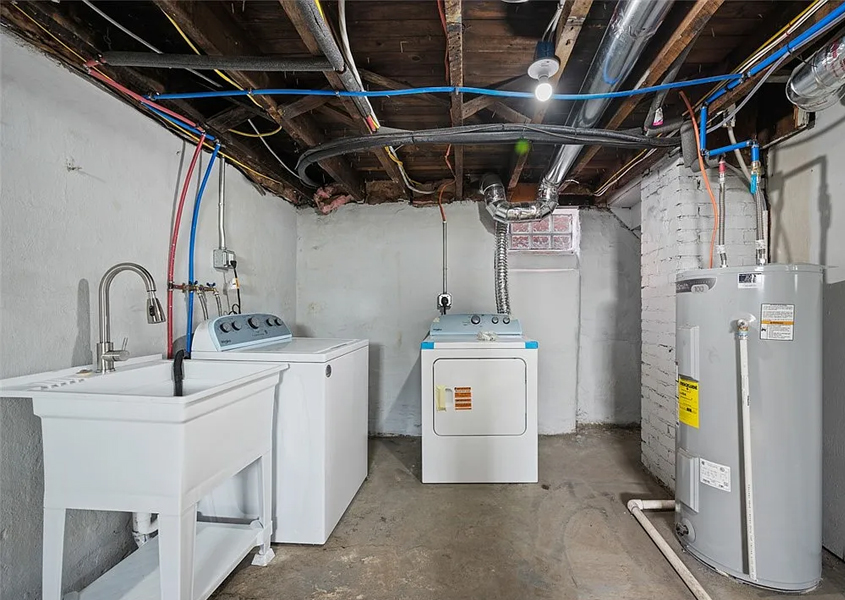
It depends on what’s already in the house. A lot of Pittsburgh homes still run on hot water radiators, and honestly, radiant heat is wonderfully comfortable. If the radiators are in good shape, replacing an old cast-iron boiler with a modern condensing boiler is often the smartest move. ENERGY STAR-certified gas boilers are rated at 90% efficiency or better.
Homes with existing ductwork have other options. Here’s how the common choices compare:
| Heating System | Best Fit | Watch Out For |
|---|---|---|
| Condensing boiler | Homes with radiators in good condition | Needs updated venting, not the old chimney |
| High-efficiency gas furnace | Homes with existing ductwork | Leaky basement ducts waste heat |
| Cold-climate heat pump (ducted) | Homes switching to electric with good ducts | Ducts must be sized correctly |
| Ductless mini-split | Homes without ducts, finished attics, additions | Placement of indoor units matters |
Here’s the part people skip. Tighten the house first, then size the equipment. A tighter home needs a smaller system, and oversized units short-cycle, wear out faster, and leave rooms feeling uneven.
Which Home Improvement Has the Highest Energy Savings Potential?
For most older homes, it’s air sealing combined with attic insulation. Not flashy, but hard to beat. According to the U.S. Energy Information Administration, space heating and air conditioning make up about 52% of household energy use. When half your energy goes to heating and cooling, stopping the leaks gives you the biggest return.
I get it. New windows feel like a bigger upgrade, and you can see them. But dollar for dollar, the attic almost always wins. Start at the top of the house and work your way down.
Windows: Repair, Replace, or Leave Them Alone?
Windows do matter. The Department of Energy says heat gain and loss through windows accounts for 25% to 30% of residential heating and cooling energy use. Still, replacing every original window isn’t always the answer.
Old wood windows with good storm windows can perform surprisingly well. Repairing them and adding tight-fitting storms often costs far less than full replacement. If the frames are rotted, though, replacement makes sense. And if you live in one of Pittsburgh’s historic districts, check whether exterior changes need approval before you order anything.
What Wastes the Most Electricity in a House?
Heating and cooling top the list, especially electric resistance heat like space heaters and baseboard units. Water heating comes next. After that, it’s appliances, lighting, and electronics that sip power all day even when they’re “off.”
During a remodel, a few upgrades make a real dent:
- A heat pump water heater in the basement.
- LED lighting throughout, especially in recessed fixtures.
- ENERGY STAR appliances in a new kitchen or laundry room.
- A smart thermostat that learns your schedule.
Here’s something we find all the time. Bathroom exhaust fans in older homes often vent straight into the attic instead of outside. That dumps warm, wet air right where you don’t want it. Fixing it during a remodel costs very little.
Plan the Order of Work Before Demo Day
Sequence is everything. Doing the steps out of order can mean paying twice for the same wall. Here’s the order we typically follow:
- Energy audit and blower door test
- Electrical updates, including knob-and-tube removal
- Air sealing
- Insulation
- Heating and cooling sizing and installation
- Drywall, trim, and finishes
Don’t forget fresh air. A tighter house needs planned ventilation, and an energy recovery ventilator can bring in outdoor air without throwing away your heat. If you’re planning to stay in your home for decades, it’s also smart to think about accessibility at the same time. Our guide on Aging-in-Place Remodeling Ideas for Pittsburgh Homes pairs well with efficiency upgrades.
Final Thoughts
An old Pittsburgh house doesn’t have to be a drafty money pit. With the right order of work, it can be comfortable, efficient, and still full of the character you fell in love with. The key is using the remodel as your window of opportunity. If you’re weighing your options, a team experienced in Pittsburgh home remodeling can help you decide where your money works hardest.