The 30 rule in remodeling is a rule of thumb that ties how much you spend on a remodel to how much your home is worth, as a way to avoid spending more than the house can support. It is a quick gut check, not a plan, and we find it works much better as one question among several than as the deciding factor.
You will hear 30 rule remodeling advice in articles and in conversations between neighbors. This post explains what the rule is trying to do, where it falls short, and how we plan projects from a homeowner’s goals instead. If you are weighing a large project, our team handles whole home remodeling in Pittsburgh from design in our showroom to the finished build.
What the 30 Rule in Remodeling Is Trying to Do
The rule exists to answer one worry: is this more than the house can support? It links the size of a remodel budget to the value of the home, so a homeowner has a rough ceiling to think about before planning gets serious.
That instinct is reasonable. Nobody wants to build the most expensive kitchen on a street of modest houses, or pour money into a house they plan to sell soon. The rule gives people a starting point for that conversation.
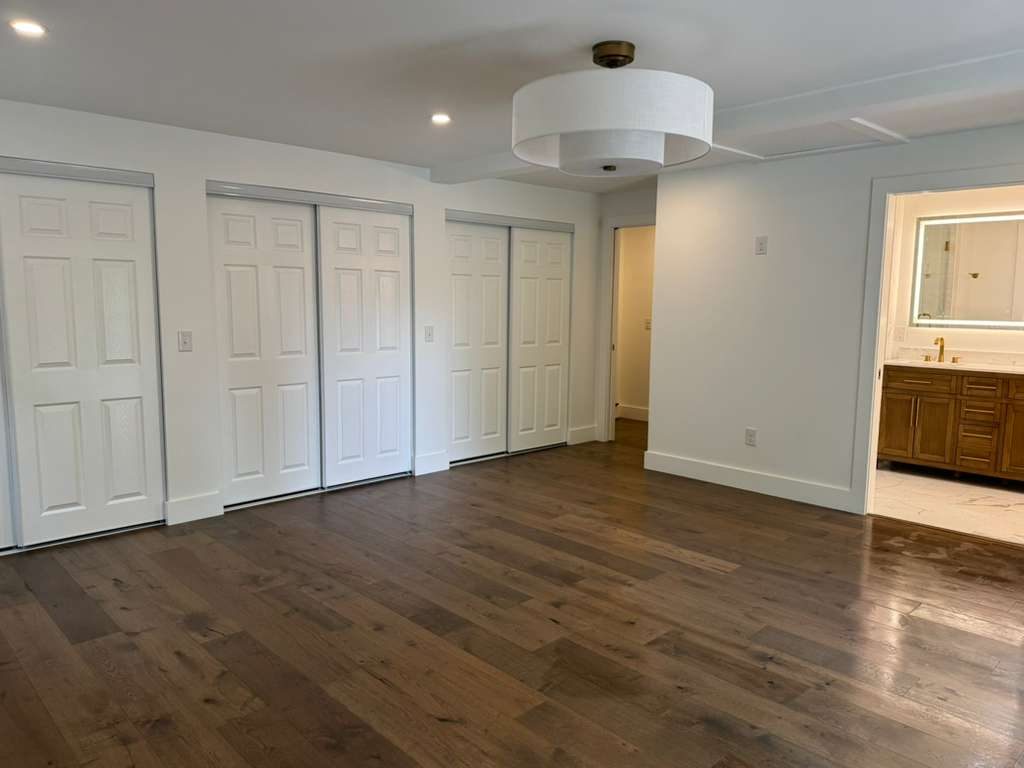
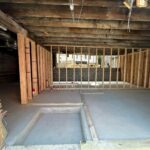
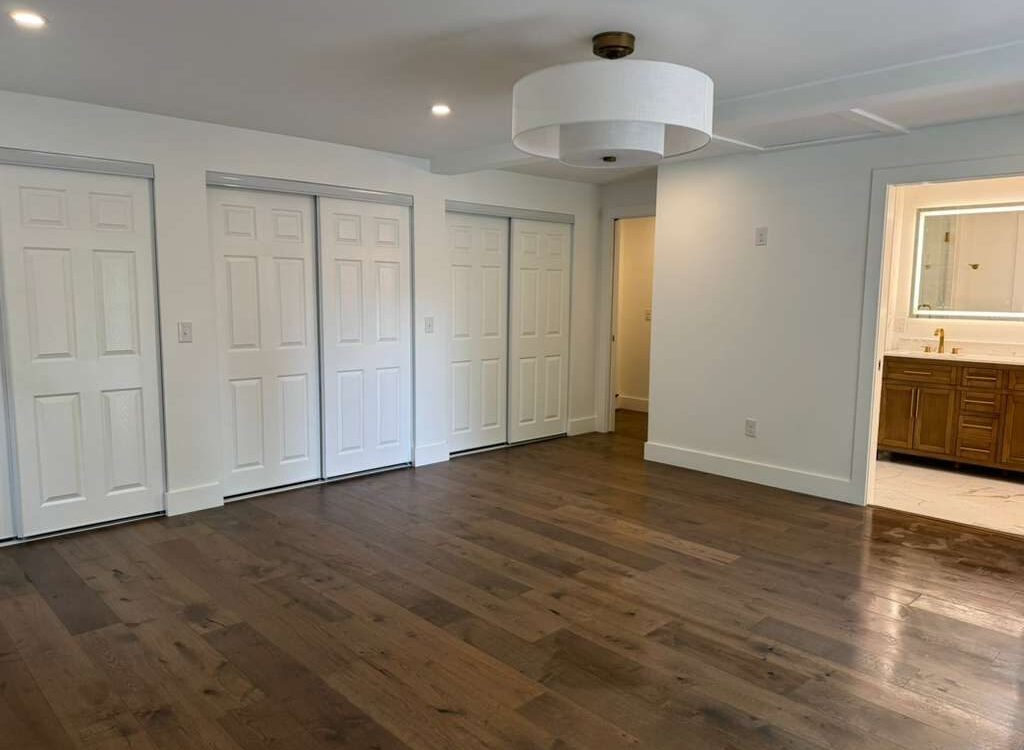
A finished room looks simple, but the scope behind it can vary a lot. New flooring, closets, lighting and trim each add to the work, and the right mix depends on how the room will be used.
That is why one rule tied to home value cannot tell you what a project like this should include.
A remodeled bedroom with a dark hardwood floor, white closet doors and a drum ceiling light.
Where the 30 Rule Falls Short
A rule of thumb treats every house and every family the same. Real projects are not like that. Here is where the 30 rule tends to break down:
It ignores how long you will stay
A family planning to stay for many years is remodeling for daily life, not a sale. The value of a better kitchen or an extra bathroom shows up every day.
It ignores the condition of the house
An older home may need wiring, plumbing or structural work before any finishes. That work is necessary whatever a rule says.
It ignores your goals
Aging in place, room for a growing family or a home office are needs, not luxuries. A rule based only on value cannot weigh them.
It treats every room the same
A kitchen or bath packs plumbing, electrical, cabinetry and tile into a small space. A bedroom refresh is a very different scope.
It cannot see the neighborhood
What fits one street may not fit the next. Local context matters more than a general rule.
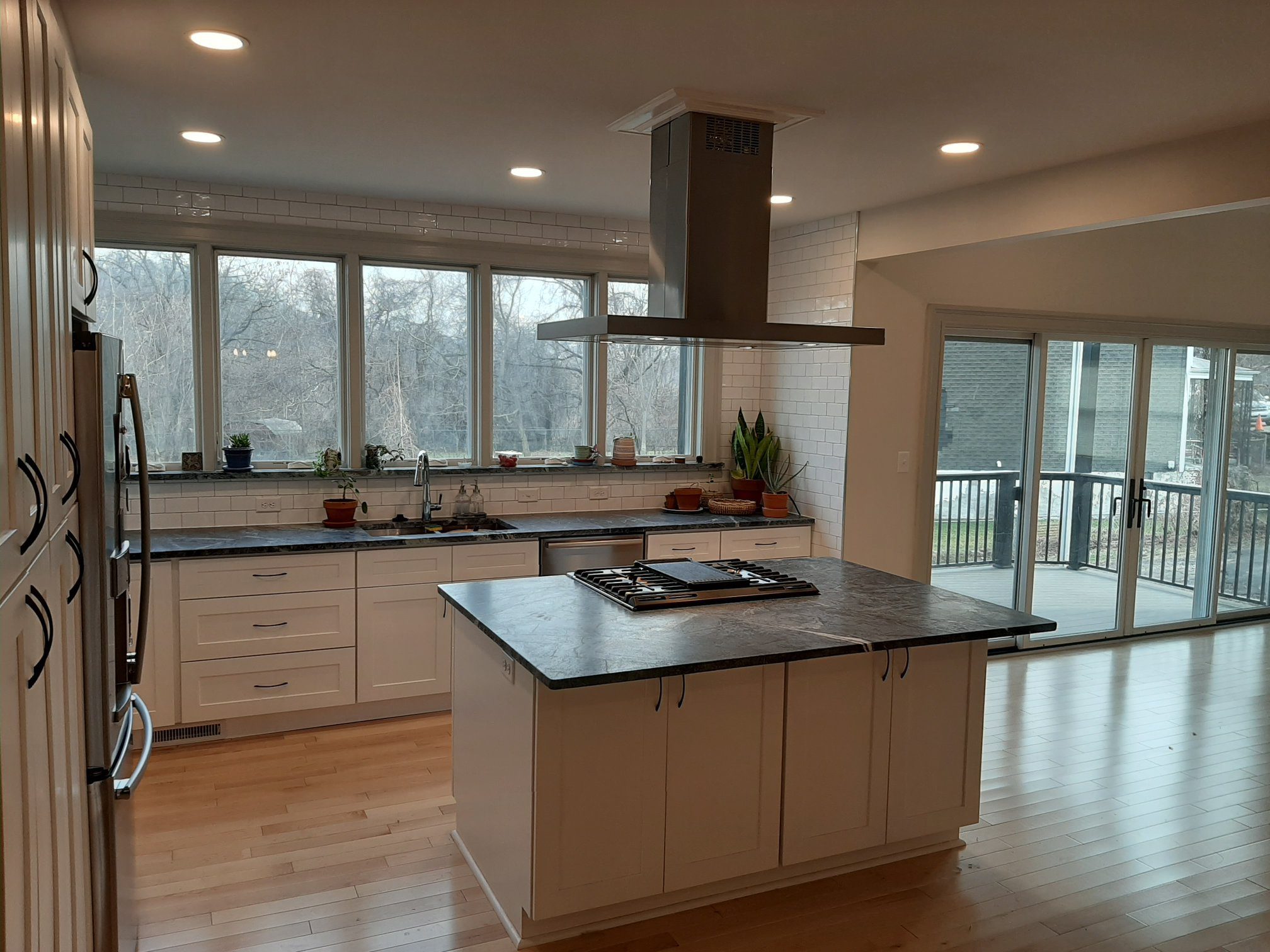
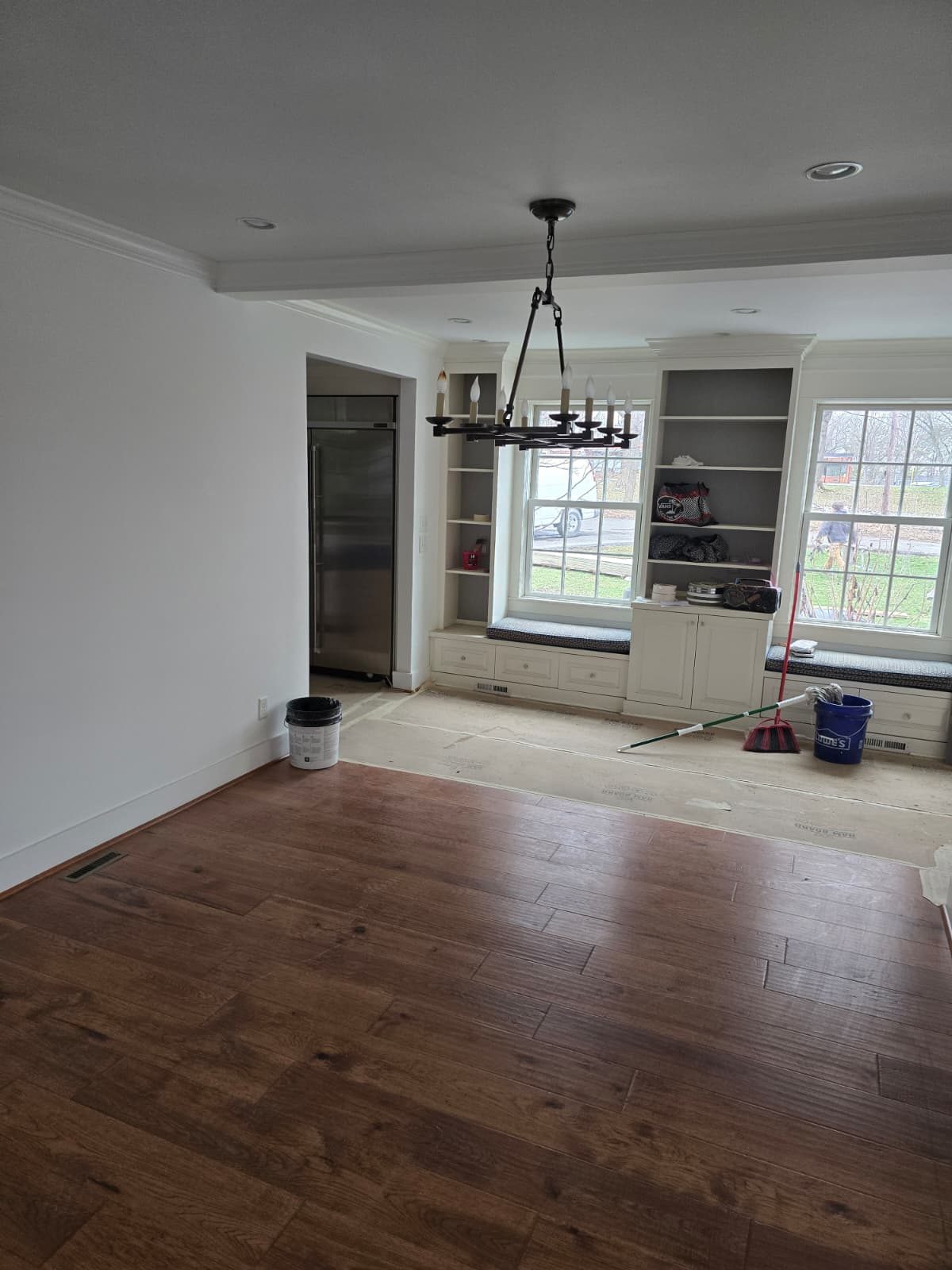
A dining room with new flooring, lighting and built in shelving. Whether a project like this makes sense depends on how the family uses the room and how long they plan to live there.
Those are the questions we start with during a consultation.
A renovated dining room with a hardwood floor, a black chandelier and built in shelves.
How We Plan Instead: Start With Goals
Rather than starting from a ceiling, we start from what you need the house to do. Then we shape the scope, selections and phasing to fit a budget you are comfortable with.
- What is not working today? A layout that fights you, a bathroom that leaks, a basement you never use
- How long do you plan to stay? This changes which upgrades make sense
- What has to be fixed first? Systems, structure and water problems come before finishes
- What can wait? Some rooms or upgrades can move to a later phase
- What budget feels comfortable? We build the plan to fit it, rather than fitting the plan to a formula
Our guide to setting a home remodel budget walks through each step of that conversation, including what to include and how to plan for hidden conditions.
Remodeling to Stay vs Remodeling to Sell
The 30 rule makes the most sense for people who expect to sell soon. If that is you, the focus shifts to fixing problems that turn buyers away and making the house feel cared for. Our post on what devalues a house the most explains the issues worth fixing first.
If you plan to stay, the math is different. You are remodeling for how your family lives, and the value of the project includes years of using a better space.
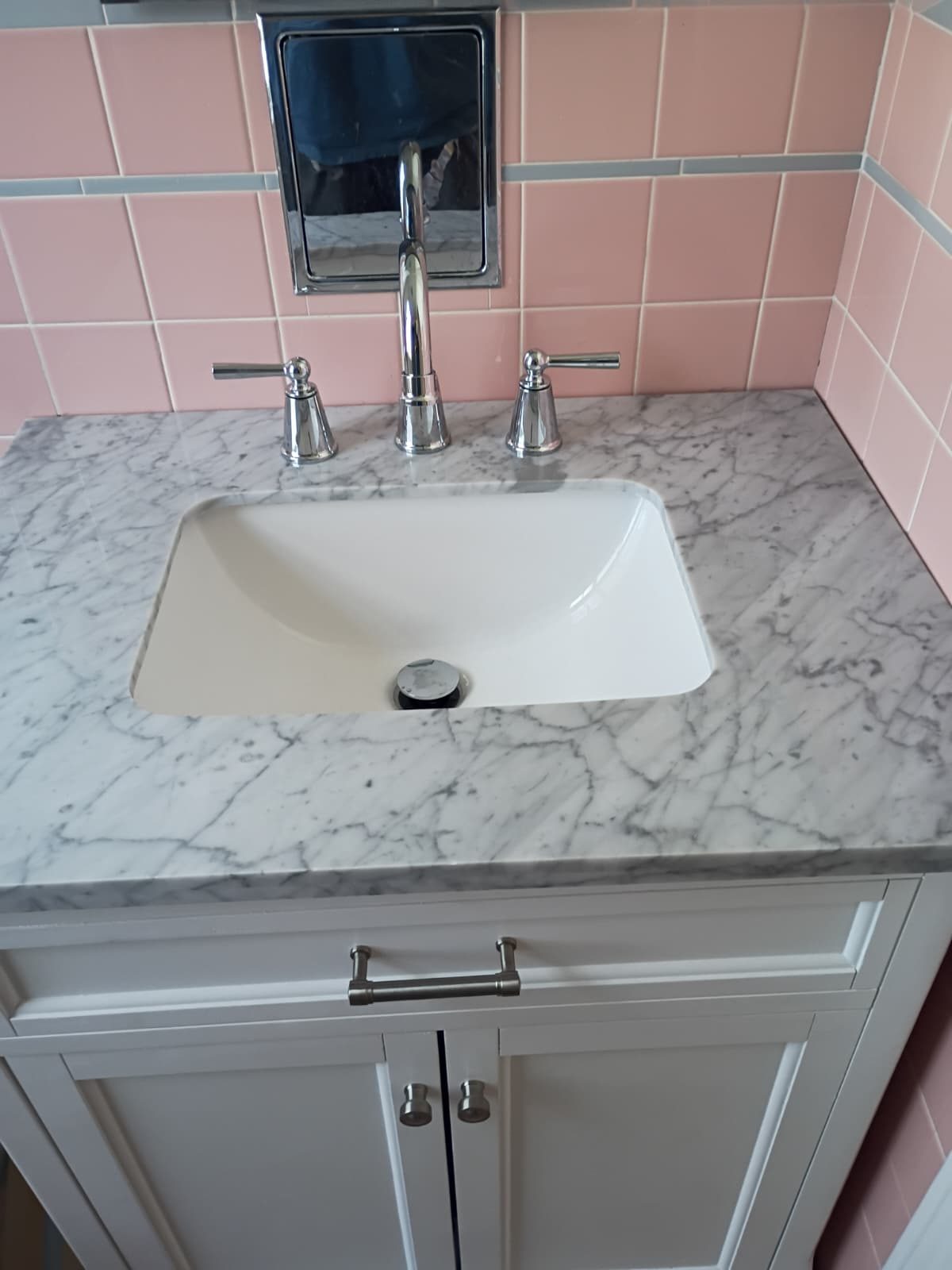
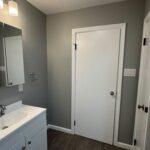
Some updates are small in scope and still make a big difference day to day, like a new vanity and faucet in an older bathroom.
Smaller, targeted projects are one way to improve a home without taking on a full remodel.
A white bathroom vanity with a marble top and chrome faucet against pink wall tile.
Other Questions to Ask Alongside the 30 Rule
If you like having a quick check, use the 30 rule as one of several questions instead of the only one:
Does the project fix a real problem?
Repairs and system updates protect the house and usually come first.
Will it change how you live?
More space, better flow or an extra bath can matter more than any formula.
Is it right for the house?
The style and scale should fit the home and its surroundings.
Can it be phased?
Splitting a project into stages can keep each step comfortable without giving up the long term plan.
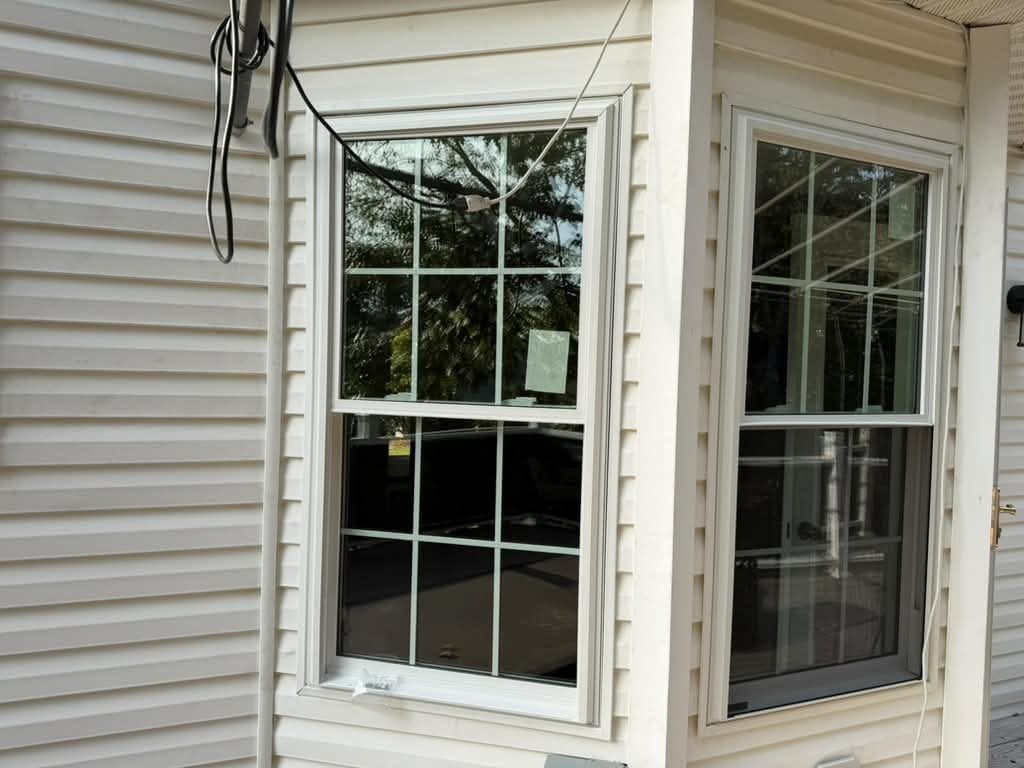
Exterior updates like new windows protect the house and improve comfort. They are a good example of work driven by the condition of the home rather than by a rule.
When a house needs this kind of work, it belongs near the top of the plan.
New white double hung windows with grids on a home with vinyl siding.
If you are still deciding whether to remodel at all, our post on whether it is cheaper to buy a house or remodel compares the two paths.
Turning Your Goals Into a Plan
Once the goals are clear, the plan comes together in a few steps. During a free in home consultation, we look at the rooms, talk about what is not working and note anything that could change the scope, like older wiring, water stains or framing that has settled over the years.
From there, the design happens in our showroom, where you can compare cabinets, tile, flooring and fixtures side by side. Seeing real materials makes it much easier to decide where to spend and where a simpler choice will look just as good. The scope and selections then become a written estimate you can review line by line.
This approach answers the same worry the 30 rule is trying to address, but with your house in front of us instead of a formula. If the plan grows past what feels comfortable, the goals list shows what can be scaled back or moved to a later phase without losing what matters most.
The short version: the 30 rule is a useful reminder not to overbuild, but it cannot see your house, your plans or your family. A good remodel plan starts with those.
Frequently Asked Questions
What is the 30 rule in remodeling?
It is a rule of thumb that ties a remodel budget to the value of the home, meant to help homeowners avoid overspending on a house. It is a starting point for thinking, not a plan.
Should you follow the 30 rule for your remodel?
Use it as one question among several. How long you plan to stay, the condition of the house and what you need from it matter more.
Does the 30 rule apply if you are not selling?
It matters less. If you plan to stay, you are remodeling for daily life, and the value includes years of using the improved space.
What should you do first if the budget is limited?
Fix problems with structure, water and systems first, then the rooms that affect daily life most. Phasing the rest can keep each step comfortable.
How do you know what a remodel should include?
Start with your goals and what is not working in the house today. A consultation helps turn those into a scope and a budget that fit.
Related reading
JL Home Builders has been remodeling Pittsburgh homes since 2010. If you want a plan built around your goals instead of a formula, schedule a free in home consultation.