If you have been staring at your outdated kitchen or cramped bathroom, you have probably asked yourself the same question most homeowners land on eventually. Should I renovate what I have, or just start fresh somewhere else? The answer depends on more than you might think. The buy vs renovate cost debate is not as simple as comparing two price tags. Your home’s condition, your local market, and your mortgage rate all play a role.
What the Numbers Actually Say About Remodeling vs. Buying
Let us start with the broad strokes. Per square foot, moderate updates to an existing home cost a fraction of what new construction does, and the gap widens with location and finish level. Spread across a typical 2,000-square-foot home, that difference is substantial.
But raw cost per square foot only tells part of the story. When you buy a new home, you are also paying closing costs, realtor commissions, moving expenses, and potentially a higher mortgage rate. When you remodel, those transactional costs disappear. That is why for many homeowners, the remodel or move comparison tips in favor of staying put, especially when the updates are moderate in scope.
Is It Cheaper to Buy a House or Remodel When Your Home Is Structurally Sound?
If your home has a solid foundation, a roof with years of life left, and a functioning HVAC system, remodeling is almost always more affordable. Cosmetic and functional upgrades like kitchen refreshes, bathroom renovations, and flooring replacements deliver high returns without the financial weight of buying new. You are building on what you already own.
Equity plays a big role here too. Many homeowners locked in mortgage rates under 5% during the last few years. Selling and buying at today’s rates could add hundreds to your monthly payment. Keeping a low-rate mortgage and investing in renovations often makes more financial sense.
When Buying a New Home Actually Saves You Money
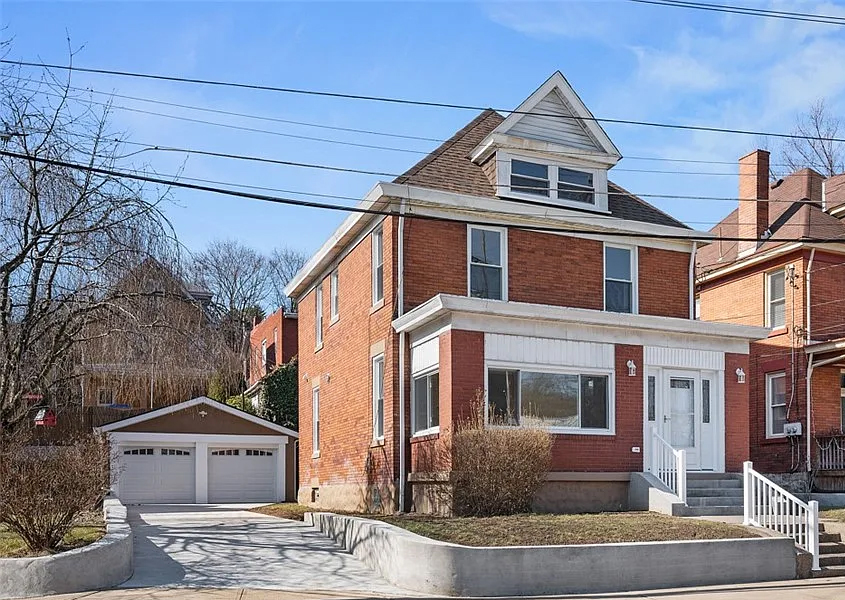
Remodeling is not always the winner. If your home needs a new roof, updated electrical wiring, a full plumbing overhaul, and foundation repair, those costs stack up fast. A whole-house renovation on an older property can climb to a level where the renovation vs new home equation starts to shift. You may find that buying a move-in-ready home at a comparable price gives you fewer headaches and a better long-term investment.
There is also the issue of over-improving. If a renovation would push your home well past what comparable houses on your street sell for, you will never recoup that investment. Moving to a neighborhood that matches your budget and lifestyle makes more financial sense.
Remodeling Costs vs. Buying Costs: A Side-by-Side Look
Sometimes it helps to see the two paths side by side.
| Cost Factor | Remodeling | Buying New |
|---|---|---|
| Cost per Sq Ft | Lower for moderate updates | Higher, rises with finishes |
| Closing Costs | None | Paid on the purchase |
| Realtor Fees | None | Percentage of your sale price |
| Moving Expenses | None | Movers, storage, time off |
| Mortgage Impact | Keep current rate | New rate (likely higher) |
| Timeline | Weeks to months | 30 – 90 day close + move |
| Hidden Surprises | Possible behind walls | Fewer with inspections |
The specifics vary by house and by market, but the table shows where your dollars go in each scenario.
When Your Home Is Structurally Sound: Remodeling Costs vs. Buying New
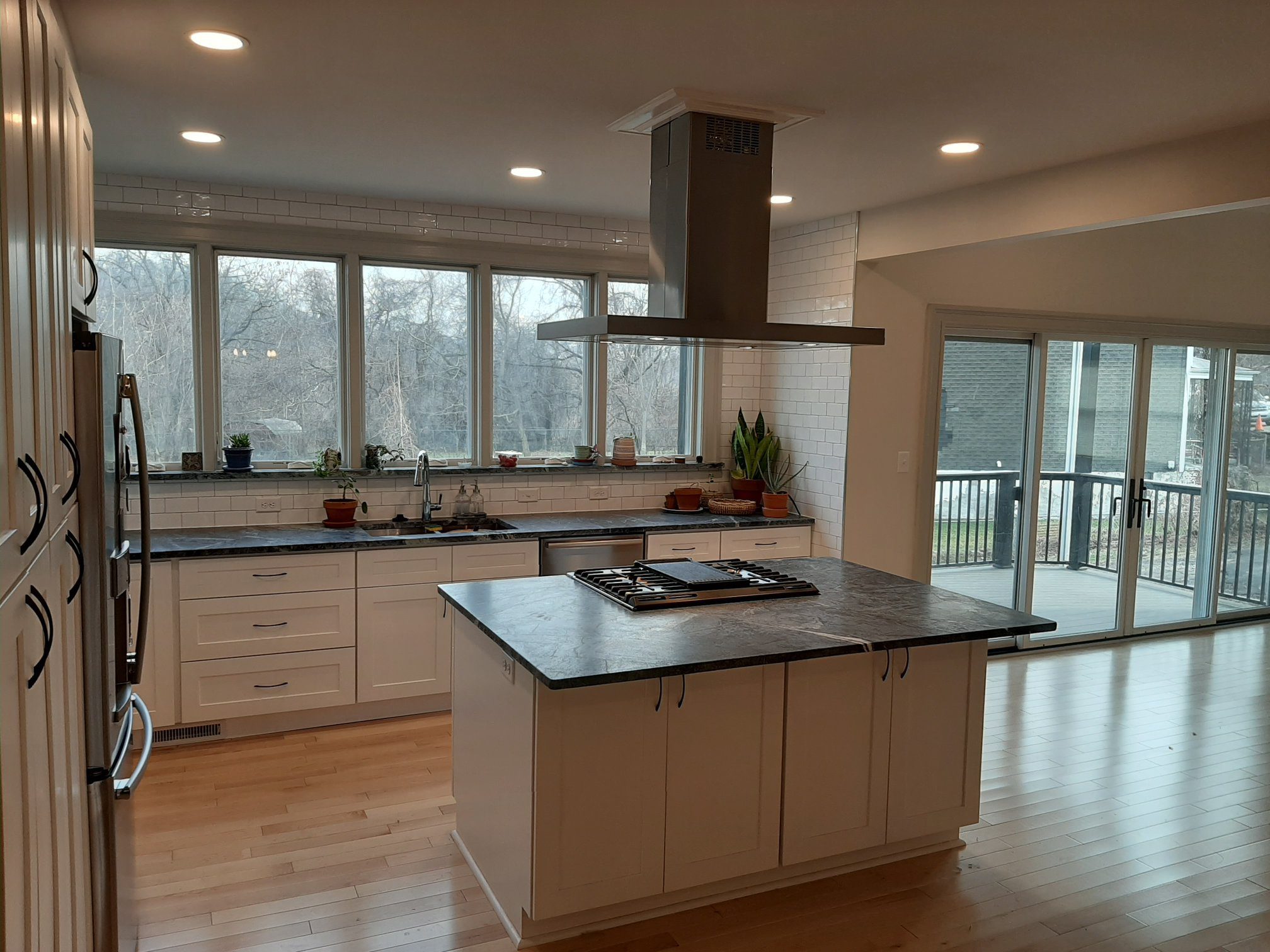
Kitchens and bathrooms are where remodeling consistently wins. These rooms deliver some of the highest returns on investment of any home improvement project. A mid-range kitchen remodel is a meaningful investment, and bathrooms follow a similar pattern, but both return more of their cost than almost any other project. These updates make a noticeable difference in how your home looks and functions daily.
We have seen homeowners transform a dated galley kitchen into a modern, open space for less than the closing costs alone on a new home. If your home only needs a few targeted upgrades, a buy vs renovate cost analysis will almost always favor remodeling.
The Hidden Costs Most Homeowners Overlook
Whether you remodel or buy, there are costs that do not show up on the initial estimate. With remodeling, older homes often hide surprises behind the walls. Outdated wiring, water damage, or asbestos can add thousands to your budget once demolition begins. Homes built before 1980 can average 15 to 25 percent higher renovation costs due to these hidden system needs.
On the buying side, hidden costs are just as real. Home inspections, appraisals, title insurance, and potential bidding wars all add up. If you are selling your current home simultaneously, you are juggling two sets of transactional costs. Building a contingency budget of 10 to 20 percent is smart regardless of which path you choose.
How Location and Lifestyle Factor Into the Decision
Your neighborhood plays a bigger role in this decision than most people realize. If you love where you live and comparable homes are priced far above what you paid, remodeling keeps you in a location you value without taking on an inflated mortgage. A remodel or move comparison should always include what you would lose by leaving, not just what you would gain.
On the other hand, if your neighborhood no longer fits your needs due to schools, commute, or simply outgrowing the space, no amount of remodeling changes your address. As experts noted in a CBS News analysis on renovating versus buying, the best path depends heavily on personal circumstances and local market conditions. Sometimes the right move is literally a move.
Choosing the Right Path Forward
If you have decided that remodeling makes sense, the next step matters just as much as the decision itself. The contractor you hire can make or break the experience. Poor planning, vague contracts, and unreliable timelines turn what should be an exciting upgrade into a stressful ordeal. Before signing anything, take the time to learn How to Choose the Right Contractor for Your Pittsburgh Remodel so you are set up for success from the start.
A good contractor will walk you through realistic budgets, help you prioritize high-return projects, and keep your renovation on schedule. The renovation vs new home decision is only the beginning. Execution is everything.
Which One Makes Sense for You
For most homeowners dealing with minor to moderate upgrades, remodeling is the more affordable option. You avoid transactional costs, keep your mortgage rate, and build equity in a home you already know. But when major systems need replacing or the home no longer fits your life, buying new can be the smarter long-term investment. Run the numbers for your specific situation, consult with trusted professionals, and make the choice that aligns with your budget and goals.