What should be included in a home remodeling budget? A complete budget covers labor, materials, design and permit fees, a contingency fund of 10 to 20 percent, and the everyday costs of living through construction. If a line item isn’t written down before demolition starts, it usually shows up later as a surprise.
That last part is where most people get burned. We’ve sat at plenty of kitchen tables around Pittsburgh where a homeowner slid a budget across to us that covered cabinets and countertops beautifully. It had nothing set aside for the wiring behind the walls. This guide walks through every piece of a real budget, so your plan matches what your project will actually cost.
A Line-by-Line Look at the Budget
A good budget isn’t one big number. It’s more like a map, where every dollar has a job. When we build a home remodeling budget Pittsburgh homeowners can trust, we sort costs into three groups before anyone picks a paint color.
Hard Costs

These are the physical pieces of the job. Demolition, framing, plumbing, electrical, HVAC, drywall, flooring, cabinets, fixtures, and the labor to install all of it. Hard costs make up the biggest share of any budget, and they’re where finish choices swing the total the most. Two tiles can look nearly identical in a showroom and be priced three times apart.
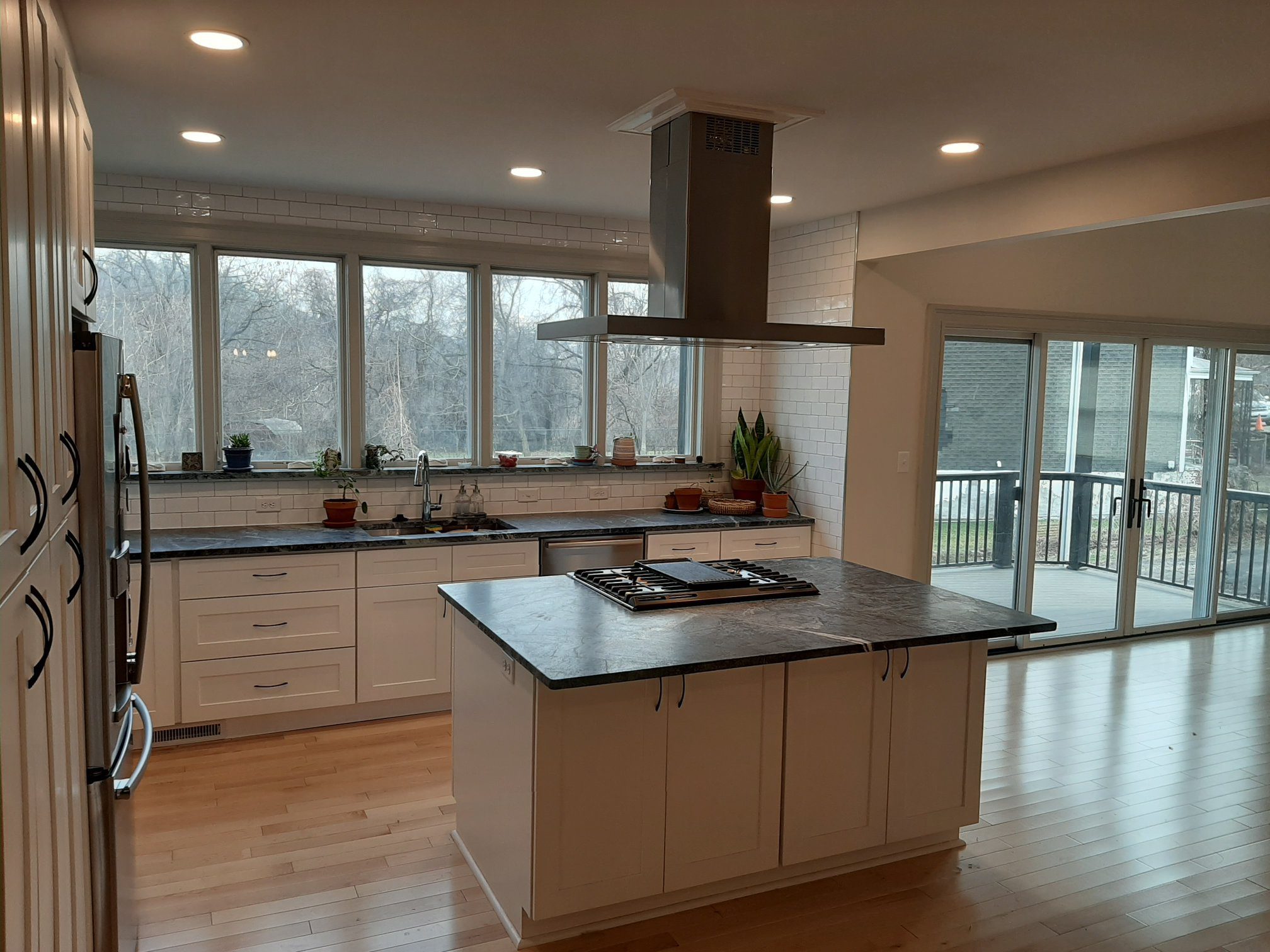
Cabinets, counters, appliances, flooring, and the labor to install them all sit under hard costs, the biggest share of any budget.
Soft Costs
Soft costs are the things you can’t touch but still pay for. Think design fees, engineering, permits, inspections, and dumpster rental. Homeowners skip these more than anything else because they don’t feel like “the remodel.” Leave them out, though, and your project can stall at the permit office.
Living Costs
Nobody puts takeout on a renovation spreadsheet. They should. When a kitchen is torn out for eight weeks, food costs climb fast, and whole-home projects may mean a short-term rental or a storage unit. One family we worked with in Brookline planned to “just make do” with a microwave in the dining room. By week three, eating out had its own line in their budget.
| Budget Category | What It Covers | Typical Share |
|---|---|---|
| Construction | Labor, materials, fixtures, finishes | About 70% |
| Design and fees | Design, engineering, permits, inspections | About 10% |
| Contingency | Hidden damage, code upgrades, surprises | 10% to 20% |
| Living and extras | Temporary housing, meals out, furnishings | About 10% |
What Is the 70-10-10-10 Budget Rule?
The 70-10-10-10 rule splits a remodeling budget into four buckets. Roughly 70 percent goes to construction, 10 percent to design and permits, 10 percent to contingency, and 10 percent to furnishings and living costs during the project. It isn’t a law. It’s a starting frame that keeps you from pouring every dollar into finishes.
We like it because it forces the uncomfortable conversation early. If the construction line alone is already eating most of your total, the rule tells you right away that something has to give. Better to learn that at the design stage than halfway through framing.
What Is the Most Expensive Part of a Renovation?
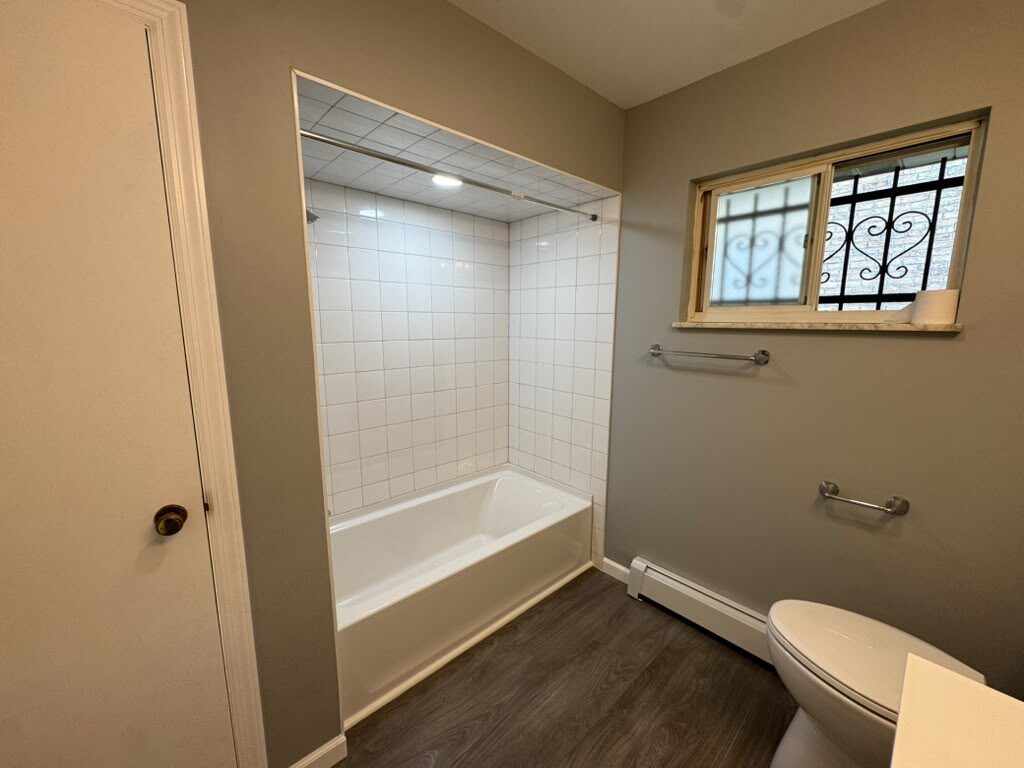
Labor and the systems hidden behind your walls are usually the most expensive part of a renovation. Kitchens and bathrooms cost the most per square foot because they pack plumbing, electrical, ventilation, cabinetry, and tile into small spaces. Moving a sink six feet sounds simple. It can mean new drain lines, new venting, and opening the ceiling in the room below.
A finished tub surround. Bathrooms pack plumbing, electrical, ventilation, and tile into a small space, which is why they cost the most per square foot.
Structural changes come next. Taking out a load-bearing wall for an open floor plan requires an engineer, a beam, temporary supports, and permits. Homeowners are often surprised that the invisible work costs more than the pretty stuff. That’s completely normal, and it’s exactly why it deserves its own line in your budget.
Why Older Pittsburgh Homes Need a Bigger Cushion
Pittsburgh’s housing is old, and that changes the math. Nearly half of the city’s housing units were built before 1940, and recent Redfin data ranks Pittsburgh among the U.S. cities with the oldest homes. Those houses have fantastic bones. They also hide knob-and-tube wiring, clay sewer lines, horsehair plaster, and lead paint.
It is common to open a bathroom wall in a Dormont foursquare expecting a routine vanity swap and find a cast iron drain rusted nearly through. With a contingency in place, that is a rough afternoon instead of a rough month. For homes built before 1940, we recommend setting aside 10 to 20 percent. Federal EPA rules also require lead-safe work practices in homes built before 1978, which adds time and cost you should plan for.
What Is a Realistic Budget for Home Renovation?
A realistic budget depends on your scope, your home’s age, and your finish level. A helpful ceiling is the 30 percent rule, which suggests keeping total renovation spending at or below about 30 percent of your home’s current market value. Go past that, and you risk putting in more than you’ll ever get back.
The Harvard Joint Center for Housing Studies projects American homeowners will spend about $518 billion on improvements and repairs by the end of 2026. To find your own number, get detailed line-item bids and compare them against your priorities. Better yet, have a trusted Pittsburgh remodeling contractor walk the house before you commit. A number built from a walkthrough beats a number from a website every time.
Is a Large Budget Always the Right Budget?
A large budget can cover a full kitchen, multiple bathrooms, new flooring, updated mechanical systems, and some layout changes. It gets tight with very large homes, additions, major structural repairs, or high-end custom finishes in every room.
The bigger question is whether you should spend it all. If a renovation would push your home well past what similar homes on your street sell for, it will likely cost more than it returns. That’s perfectly fine if this is your forever home. Just go in knowing you’re buying comfort and function, not profit.
What Are the Biggest Home Renovation Mistakes?
The biggest home renovation mistakes almost always trace back to budgeting and planning. After years of cleaning up other people’s projects, these are the ones we see most often:
- Skipping the contingency. Every older home hides something, and without a cushion, one surprise can freeze the whole job.
- Changing your mind mid-project. Change orders cost more than original decisions because they add labor, reorder materials, and shuffle the schedule.
- Choosing the lowest bid without comparing scope. A cheap bid often leaves things out, and those items come back as extras later.
- Forgetting soft and living costs. Permits, design, and months of eating out add up quickly.
- Buying materials before plans are final. That beautiful vanity doesn’t help much if the plumbing ends up on the other wall.
Good renovation planning fixes most of these before they happen. We tell every client the same thing. Decisions are cheap on paper and expensive once the walls are open.
How to Protect Your Budget Once Work Begins
A budget only works if your contract backs it up. Your agreement should spell out the scope, payment schedule, finish allowances, and exactly how change orders get priced and approved. If you’re not sure what that should look like, our guide on What Should Be Included in a Home Renovation Contract? walks through it step by step.
Once work starts, check your numbers weekly. A simple spreadsheet comparing budgeted costs to actual costs keeps small overages from snowballing. Ask your contractor to photograph anything unexpected behind the walls before it gets closed up. Clear records make every conversation about money easier.
Start With a Number You Can Live With
Remodeling should make your home better without keeping you up at night. When you know what should be included in a home remodeling budget, you can plan for the surprises instead of reacting to them. Write down every cost, protect your contingency, and make your big decisions early. If you’d like help building a budget that fits your home and your goals, our team is always glad to talk it through.