The best kitchen flooring options for most homes are porcelain or ceramic tile, luxury vinyl plank, and hardwood or engineered wood. Each one handles water, dropped pans and daily traffic differently, so the right choice depends on how your household uses the kitchen and what the rest of the first floor looks like.
The kitchen floor takes more abuse than any other floor in the house. Spills, grease, boots coming in from the back door, chairs sliding and the occasional dropped glass all land there. Below we compare the kitchen flooring options we install most, what each one is good at and where each one struggles. If you are planning a kitchen remodel in Pittsburgh, flooring is one of the first decisions we work through, because it affects cabinet install, transitions to the next room and how the whole space feels.
Comparing the Main Kitchen Flooring Options
Porcelain tile
Very hard, very water resistant and available in looks from stone to wood to bold patterns. It is cold and hard underfoot, and dropped dishes rarely survive.
Ceramic tile
Similar look to porcelain and a wide choice of colors and shapes. It is a little softer and more porous than porcelain, so it suits lighter traffic.
Luxury vinyl plank
Water resistant, warmer and softer than tile, and easy on dropped dishes. Quality varies a lot between products, and heavy appliances can dent cheaper planks.
Hardwood and engineered wood
Warm and classic, and it can flow straight from the dining room into the kitchen. It needs prompt cleanup of spills and can dent and scratch.
There is no single winner. A busy family with a dog and a back door that opens into the kitchen will weigh things very differently than a couple who rarely cooks.
Tile: The Toughest Kitchen Flooring Option

Porcelain tile is the workhorse of kitchen floors. It shrugs off water, does not mind muddy boots and is very hard to scratch. Large format tiles mean fewer grout lines to clean, and marble look and stone look porcelain give you the high end look without the upkeep of real stone.
The tradeoffs are comfort and breakage. Tile is hard on feet and knees during long cooking sessions, and it is not forgiving if you drop a glass. A good mat in front of the sink helps with both.
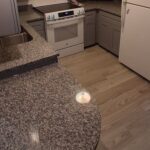
Marble look tile floor next to a tall natural wood pantry cabinet and a stainless refrigerator.
Grout color matters more than most people expect. A grout close to the tile color hides dirt and makes the floor feel calmer. A contrasting grout shows off the tile shape but also shows every stain.
Patterned Tile and Bold Floors
Patterned cement look tile has become a popular way to add personality to a kitchen, especially in older homes where it fits the character of the house. It works best when the cabinets and counters are simple, so the floor is the one feature that stands out.
- Keep the rest of the palette quiet when the floor is busy.
- Plan the layout so pattern lines run straight with the main cabinet run.
- Order extra tile, since patterned tile can be hard to match later.
- Ask about sealing, since some decorative tiles need it.
Luxury Vinyl Plank: Water Resistant and Easy on Feet

Luxury vinyl plank is one of the most requested kitchen flooring options we see. It looks like wood, stands up well to spills, and feels softer and warmer than tile. It is also kinder to dropped dishes.
The quality range is wide. Thicker wear layers resist scratches better, and a rigid core plank handles uneven subfloors better than thin flexible products. We help you compare samples in our showroom so you can feel the difference instead of guessing from a photo.
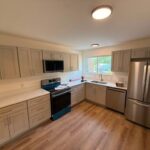
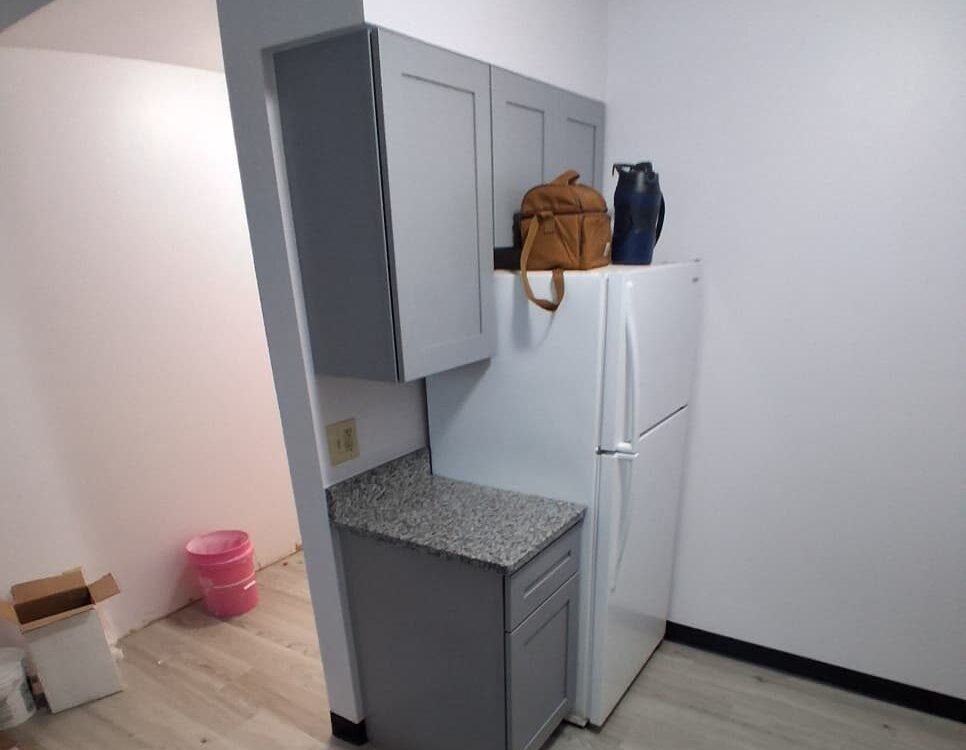
Gray wood look vinyl plank floor in a small kitchen with gray shaker cabinets and a white refrigerator.
Vinyl plank is a good fit if you want one continuous floor through the kitchen, dining room and hall, which helps an open floor plan feel connected. If you are thinking about opening walls, our kitchen layout ideas guide is a good next read.
Hardwood and Engineered Wood in the Kitchen
Many older homes around Pittsburgh have original hardwood in the dining room, and homeowners often want the kitchen to match. Wood brings warmth that tile and vinyl only imitate, and it can often be refinished later.
Wood does not like standing water. Spills need to be wiped up quickly, and a leak under the sink or dishwasher can cause real damage. Engineered wood, with a real wood top layer over a stable core, handles changes in humidity better than solid wood in many kitchens.
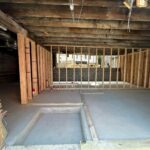
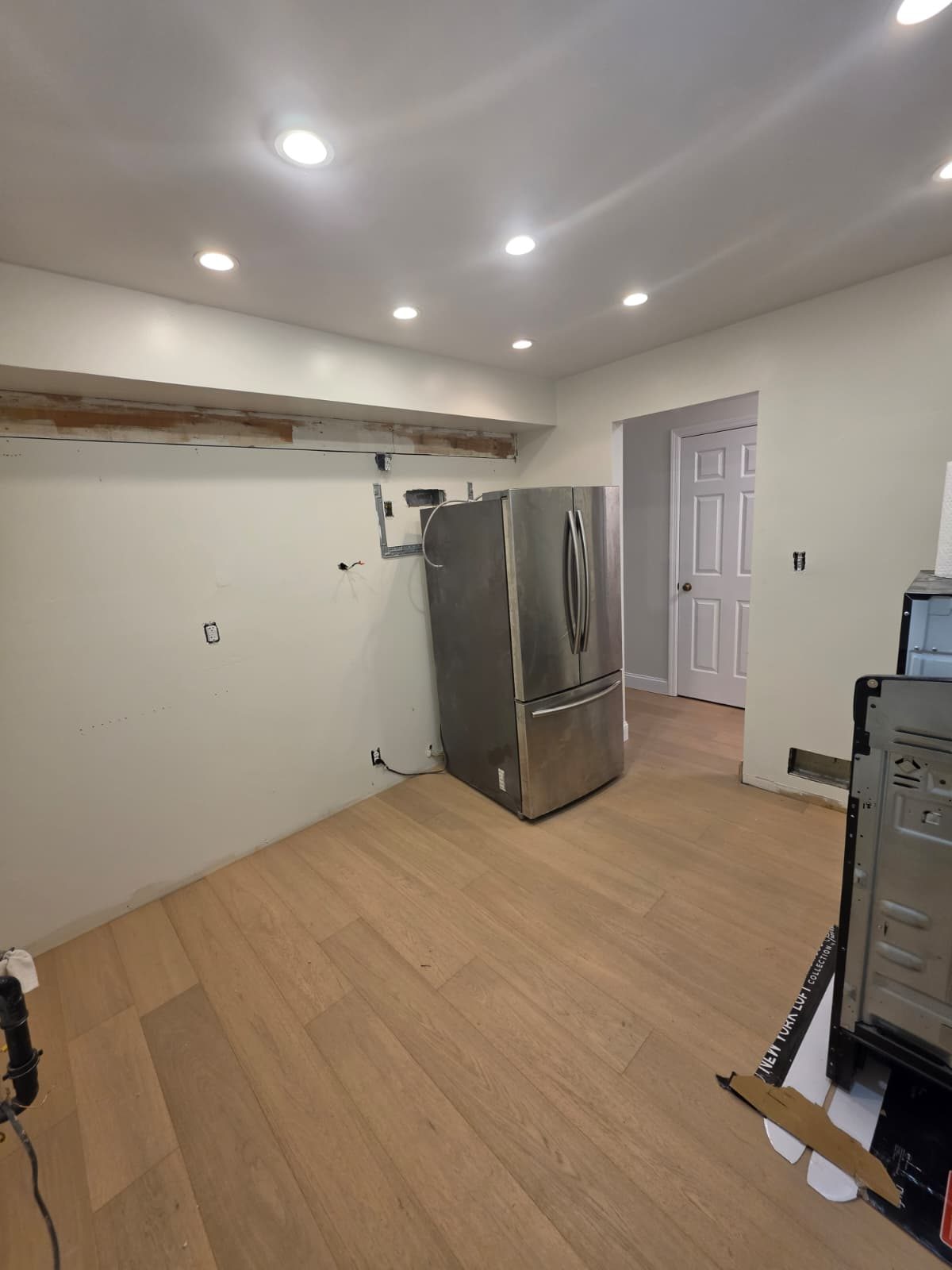
A light oak plank floor and recessed lights in a kitchen before the cabinets go in.
One question we always settle early: does the floor go under the cabinets or stop at them? Running the floor under the cabinets makes future layout changes easier. Stopping at the cabinets can save material. It depends on the product and the plan, and we decide it with you before the floor goes down.
How to Choose the Right Kitchen Floor for Your Home
Work through these questions and the right option usually becomes clear.
Who uses the kitchen?
Kids, pets and a back door into the kitchen point toward tile or a quality vinyl plank. A quieter household has more freedom to choose wood.
What is next door?
If the kitchen opens to a dining room with hardwood, matching or complementing that floor matters. A clean transition keeps the house feeling connected.
How do you cook?
Long hours on your feet favor softer surfaces. Heavy cooks who spill often favor tile.
What is under the floor?
Old subfloors in older homes are not always flat or solid. We check what is there, because the subfloor affects which products will last.
Color ties it all together. Lighter floors make a small kitchen feel bigger and hide dust. Darker floors hide stains but show crumbs and pet hair. Mid tone floors are the most forgiving. Bring a cabinet door sample or a countertop sample when you look at flooring so you can see them together.
Flooring Mistakes to Avoid
- Picking a floor from a small sample under store lighting. Look at large samples in your own kitchen light.
- Ignoring the transition to the next room, which can leave an awkward lip or a mismatched color line.
- Choosing the thinnest vinyl plank to save money in a high traffic kitchen.
- Using a high gloss finish where it will show every scratch and footprint.
For more on avoiding costly choices across the whole project, see what not to do in a kitchen remodel.
Frequently Asked Questions
What is the best flooring for a kitchen?
For most families, porcelain tile or a quality luxury vinyl plank. Tile is the most durable and water resistant. Vinyl plank is softer and warmer underfoot. Wood works well in households that keep up with spills.
Is luxury vinyl plank good for kitchens?
Yes, it is one of the most popular kitchen flooring options because it resists water and is comfortable underfoot. Choose a product with a thicker wear layer for a busy kitchen.
Can you put hardwood in a kitchen?
You can, and many homeowners do so the kitchen matches the rest of the first floor. Wipe spills quickly and watch for leaks under the sink and dishwasher.
Should kitchen flooring match the rest of the house?
It does not have to match, but it should work with the floors it meets. In open floor plans a single continuous floor usually looks best.
Does flooring go in before or after kitchen cabinets?
It depends on the product and the plan. Many floors go in first so they run under the cabinets, while some floating floors are installed after. We decide this with you during design.
Related reading
Want to see kitchen flooring options side by side? Visit our showroom, where every JL Home Builders kitchen is designed, and our own crew handles the install. Book your free in home consultation and we will help you pick a floor that fits how you live.