The layout of your kitchen fundamentally determines how well it functions for your cooking style, family size, and daily routines. While finishes, fixtures, and appliances get most of the attention during kitchen planning, the underlying layout affects efficiency, workflow, and how comfortably multiple people can work in the space simultaneously. For Pittsburgh homeowners renovating kitchens, layout decisions must balance ideal functionality with the realities of existing space, structural constraints, and budget considerations. At JL Home Builders, we help homeowners evaluate kitchen layout options and design configurations that maximize their specific spaces while supporting how they actually use their kitchens.
Understanding the Kitchen Work Triangle
The classic kitchen work triangle concept positions the sink, stove, and refrigerator in a triangular arrangement with each leg measuring between four and nine feet. This configuration minimizes walking distance between the three most-used areas while preventing them from being so close that the space feels cramped. The work triangle remains a useful planning tool, though modern kitchens with multiple cooks, additional prep areas, and more appliances often require more complex planning than this simple concept addresses.
In any layout, consider the relationship between these key work zones. You want efficient movement between refrigerator and prep area, between prep area and cooking surface, and between cooking surface and serving area. Avoid positioning these elements so far apart that cooking becomes a marathon or so close together that you can’t work comfortably. Also consider traffic flow through the kitchen; major pathways shouldn’t cut through the work triangle or active cooking areas.
Modern kitchens often include secondary work zones beyond the basic triangle. Coffee stations, baking areas, homework spaces, or bar areas create dedicated zones for specific activities. These don’t replace the core work triangle but supplement it for homes where kitchens serve multiple purposes beyond basic meal preparation.
Galley Kitchens: Efficiency in Narrow Spaces
Galley kitchens feature two parallel runs of cabinets and appliances with a walkway between them. This layout works well in narrow spaces common in Pittsburgh row houses, older homes, and apartments. Galley kitchens can be highly efficient with everything within a few steps and clear workflow from one side to the other. The compact nature makes them economical to build since all plumbing and electrical runs along two walls without long spans between elements.
The ideal galley width measures between four and six feet between counters. Narrower feels cramped and makes accessing cabinets difficult, while wider requires unnecessary walking between sides. If your galley opens at both ends, it creates a through-traffic pattern where people walk through your work area. This interrupts cooking and creates safety concerns with hot pots or sharp knives. Single-end galleys avoid through-traffic but can feel enclosed.
Galley kitchens face challenges when multiple people want to cook simultaneously, as the narrow space doesn’t accommodate more than one or two people comfortably. Storage can be limited compared to larger layouts since you only have two wall runs. The enclosed feeling bothers some people who prefer more open kitchen concepts. However, for single cooks or couples who don’t need extensive storage, galleys provide excellent efficiency in minimal space.
L-Shaped Layouts: Versatility and Openness
L-shaped kitchens position cabinets and appliances along two perpendicular walls, creating an open layout that works well in many spaces. This configuration naturally creates a work triangle in the corner area while leaving one or two sides open for traffic flow or connection to adjacent rooms. L-shaped layouts work in various room sizes from compact to spacious and adapt well to open concept designs where the kitchen flows into dining or living areas.
The open side of an L-shaped kitchen often accommodates a dining table or island, making efficient use of space and creating natural gathering areas. This layout provides good counter and storage space along two walls while feeling more open than enclosed galley configurations. Multiple people can work together more easily with the open design allowing movement around rather than past each other.
Corner cabinets in L-shaped kitchens present storage challenges since standard cabinets make corner areas hard to access. Lazy Susans, pull-out shelves, or specialized corner cabinet systems improve access but add cost. Consider how you’ll handle the corner to avoid wasting valuable storage space. If possible, position appliances or windows in corners to eliminate corner cabinet issues entirely.
U-Shaped Kitchens: Maximum Storage and Counter Space
U-shaped kitchens surround the cook with cabinets, counters, and appliances on three walls, creating enclosed work areas with maximum storage and workspace. This layout provides excellent work triangles since all three primary appliances fit naturally along different walls. The enclosed nature contains cooking activity and prevents through-traffic, allowing cooks to work without interruption.
U-shaped kitchens require adequate space to work well. The open center area between the three runs should measure at least five feet to allow comfortable movement and cabinet access. Smaller dimensions feel cramped and create conflicts when multiple people work simultaneously. Larger spaces of seven or eight feet between cabinets waste steps between work areas and reduce efficiency.
The enclosed design can feel confining, especially in kitchens without windows or openings to adjacent spaces. One approach removes upper cabinets from one wall or opens one side partially to an adjacent room, maintaining most benefits of the U-shape while creating more openness. U-shaped layouts consume significant square footage and may not fit in compact spaces where other configurations work better.
Island Kitchens: Central Gathering and Extra Function
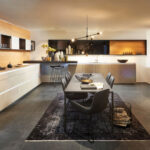
Kitchen islands add work surface, storage, and seating to various base layouts including L-shaped, U-shaped, or even galley kitchens with adequate space. Islands create central focal points where family and guests naturally gather while providing additional prep area, storage, and often sink or cooktop locations. Seating at islands allows casual dining and creates spaces for homework, projects, or socializing while meals are prepared.
Islands require adequate clearance on all sides for comfortable movement and cabinet access. Plan at least 42 inches and preferably 48 inches between the island and surrounding cabinets or walls. Tighter clearances create bottlenecks and make accessing cabinets difficult. Islands need sufficient size to be functional; tiny islands just create obstacles without providing useful workspace. Generally, islands should measure at least four feet long and two feet deep, with larger sizes offering more utility.
Consider what functions your island will serve. Simple prep islands provide workspace and storage. Islands with sinks require plumbing that complicates construction and may need floor or wall modifications to run lines. Cooktop islands require proper ventilation with either downdraft systems or substantial overhead hoods. Eating counters need appropriate overhang depth for comfortable seating plus adequate legroom underneath.
Peninsula Layouts: Island Benefits Without Floor Space
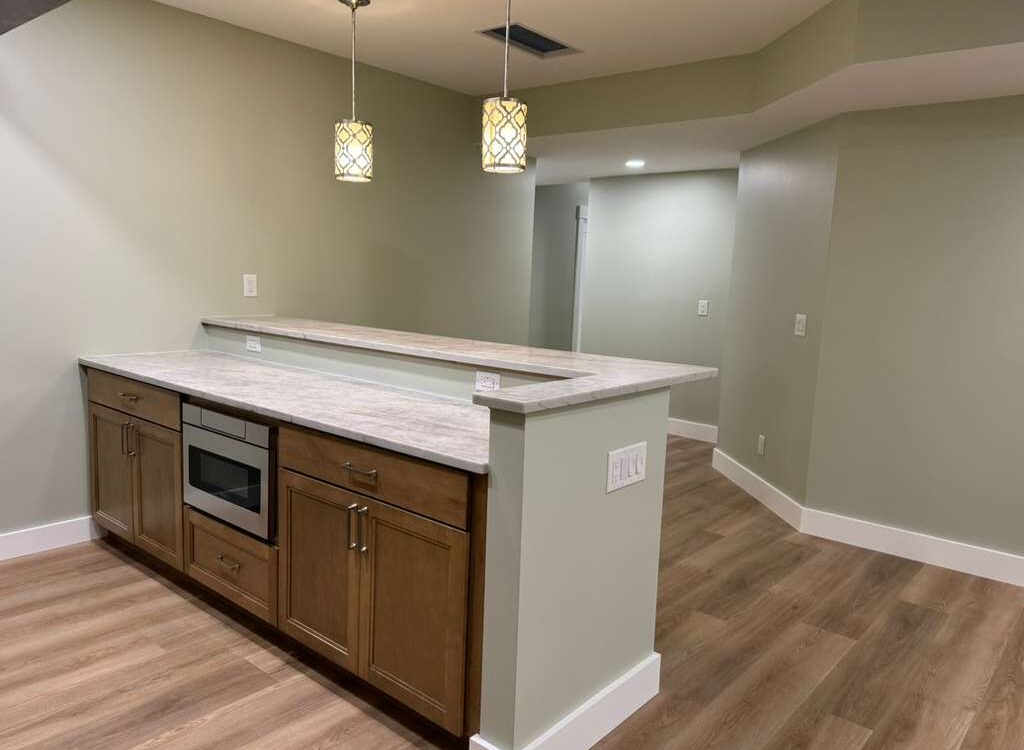
Peninsulas attach to walls or existing cabinets, extending perpendicular into the room similar to islands but connected rather than freestanding. This configuration provides many island benefits including additional workspace, storage, and potential seating while requiring less floor space. Peninsulas work well in kitchens too small for true islands or where traffic flow patterns make freestanding islands impractical.
One advantage of peninsulas is simpler plumbing and electrical since runs can come through connected cabinetry rather than requiring floor or ceiling routing. Peninsulas also help define kitchen boundaries in open concept layouts without completely enclosing the space. They create natural divisions between kitchen and adjacent dining or living areas while maintaining visual connection.
Peninsulas can feel more confining than islands since they close off one side of the kitchen work area. Consider whether the peninsula creates the right balance of definition and openness for your specific space. In some layouts, peninsulas create dead-end work areas where you must backtrack to exit, potentially causing conflicts when multiple people work simultaneously.
One-Wall Kitchens: Compact Solutions
One-wall or single-wall kitchens arrange all cabinets, appliances, and workspace along one wall. This ultra-compact layout works for small spaces, studios, or open concept designs where the kitchen needs to occupy minimal square footage. One-wall kitchens are economical since all plumbing and electrical runs along a single wall without complex routing.
The main limitation is reduced efficiency since the work triangle becomes a straight line rather than a triangle. You’ll walk more between refrigerator, sink, and stove compared to other layouts. Counter space is limited by wall length, and storage is restricted to one wall of cabinets. Multiple cooks have difficulty working simultaneously in the linear space.
One-wall layouts work best when supplemented with an island or peninsula if space permits, creating additional prep area and storage while improving work triangle geometry. For single occupants or couples who don’t cook elaborate meals, one-wall kitchens can be perfectly adequate while consuming minimal space and budget. They’re popular in modern open concept designs where the kitchen blends seamlessly into living areas without dominating the space.
Adapting Layouts to Pittsburgh Home Constraints
Pittsburgh’s diverse housing stock presents unique layout challenges and opportunities. Row houses and twins often have narrow footprints limiting width available for kitchens. Galley layouts naturally suit these spaces, though careful planning can sometimes accommodate L-shaped configurations or compact islands. Historic homes may have architectural features like original windows, doors, or built-ins worth preserving that constrain layout options.
Older homes often have kitchens in rear portions of the house with access to yards for historic ice delivery and trash removal. Modern renovations sometimes relocate kitchens to more central locations for better connection to dining and living spaces, though moving kitchens requires extensive plumbing and electrical work. Consider whether your existing kitchen location works or if relocation would significantly improve function and flow.
Structural elements like load-bearing walls, chimneys, and foundation constraints affect which layouts are feasible and economical. Removing walls to create desired layouts may require installing beams and temporary supports, adding cost and complexity. Work with contractors to understand what’s structurally possible before settling on layout plans.
Planning for How You Actually Cook
The best kitchen layout depends on how you actually use your kitchen rather than abstract ideals. Consider who cooks in your household and how often. Single cooks have different needs than couples who prepare meals together or families where multiple people are cooking simultaneously. Think about the types of meals you prepare. Simple weeknight dinners require different setups than elaborate weekend cooking or frequent entertaining.
Do you need extensive prep space for assembling ingredients, or do you do minimal prep? Do you use lots of appliances that need storage and counter space, or do you cook simply with basic tools? How much food storage do you need for your shopping habits? Large families buying in bulk need more pantry and refrigerator space than small households. Where do you want to locate the kitchen relative to dining areas, family rooms, and outdoor spaces you use for entertaining?
Honest assessment of your actual cooking patterns helps identify which layout best supports your real needs rather than aspirational cooking you imagine but rarely do. If you rarely bake, dedicating significant space to a baking zone wastes resources better allocated elsewhere. If you cook elaborate meals requiring extensive prep, generous counter space becomes a priority.
Working with Designers and Contractors
Kitchen layout planning benefits from professional input even if you have strong ideas about what you want. Designers and experienced contractors understand how different layouts function in practice, can identify potential problems with proposed arrangements, and often suggest creative solutions you might not consider. They understand clearance requirements, appliance specifications, and practical considerations that aren’t obvious to homeowners planning their first kitchen renovation.
Professional input is particularly valuable when dealing with structural changes, relocating plumbing or gas lines, planning electrical service for modern appliance loads, integrating new layouts with existing home architecture, or maximizing functionality in challenging spaces. The cost of design services is modest compared to overall renovation budgets and can prevent expensive mistakes or missed opportunities.
Planning a kitchen renovation for your Pittsburgh home? JL Home Builders helps homeowners design kitchen layouts that maximize their specific spaces while supporting their cooking styles and family needs. Our experienced team understands how to work with Pittsburgh’s unique housing constraints while creating functional, beautiful kitchens. Contact us today for a consultation and let’s discuss your kitchen vision and layout options.