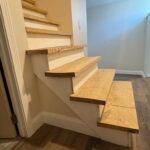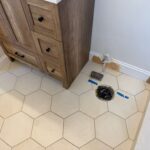
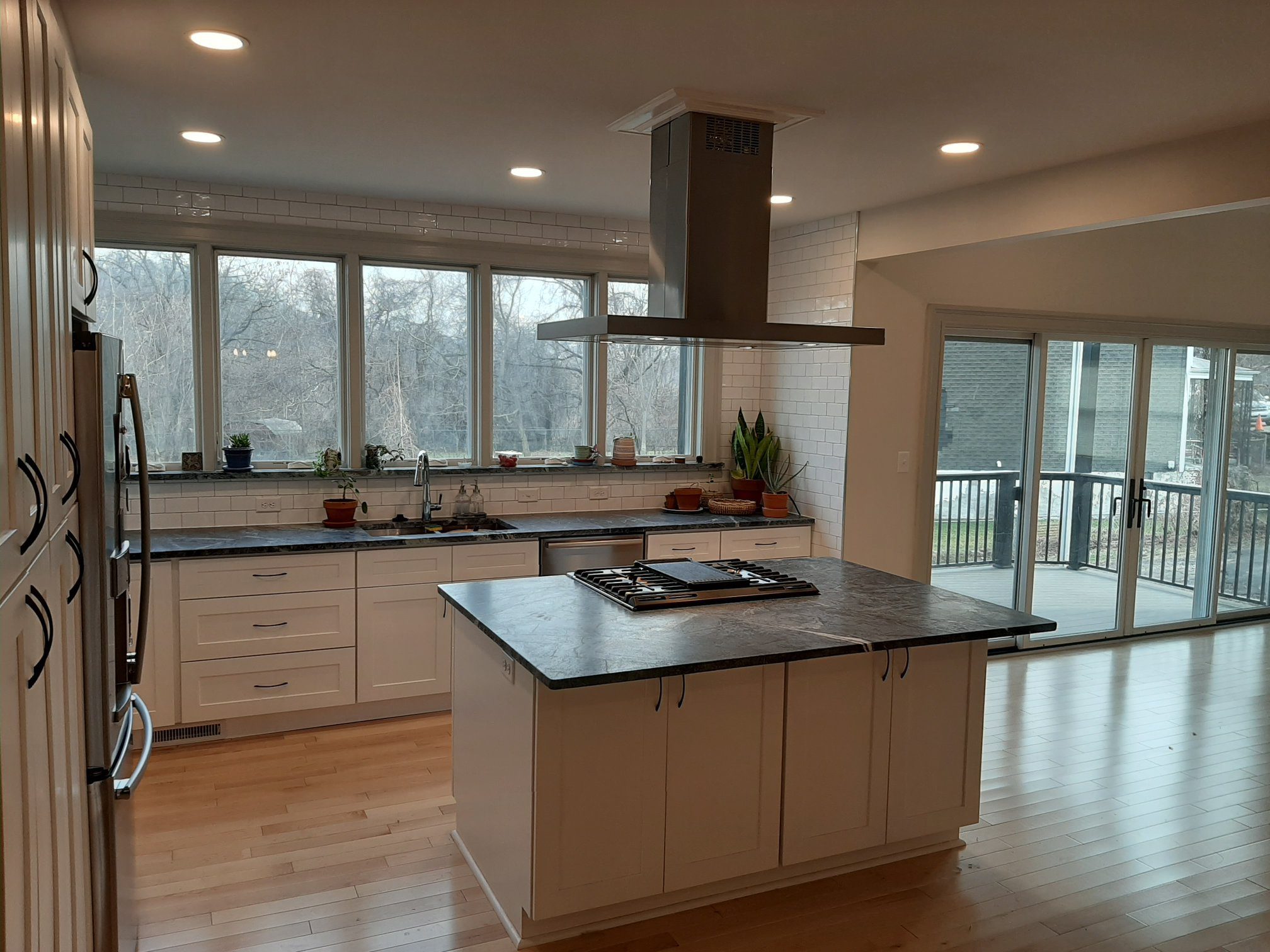
What devalues a house the most is work that buyers see as a problem they will have to fix: poor quality DIY work, unpermitted renovations, lost bedrooms or storage, and upgrades so personal or so expensive for the neighborhood that the market will not pay for them. Not every renovation pays off, and some of the most well intentioned projects end up doing the opposite of what homeowners expect.
Understanding what devalues a house is one of the smartest things you can do before picking up a hammer or hiring a crew. The goal of any renovation should be to improve how the home lives without alienating future buyers. When you know what to avoid, you protect your investment and position the home for a stronger sale. It is also why we plan every project of whole home remodeling in Pittsburgh around how the house will work for the people in it now and for whoever owns it next.
What Renovations Devalue Your Home?
Some projects are common culprits. Removing bedrooms to create an oversized primary suite, eliminating closets, and sloppy DIY work all fall into this category. These changes reduce the functional appeal of a home and send buyers looking at the next listing.
Then there are the projects that seem luxurious on paper but fall flat in the real estate market. Swimming pools, bold paint colors, and highly customized rooms are classic examples of things that lower home value. Buyers want to picture themselves in a space. When a home announces someone else’s personality in every room, that becomes nearly impossible.
Work that looks unfinished
Crooked tile, gaps at trim, and patched drywall tell a buyer the house needs work before they even open a closet.
Changes that shrink the house
Fewer bedrooms or less storage means fewer buyers searching for a home like yours.
Choices only the owner loves
Themed rooms and loud colors become a repaint and redo line on the buyer’s mental list.
Spending past the street
An upgrade far beyond what nearby homes offer rarely comes back in the sale price.
Poor Quality DIY Work and Unpermitted Renovations
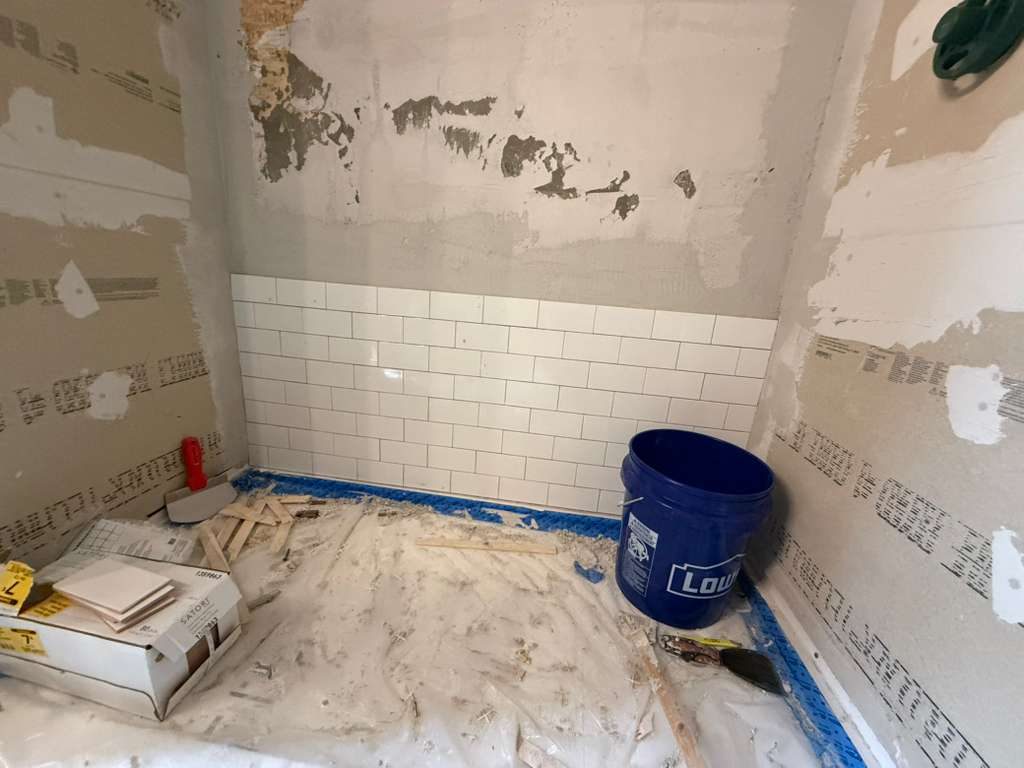
There is a big difference between a weekend project that goes well and one that creates lasting problems. Crooked tile, uneven cabinets, and amateur plumbing repairs stand out during a home inspection. Buyers see these issues and immediately start estimating what it will take to redo them.
Tile is a good example. Straight grout lines, a flat wall behind the tile, and a properly waterproofed shower are what make a bathroom read as well built. When those basics are missed, the whole room looks suspect.
Subway tile being set on a bathroom wall, with the upper wall still bare.
Unpermitted work is an even bigger concern. If a renovation was done without the permits it needed, it can create legal and insurance complications that scare away serious buyers. Permit requirements vary by municipality, so the safest habit is to check with the local office before work starts and keep the paperwork with your house records. We check with the local office for each job, and our guide on permits for a home remodel explains why it matters.
Over Customization: When Personal Style Hurts Resale
Your home should feel like yours. But for resale, too much personal flair becomes a liability. Bold accent walls, themed rooms, and niche design choices make buyers feel like they are walking into someone else’s world rather than a potential home of their own.
Converting a garage into a home gym or music studio is another common misstep. Most buyers want a working garage. These kinds of house devaluation factors are easy to avoid if you think about broad appeal before committing to a project. Stick with neutral palettes and versatile spaces whenever possible, and put the personality in paint, furniture and decor that are easy to change later.
Over Improving for the Neighborhood
The 30 rule is a rule of thumb that ties how much a homeowner spends on a single renovation to the current value of the home. The idea behind it is simple: do not over improve. Spend well beyond what the house and the street can support, and you risk putting money into a project the market will not pay back. We walk through it in more depth in our post on the 30 rule in remodeling.
This matters most when a project is ambitious for the neighborhood. A luxury kitchen in a modest home can outrun what nearby sales support all on its own. Comparable sales set the ceiling for what buyers will pay, regardless of how impressive the upgrades are. In practice we plan from the homeowner’s goals instead of a formula: what you need the house to do, how long you plan to stay, and what the street supports.
What Devalues a House Most? Expensive, Unwanted Additions
Swimming pools are a common example of an addition that can backfire. In many markets, buyers view pools as maintenance burdens rather than perks. Insurance can go up, safety concerns arise for families with kids, and the year round upkeep is more than most people want to handle.
High maintenance landscaping, water features, and elaborate outdoor setups fall into the same trap. They add ongoing upkeep that buyers factor into their offer. A clean, simple yard with good curb appeal will almost always outperform an elaborate outdoor project at resale.
Removing Bedrooms and Eliminating Storage
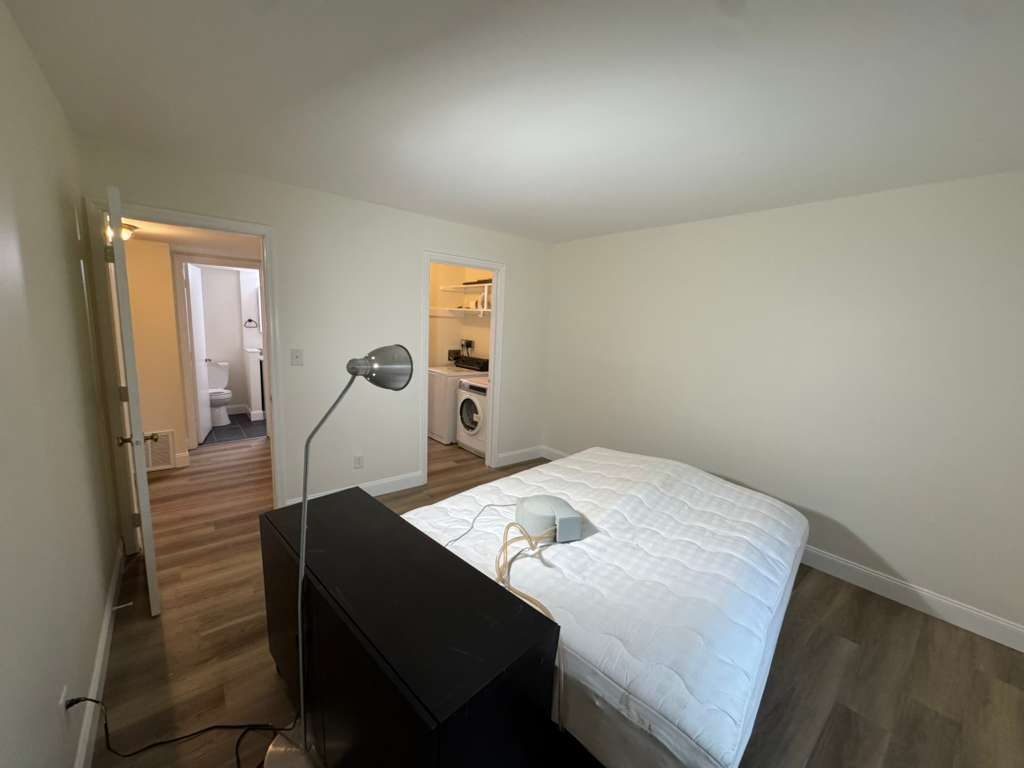
Bedroom count is one of the first things buyers filter for when searching online listings. Knock down a wall to combine two bedrooms into one, and you have just shrunk your buyer pool. Families, people who work from home, and investors all value more bedrooms.
Closet space is equally important. Removing closets to expand a room might feel spacious to you, but it creates a storage headache for future owners.
A remodeled bedroom with plank flooring, with a doorway looking into a bathroom and laundry area.
These are among the most common things that lower home value, and they are surprisingly easy to avoid with a little planning. If you need help weighing changes like these, start with how to choose the right contractor for your Pittsburgh remodel so the people you hire think about resale as well as the look.
Common Renovations and Their Impact on Value
| Renovation | Impact on Home Value |
|---|---|
| Swimming pool addition | Often negative; seen as a liability in many markets |
| Removing bedrooms | Negative; reduces the buyer pool and appraised value |
| DIY or unpermitted work | Negative; raises red flags during inspection |
| Over customized design | Negative; limits buyer appeal |
| Luxury kitchen in a modest area | Negative; unlikely to be paid back by buyers |
| Eliminating closets or storage | Negative; buyers prioritize functional storage |
| Carpet over hardwood | Negative; most buyers prefer hard flooring |
| Well built kitchen and bath updates | Positive; buyers notice them first |
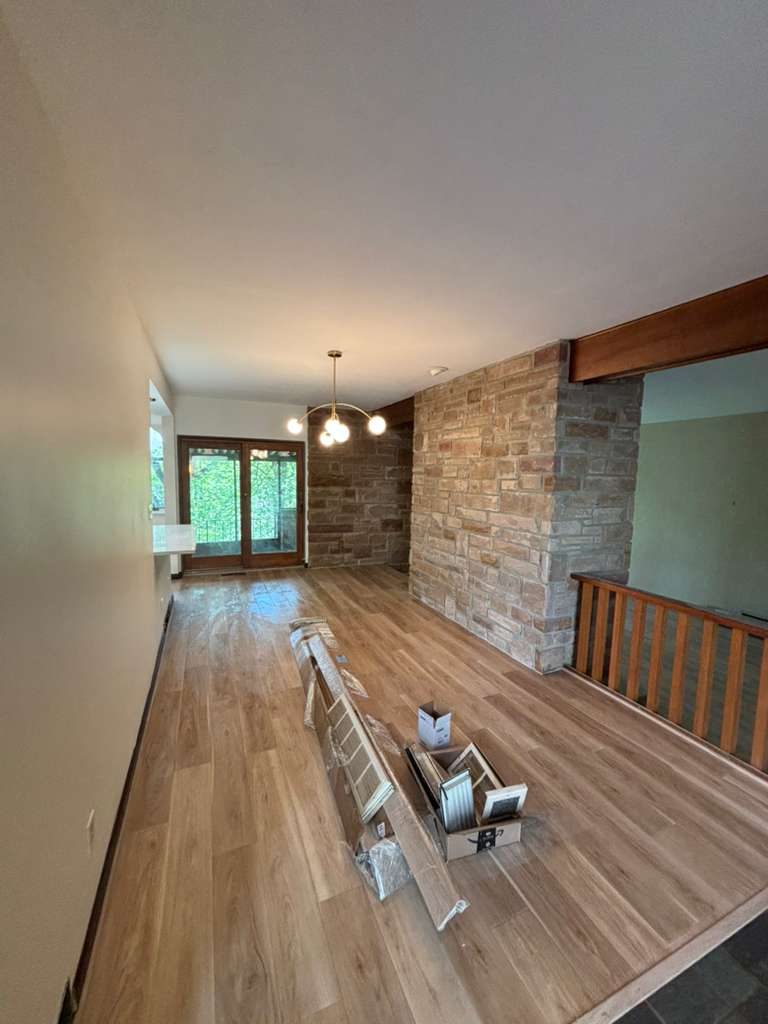
Flooring is a quiet value issue. Covering good hardwood with wall to wall carpet, or mixing several flooring types through one floor of the house, makes a home feel dated and chopped up.
A continuous hard floor through the main living areas does the opposite. It makes rooms read larger and gives buyers one less thing to replace.
New wood flooring running the length of a living room with a stone accent wall, with trim work still underway.
What Remodeling Adds the Most Value to a Home?
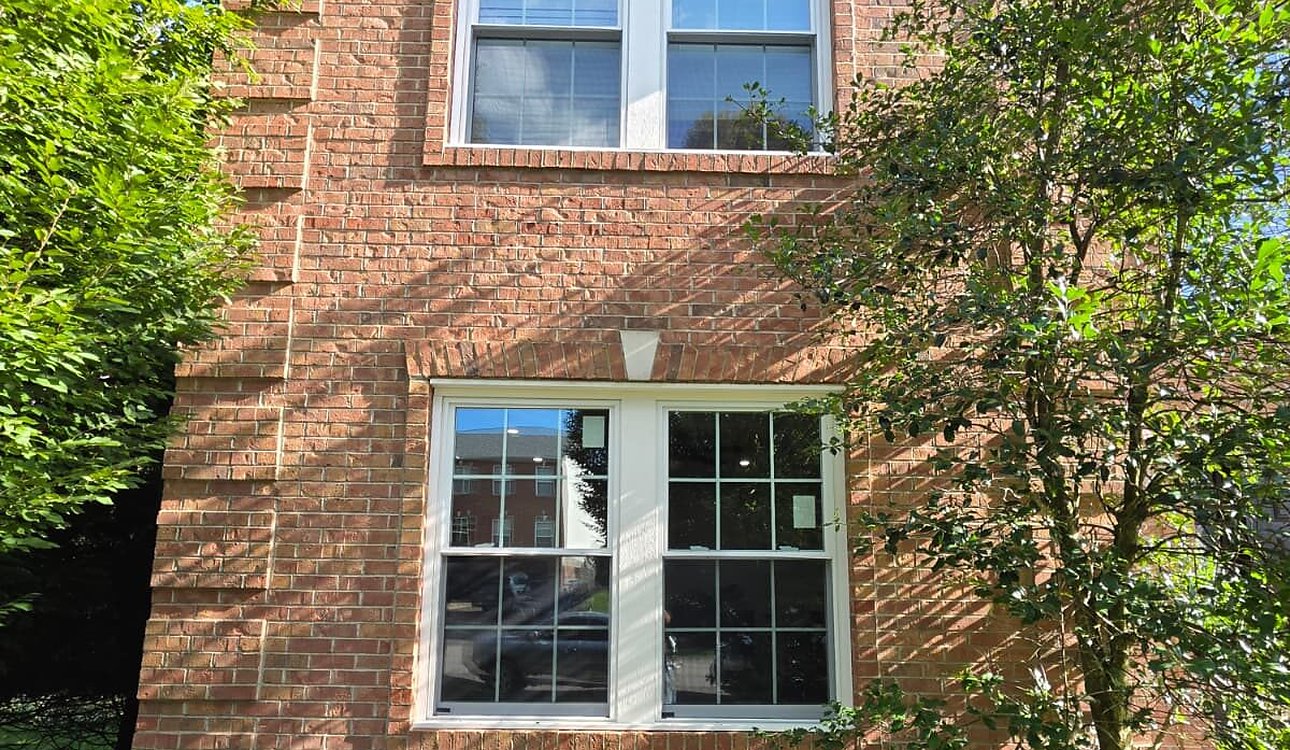
If you want to invest wisely, focus on projects buyers notice and trust. Kitchen updates, bathroom updates, and whole home work done with durable, middle of the road materials consistently hold their value. New flooring, fresh neutral paint, and updated fixtures go a long way.
Energy efficient upgrades are also worth considering. Replacing old windows and improving insulation appeal to buyers who want lower utility bills.
New grid windows on the brick front of a home, upstairs and down.
According to U.S. News Real Estate, focusing on practical improvements rather than flashy ones is the surest path to protecting your equity. The key is to keep upgrades in line with your neighborhood and avoid spending beyond what the local market supports.
Does a Zillow Home Value Forecast Show What Devalues a House?
Many homeowners first notice a drop in value on an online estimate, such as a Zillow home value forecast or a Zestimate. Those numbers come from automated models that read public records, recent nearby sales and listing details. They are a useful starting point, but they are estimates, not appraisals, and they cannot walk through your house.
That gap matters when you are asking what devalues a house. An online model mostly sees square footage, bedroom and bathroom counts, lot details and what similar homes nearby sold for. It does not see most of the things buyers and appraisers react to in person.
Condition and workmanship
A model cannot tell a carefully tiled shower from a rushed one, or a dry basement from a damp one. Buyers and inspectors can.
Permits and past work
Unpermitted renovations rarely show up in the data behind an online estimate, but they often surface during a sale and can slow it down.
Room counts on paper
Turning a bedroom into a closet or an office can change the recorded bedroom count, which is one of the few details these models do read.
The market around you
Forecasts move with the whole area. A change in your estimate may say more about nearby sales than about anything you did to the house.
Use an online forecast as general guidance only. For a real read on your home before a remodel or a sale, talk with a local real estate agent or a licensed appraiser, and focus your money on the parts of the house you actually control: sound work, broad appeal and keeping the rooms buyers count.
The Takeaway
The biggest house devaluation factors come down to poor execution, over personalization, and spending that outpaces your market. Every renovation decision should start with one question: will a future buyer appreciate this? If the answer is uncertain, proceed with caution or skip it.
Protecting your home’s value does not mean avoiding improvements altogether. It means being strategic. Invest in quality work, keep designs neutral and functional, and match the size of the project to the house. The renovations that add the most value are often the least glamorous, and that is exactly the point.
Frequently Asked Questions
What devalues a house the most?
Work that buyers see as a problem to fix: poor DIY workmanship, unpermitted renovations, removed bedrooms or closets, and upgrades so personal or so far beyond the neighborhood that buyers will not pay for them.
Does a swimming pool lower home value?
It can. In many markets buyers see a pool as upkeep, insurance and safety concerns rather than a perk, so it narrows the pool of interested buyers.
Can unpermitted work hurt a home sale?
Yes. It can raise questions during inspection, appraisal and insurance, and some buyers walk away. Requirements vary by municipality, so check with your local office before work starts.
Does painting a house bold colors hurt value?
Bold colors rarely ruin a sale, but they add to a buyer’s list of things to redo. Neutral colors make rooms feel larger and let buyers picture their own style.
What should you fix first before listing a house?
Start with anything an inspector will flag, then clean, neutral, well built updates in the rooms buyers notice most, like the kitchen, baths and main living areas.
Related reading
Planning changes and want to know which ones help your home and which ones could hurt it? We are a family owned company that has been remodeling homes since 2010. Book a free in home consultation and we will walk the house with you.