There’s something about walking into a 1920s Tudor in Point Breeze or a brick rowhouse on the South Side that feels different from any newer house. The original millwork, the plaster crown moldings, maybe even a butler’s pantry tucked behind a swinging door. These homes have stories baked into their bones. But when it comes time to actually cook dinner in a kitchen designed when iceboxes were standard, the romance fades fast. That’s where things get interesting.
We’ve spent years watching homeowners wrestle with this exact tension. They want the soul of the original house. They also want a dishwasher that doesn’t sound like a freight train and counters that weren’t installed seventy years ago. Pulling that off in Pittsburgh comes with its own playbook, one that’s pretty different from what you’d find in newer suburbs or other cities.
Why a Pittsburgh Historic Remodel Isn’t Like Other Renovations
Pittsburgh’s housing stock skews old. Really old. Many neighborhoods are loaded with homes built between 1890 and 1940, and that timeline matters more than people realize. You’re often dealing with knob-and-tube wiring, galvanized plumbing, and plaster walls that crumble if you look at them wrong.
A historic home remodel Pittsburgh project almost never goes exactly as planned, and seasoned contractors will tell you that upfront. Hidden surprises behind those walls are the rule, not the exception. We’ve seen perfectly good demo days uncover everything from old coal chutes to support beams that were never actually supporting anything.
The other quirk? Pittsburgh’s hilly geography means many older homes were built on irregular footprints. Kitchens were often pushed to the back of the house, sometimes added on as an afterthought decades after construction. That creates layout puzzles you simply don’t encounter in newer builds.
Working Around the Layout Challenges
The 3×4 Rule and Galley Kitchens
Most historic Pittsburgh kitchens were designed as utility spaces, not gathering places. They’re tight. Often galley-style or shaped like a stubby L. Tearing down walls sounds great until you discover one of them is load-bearing, hiding a chimney chase, or full of plumbing stacks for the upstairs bathroom.
When a fully open layout isn’t realistic, designers lean on what’s known as the 3×4 rule. The basic idea is keeping the working triangle, sink, stove, refrigerator, within a three to four foot range of efficiency. It maximizes function without forcing structural gymnastics.
When Walls Can and Can’t Move
Not every wall is created equal in a century-old home. Before any sledgehammer comes out, a structural assessment is non-negotiable. This is where we’ve watched DIY-minded homeowners get into the most trouble. They assume a wall is just drywall over studs. It rarely is.
| Wall Type | Common in Pittsburgh Historic Homes | Removal Difficulty |
|---|---|---|
| Plaster over wood lath | Very common pre-1940 | High mess, moderate cost |
| Load-bearing with chimney | Older Tudors, Foursquares | Significant engineering needed |
| Plumbing chase walls | Homes with second-floor baths | Costly to reroute |
| Non-bearing partition | Less common, but possible | Most straightforward |
Blending Old Character With Modern Function
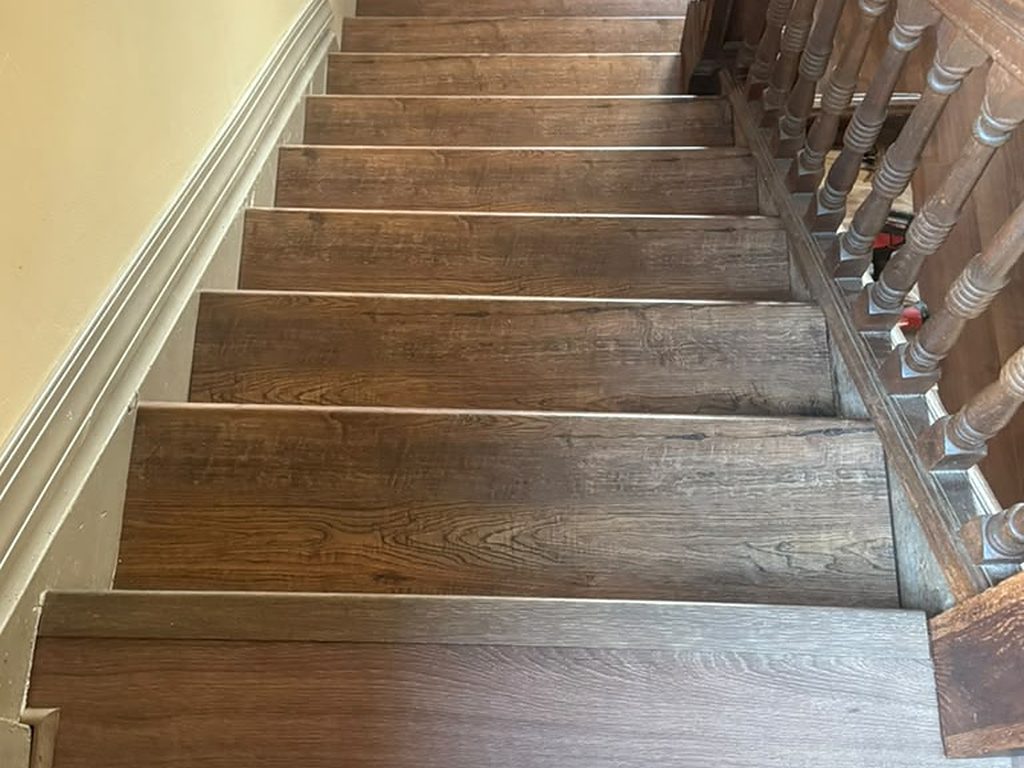
Here’s where we think Pittsburgh remodels really shine. The best Pittsburgh kitchen remodel projects don’t try to erase the home’s history. They lean into it. Original built-ins get refurbished instead of trashed. Old iceboxes find new life as bar cabinets or pantry storage. Reclaimed wood, often sourced right from Western Pennsylvania barns, gets repurposed into shelving or accent walls.
Original stairs refinished rather than replaced. The best historic work leans into what is already there.
The trick is balance. You’re marrying quartz counters with shaker cabinets. Pairing a farmhouse sink with a smart faucet. Installing soft-close drawers behind hardware that looks like it belongs to 1925. When done well, you can’t tell what’s original and what’s three months old.
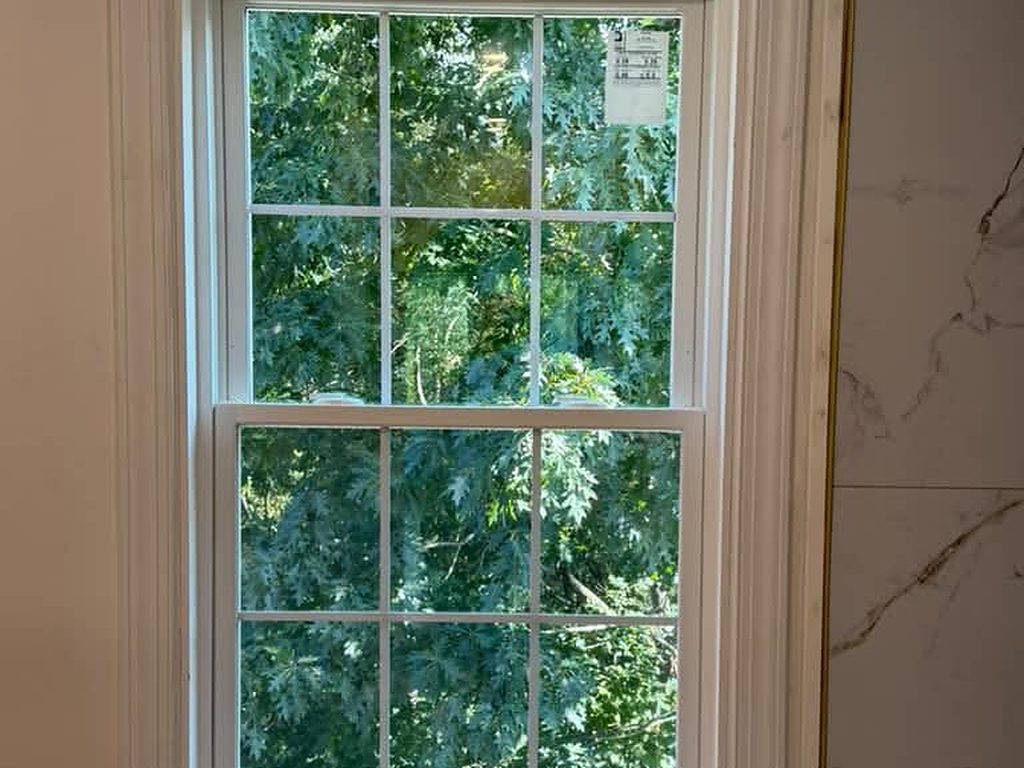
New trim milled to match the original profile, set beside new tile. Done well, you cannot tell what is original and what is three months old.
Regional Craft Still Matters Here
One advantage Pittsburgh homeowners have is access to skilled local craftspeople. Amish cabinetmakers within a couple of hours of the city and custom woodworkers throughout the region produce millwork that can match original details with surprising accuracy. That’s huge when you’re trying to extend existing trim profiles or replicate a built-in hutch that was original to the house.
Big-box cabinetry won’t cut it for serious historic work. The proportions are wrong, the wood species often doesn’t match, and the detail just isn’t there. Custom local fabrication costs more upfront but it’s usually the difference between a kitchen that looks renovated and one that looks like it was always there.
Neighborhood Realities: Sewickley to Lawrenceville
Where your home sits in the city changes the calculus quite a bit. In Sewickley and Fox Chapel, renovations tend to lean toward preserving high-end architectural detail and updating to luxury finishes. The homes were built with serious craftsmanship, and the goal is usually to honor that.
Lawrenceville, Bloomfield, and the South Side bring different challenges. Tighter footprints. Shared walls. Sometimes deeded easements that affect what you can do structurally. An older home kitchen renovation in these neighborhoods often involves creative space-saving moves, vertical storage, and very careful planning around existing infrastructure. This is the kind of work our kitchen remodeling team does every week.
Budgeting for the Unexpected
Anyone who tells you a historic kitchen remodel will come in exactly on budget is either lying or hasn’t done many of them. Building in a 10 to 20 percent contingency is just smart practice. Outdated plumbing that needs full replacement, electrical systems that aren’t up to code, subfloors with hidden water damage, all common discoveries.
The flip side is that surprises aren’t always bad. We’ve watched homeowners pull up linoleum and find original hardwood underneath that just needed refinishing. Behind a dropped ceiling? Tin tiles. Inside a boarded-up nook? An original transom window. Knowing how to identify and capitalize on these finds is part of what separates a good contractor from a great one.
Why a Design-Build Approach Often Makes Sense
What is different about historic kitchen work in Pittsburgh often comes down to project management. The complexity of these jobs makes a design-build approach valuable. You’ve got one team handling design, structural decisions, permits, and construction. That alignment matters when you’re making real-time calls about what to do when you discover, say, a 1910 gas line behind a wall you were planning to remove.
Splitting design and construction across separate firms can work, but it adds friction. If you’re trying to decide which route makes sense, it’s worth reading Kitchen Designer vs General Contractor: Do You Need Both in Pittsburgh? for a clearer breakdown.
Choosing the Right Partner for the Job
Not every contractor should be touching a 110-year-old home. The skills required for historic work, plaster repair, traditional joinery, identifying original elements worth saving, are specialized. Plenty of perfectly good remodelers simply don’t have that experience.
When you’re vetting builders, ask specifically about their historic project portfolio. Look at finished work. Talk to past clients in similar homes. We have built our reputation around exactly this kind of character-driven Pittsburgh work, and historic kitchen work is a daily practice for us, not a side line. Depth of experience with older Pittsburgh housing stock varies a lot from one firm to the next, so ask.
A Partnership With the Original Builders
A historic Pittsburgh kitchen isn’t a problem to solve. It’s a partnership with the original builders, the previous owners, and the neighborhood itself. Done right, the result is something a new build literally cannot replicate. Patience, the right team, and a realistic budget are what get you there.