We’ve walked through a lot of Pittsburgh homes over the years. Some were 1920s foursquares with plaster walls hiding a century of stories. Others were mid-century ranches out in the suburbs, quietly settling on old coal-country soil. Every single one taught us the same lesson: a renovation here is never just about design. JL Home Builders handles whole home remodeling in Pittsburgh, coordinating every trade under one roof.
Renovating in this county comes with its own rulebook, and it doesn’t always match what you’d expect. Before you knock down a single wall, it helps to understand the permits, the environmental rules, and the tax surprises waiting on the other side. That, in a nutshell, is what to know before starting a whole home renovation in Allegheny County. A successful whole home renovation starts with knowing the local terrain, not just the blueprint.
The Hardest Part Is Not the Hammers
The hardest part of a big project here often has nothing to do with hammers or drywall. It’s the paperwork, the inspections, and the local quirks that catch people off guard. Once you understand the system, though, the whole thing gets a lot less stressful.
Permits: Why Allegheny County Is Different
Here’s the first surprise for a lot of homeowners. Allegheny County does not issue building permits from one central office. Instead, permits come from your specific municipality, whether that’s a city, a borough, or a township. A project in Mt. Lebanon follows different steps than the exact same project in Shaler or Bethel Park. So your very first phone call should always go to your local building or code department.
Trade Permits: Who Governs What
Trade work adds another layer. Electrical, mechanical, and plumbing work all follow Pennsylvania’s statewide Uniform Construction Code, even when the building permit itself is local. Plumbing is the real curveball, because those permits run through the Allegheny County Health Department’s Plumbing Program, not your township. We’ve watched more than one project stall because someone assumed a single office handled everything.
Here’s a simple cheat sheet we share with homeowners:
| Type of work | Who handles it |
|---|---|
| Building, structural, zoning | Your municipality (city, borough, or township) |
| Electrical, mechanical, HVAC | Local permit under the statewide UCC |
| Plumbing | Allegheny County Health Department, Plumbing Program |
| Asbestos abatement | Allegheny County Health Department, Air Quality |
Older Homes: Lead, Asbestos, and Historic Charm
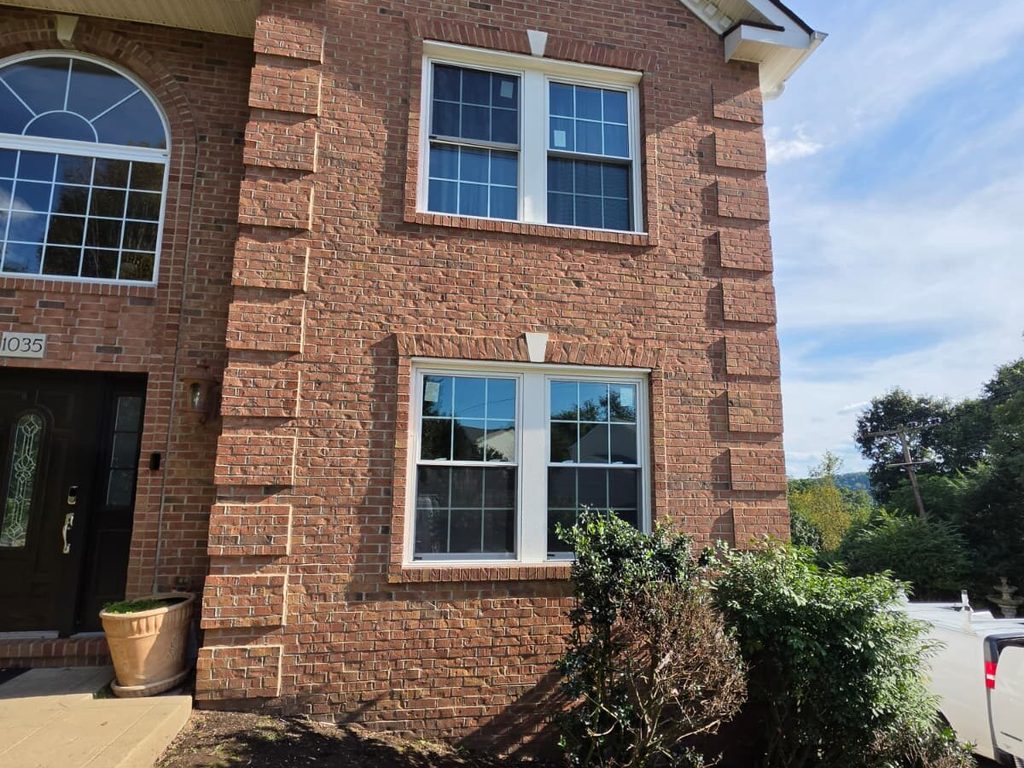
Pittsburgh’s housing stock is gorgeous, and it’s old. We’ve got Victorians, Craftsman bungalows, Tudors, and brick rowhouses that have stood for a hundred years or more. That character is a genuine gift. But it comes with hazards hiding behind the walls. Older paint often means lead, and older insulation, flooring, and pipe wrap can mean asbestos.
An older brick home with new windows. Exterior changes in a historic district may need review board approval first.
The county takes asbestos seriously. Its rules require an asbestos survey for renovation and demolition work, and if enough asbestos turns up, a licensed abatement contractor and a health-department permit come into play. Lead has its own federal rulebook. The EPA’s Renovation, Repair, and Painting Rule requires anyone paid to disturb painted surfaces in a pre-1978 home to be lead-safe certified. This is exactly why professional home remodeling matters so much on an older property. Cutting corners on lead or asbestos doesn’t just risk fines. It risks your family’s health.
Then there’s history of a different kind. If your home sits in a locally designated historic district, exterior changes may need approval from an architectural review board. That can shape everything from your window choices to your trim details. It’s rarely a dealbreaker, but it does add time, so plan for it. If you want a practical head start, our guide on How to Prepare Your Pittsburgh Home for a Major Renovation walks through the groundwork before the crew ever arrives.
Property Taxes and Reassessments
Now for the topic nobody enjoys. Major renovations that expand your footprint or living space can trigger a reassessment by the county’s Office of Property Assessments. Municipalities forward building and occupancy permits to the county, which then decides whether a physical change warrants a new value. Allegheny County still calculates taxes using a 2012 base year and a Common Level Ratio. In plain terms, a big addition can nudge your annual tax bill upward, sometimes more than folks expect.
We always tell clients to factor this in early. A finished attic or a new primary suite feels like pure joy on move-in day. It can also mean a slightly bigger tax bill next year, and that number shows up long after the paint has dried. It’s far better to know that going in than to be surprised by the mail.
Planning for What You Can’t See
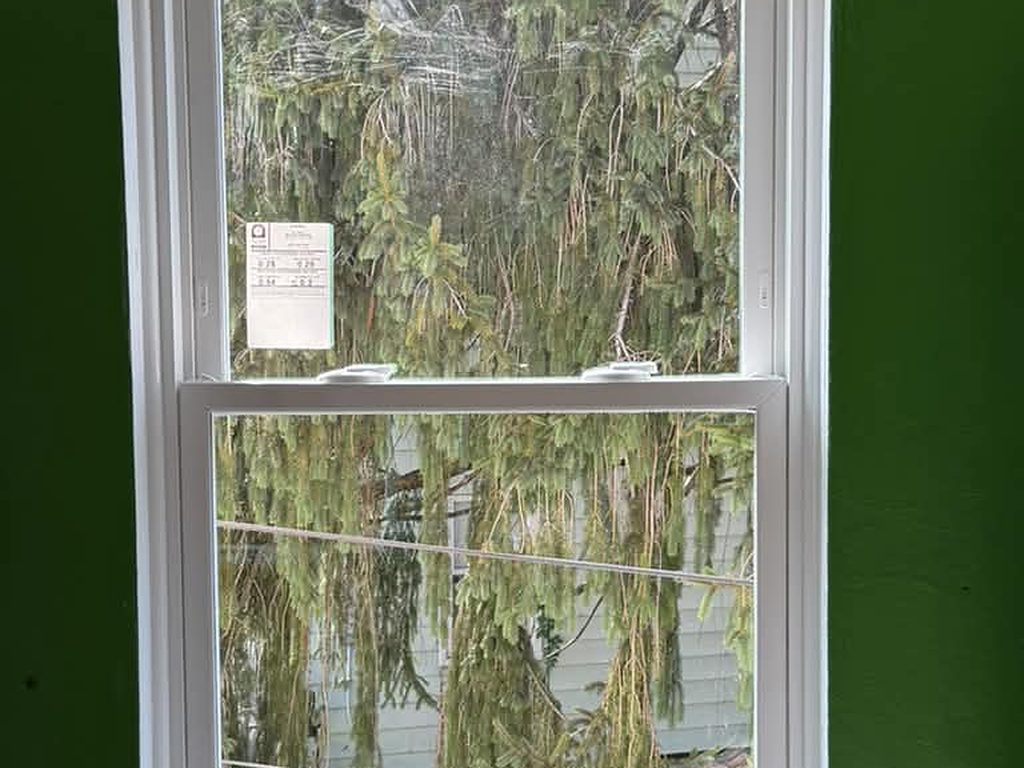
Old houses keep secrets. We’ve opened up walls expecting a quick update and found knob-and-tube wiring, corroded pipes, or a beam that had been quietly sagging for decades. That’s not bad luck. That’s just Pittsburgh. This is why we push every homeowner to build a contingency fund of ten to twenty percent into the overall budget.
A new window in an older home. What is behind the plaster around it is why a contingency fund matters.
Weather deserves a mention too. Our springs bring rain, our winters bring snow, and both can delay exterior work and material deliveries. A roof tear-off scheduled for a soggy April doesn’t care about your calendar. The projects that finish smoothly are almost always the ones that left a little breathing room for surprises and for the sky.
Financing and a Trusted Local Team
Not every renovation has to come out of pocket in one lump sum. Eligible county residents can look into the Allegheny Home Improvement Loan Program, which offers low-interest loans for qualifying repairs and improvements. Just read the fine print, because it’s income-based and several communities, including the City of Pittsburgh, are excluded. Whether or not a program like that fits your situation, the smartest money you’ll spend is on a renovation contractor who actually knows this region. Local knowledge is the difference between a smooth project and an expensive education.
Why JL Home Builders
Here’s where we’ll speak plainly about our team. At JL Home Builders, we don’t just build in the Pittsburgh area. We live and work here. We’ve navigated the permit maze across dozens of boroughs, coordinated plumbing approvals through the Health Department, and handled asbestos and lead the right way. We’ve also had the hard conversations, the ones about budgets, timelines, and what’s really lurking behind that plaster. When something unexpected shows up mid-project, and in an old Pittsburgh home it usually does, you want a team that has seen it before.
We have picked up projects where a previous crew skipped permits entirely and the homeowners were frustrated and a little scared. Slowing everything down, pulling the right approvals, and walking them through each step is what makes the process feel calm again. That’s the whole point of doing this well.
Your Next Step
A whole-home renovation in Allegheny County is a big undertaking, but it doesn’t have to feel overwhelming. Understand your municipality’s rules, respect the age of your home, plan for the things you can’t see, and surround yourself with people who’ve done this before. Knowing the rules going in is half the battle. When you’re ready to take that next step, we’d be glad to help you build it right.