A remodeling project manager is the person who plans the order of work, schedules the trades, tracks materials and decisions, and keeps the homeowner informed so the job keeps moving. Whether you need to hire one separately depends on the size of the job, how much time you have, and whether your contractor already handles that coordination as part of the work.
Not every project needs a separate manager, and we would rather tell you that plainly than sell you something you do not need. On large jobs like whole home remodeling in Pittsburgh, coordination is the difference between a project that flows and one that stalls. Here is how the role works, when it pays to have one, and when your contractor already fills it.
What Does a Remodeling Project Manager Do?
Picture the conductor of an orchestra. The plumber, the electrician, the framer and the drywall finisher are all skilled players, but someone has to make sure each one comes in at the right moment. That is the project manager’s job.
Sequence the work
Set the order of demolition, framing, rough plumbing and electrical, inspections, insulation, drywall and finishes so no trade has to undo another’s work.
Schedule the trades
Line up each crew so the next one is ready when the last one finishes, and adjust when something changes.
Track materials and selections
Make sure cabinets, tile, fixtures and windows are chosen, ordered and on site before they are needed.
Coordinate inspections
Know which inspections the local office requires for the job and make sure the work is ready for them.
Manage changes
Write up any change to the plan, its effect on cost and schedule, and get your sign off before work proceeds.
Keep you informed
Give you one point of contact and regular updates, so you are never guessing what happens next.
Protect the house
Keep the work area clean, protect floors and finished rooms, and make sure the site is safe at the end of each workday.
When Should You Hire a Project Manager for a Home Remodel?
There are a few clear situations where dedicated coordination pays for itself. The bigger and more tangled the work, the harder it is to manage from your kitchen table.
Additions, major kitchen and bath remodels, and anything structural require framers, plumbers, electricians and finishers to hand off to one another cleanly. One missed handoff can stall the whole job.
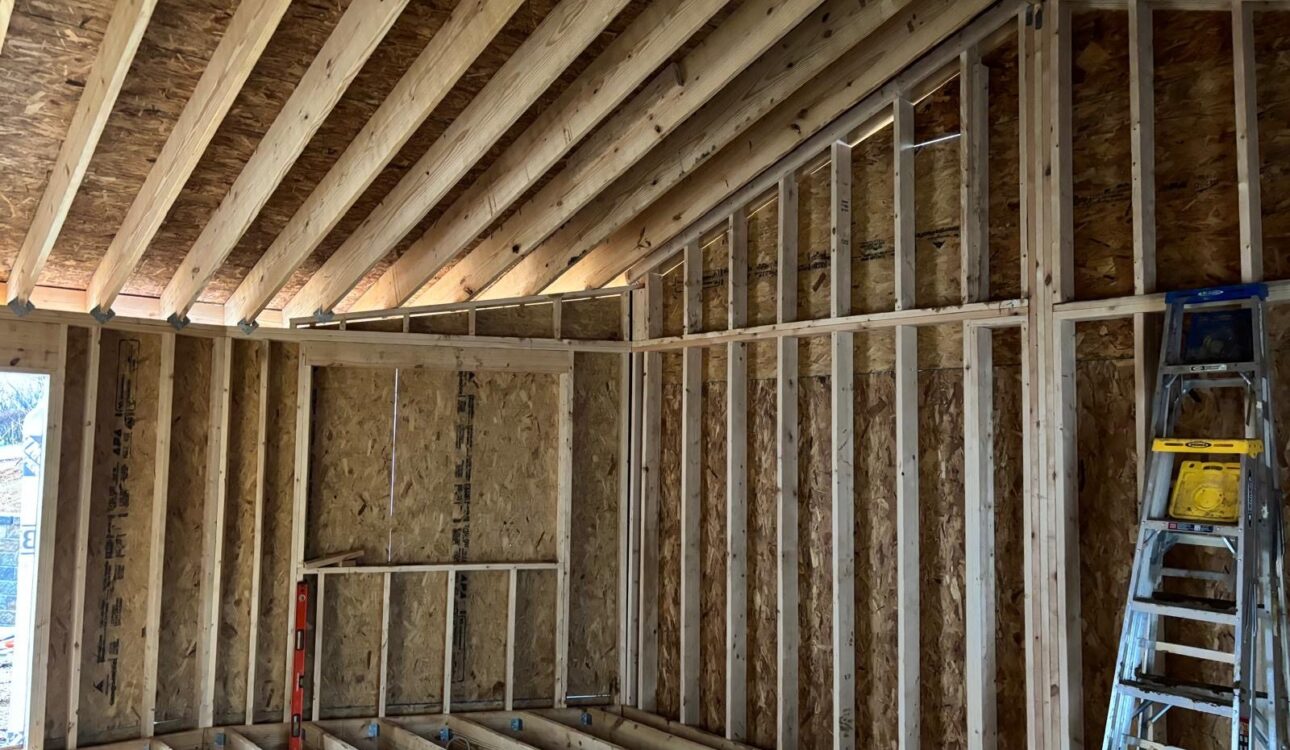
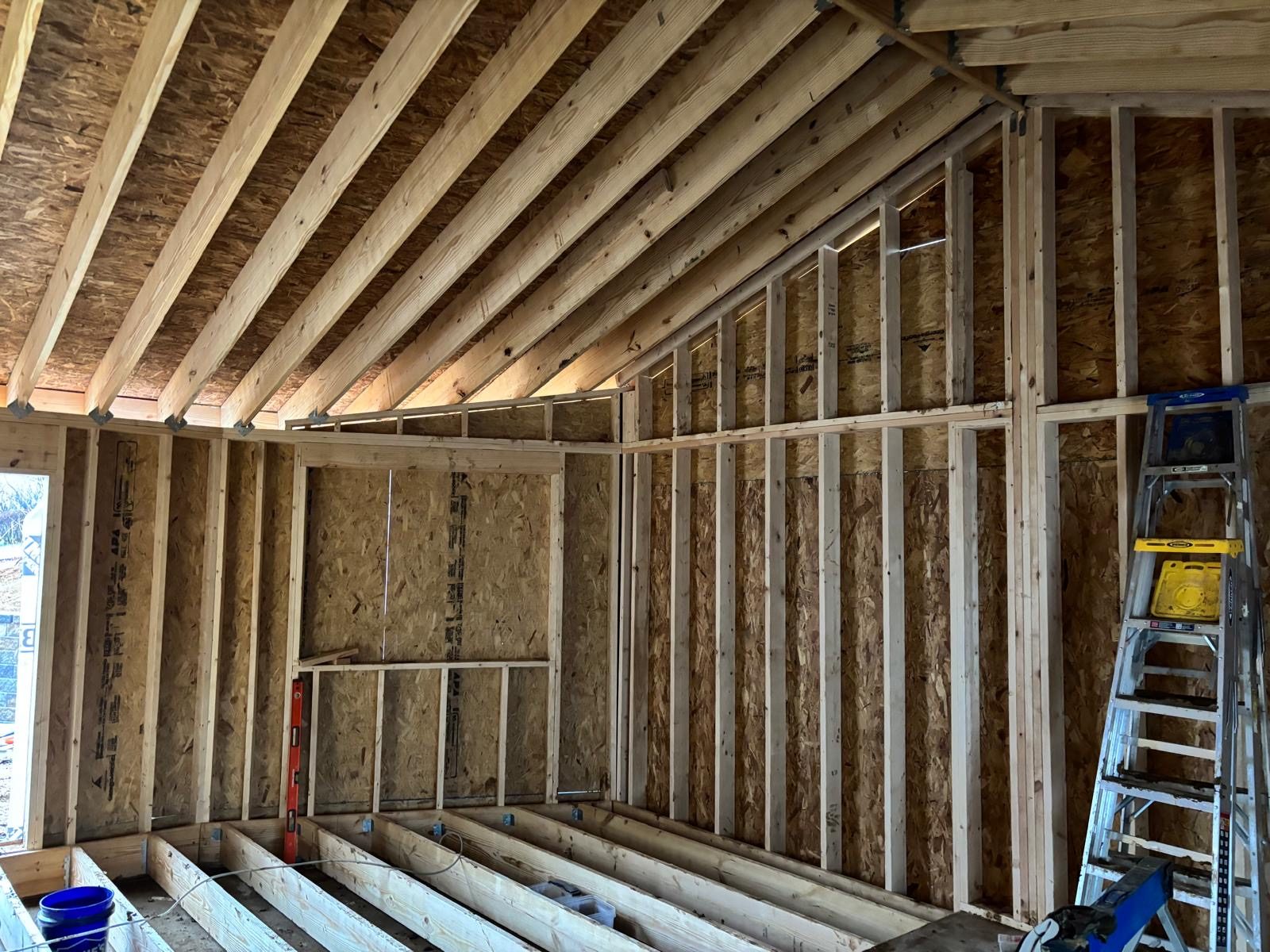
At the framing stage, for example, the electrician and plumber need to rough in before insulation, and inspections often need to happen before walls close. Someone has to own that sequence.
Framed walls, wall sheathing and roof rafters inside a room under construction, with ladders on the subfloor.
Time is the other big factor. Managing a schedule, chasing selections and ordering materials eats hours most working people do not have. If you have a full time job and a busy household, having someone else own the coordination buys back your evenings.
When You Can Manage the Project Yourself
Now for the other side, because some homeowners should keep that money in their pocket. If you are repainting, swapping a few fixtures, or putting down new flooring in one room, there is almost nothing to coordinate. A single contractor can handle the labor, and your budget is better spent on materials.
Some homeowners also enjoy being hands on. If you are home during the day, comfortable making quick decisions and fine being the one who calls each trade, running a small, single scope project yourself can work well.
Project Manager vs. General Contractor: Knowing the Difference
People mix these two roles up constantly, and the difference matters. A general contractor owns the project from start to finish and usually hires and pays the subcontractors directly. A separately hired project manager, sometimes called an owner’s representative, works for you and oversees the contractor or trades to make sure the work matches the plan. On most home remodels, a full service contractor already does the managing. We compare the two models in more detail in design build vs general contractor.
| Role | What They Do | Who Pays the Trades | Best For |
|---|---|---|---|
| General contractor | Builds and manages the whole job | The contractor | Most home remodels |
| Owner’s project manager | Oversees the work on your behalf | Often you, directly | Large or unusual projects with several separate contracts |
| Homeowner as manager | Hires and schedules each trade | You, directly | Small, single scope updates |
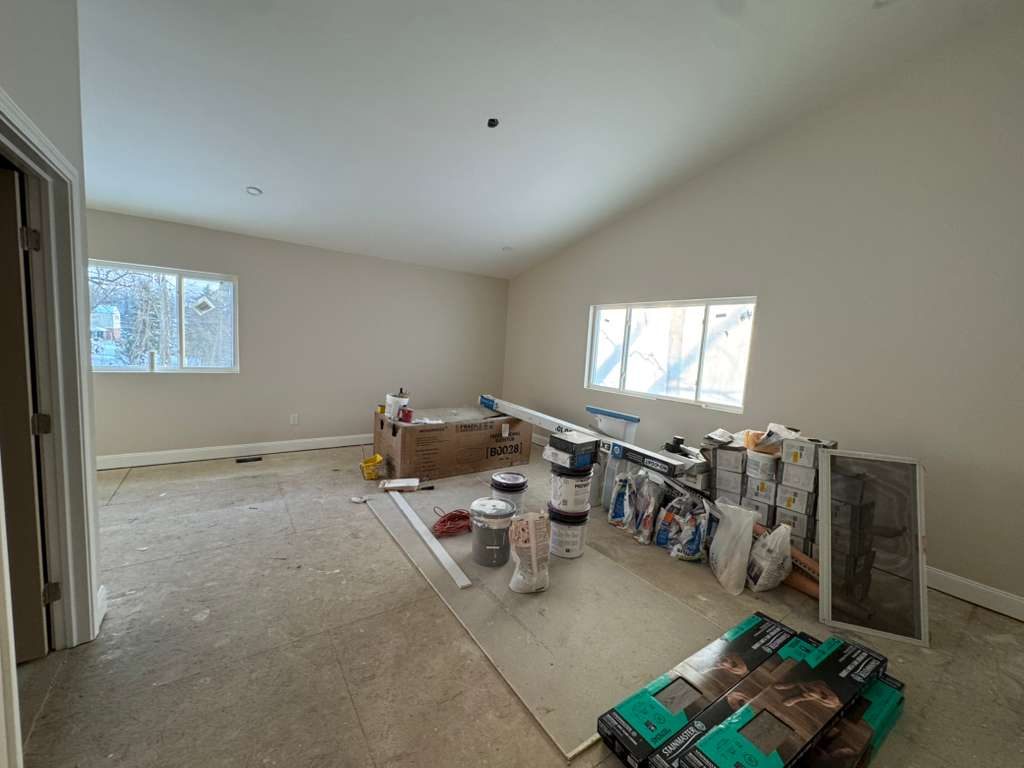
Material timing is a good test of coordination. Flooring, tile and trim should arrive when the room is ready for them, not so early that they get in the way or so late that they stop the crew.
Good project management is mostly invisible. The right materials show up, the right trade arrives next, and the room keeps moving toward done.
Flooring boxes, tile and tools staged in a freshly painted room before the floor goes in.
Questions to Ask About Remodeling Project Management
Before you sign with anyone, ask who will run the job day to day. The answers tell you whether you need to hire a separate manager.
- Who will be the main point of contact, and how often will updates come?
- Who schedules the plumber, electrician and other trades?
- Who arranges permits and inspections with the local office?
- How are changes written up and approved?
- What happens if a material is late or a hidden problem turns up?
- Are the people doing the work your own crew or subcontractors?
If the contractor answers those clearly and puts it in writing, a separate project manager is usually unnecessary. Our article on what should be included in a home renovation contract covers how to get those answers on paper, and renovating multiple rooms at once explains why coordination matters even more on larger jobs.
How Good Coordination Keeps a Remodel on Track
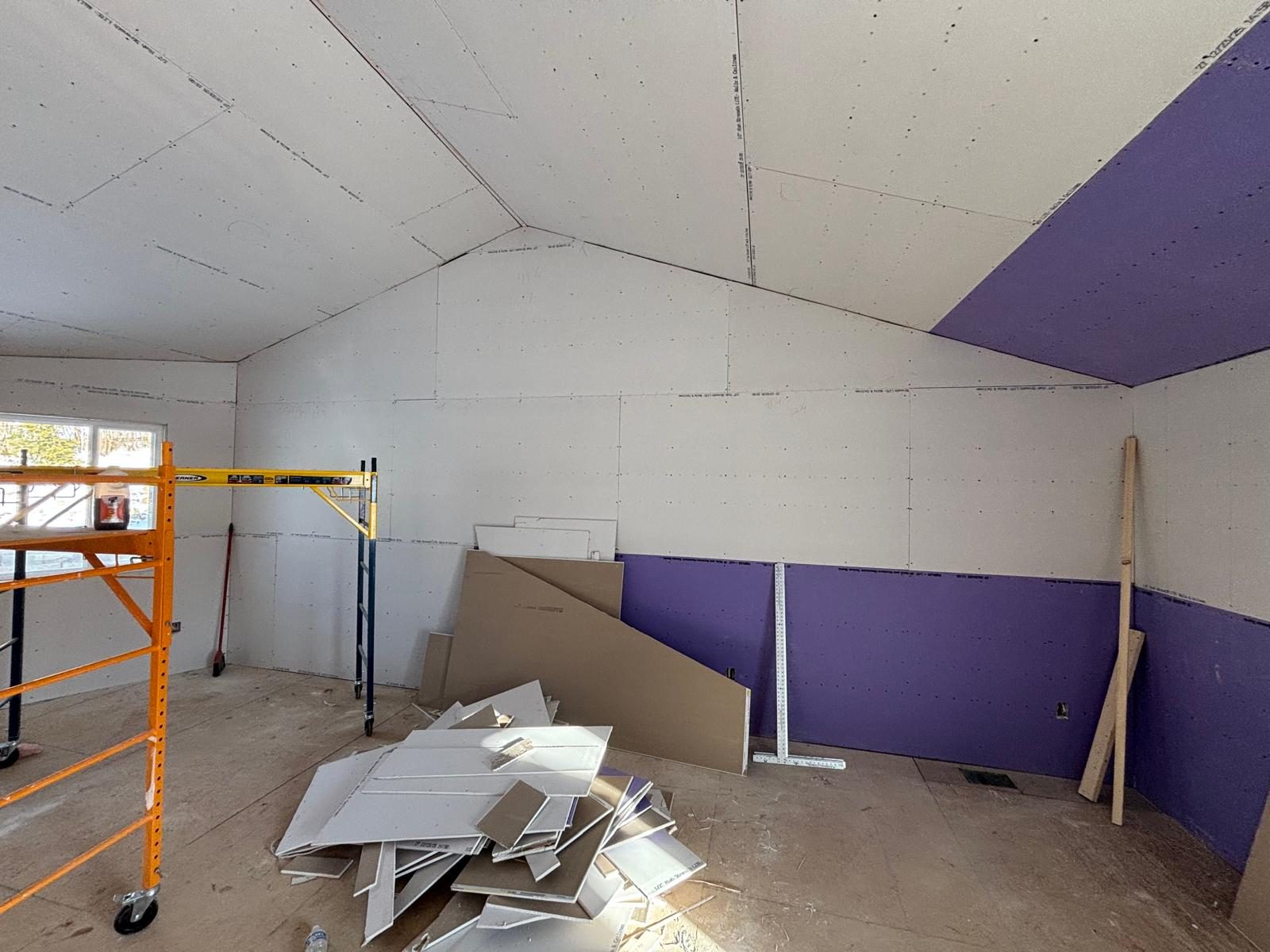
Drywall is the point of no return for everything inside the walls. Before the first sheet goes up, wiring, plumbing, ductwork and insulation have to be finished and, where required, inspected.
That one checkpoint shows why sequencing matters: getting it right once is far easier than opening walls again later.
Drywall hung on the walls and sloped ceiling of a room, with scaffolding and offcuts on the floor.
Every project is different, so there is no single answer to how much management a remodel needs. What matters is that one person owns the plan, the schedule and the communication, and that you know exactly who that person is.
So, Should You Hire One?
If the job is large, complex and involves several trades, you need strong project management, and the simplest way to get it is a contractor who provides it as part of the work. If the project is small and you have time to spare, managing it yourself is reasonable. Hire a separate owner’s project manager mainly when you are holding several contracts yourself or the project is unusually large.
At JL Home Builders, projects are designed in our showroom and built by our own crew, so the design, the schedule and the work all come from one family owned company that has been remodeling homes since 2010.
Frequently Asked Questions
What does a remodeling project manager do?
They sequence the work, schedule the trades, track materials and selections, coordinate inspections, document changes and keep the homeowner updated.
Do you need a project manager if you hire a general contractor?
Usually not. A full service general contractor manages the trades and schedule as part of the job. Ask who runs the project day to day before you sign.
Can a homeowner be their own project manager?
Yes, for small single scope projects. For multi trade work like additions or whole home remodels, it is a lot of scheduling and decision making to take on.
What is the difference between a project manager and a general contractor?
A general contractor builds the job and pays the trades. A separately hired project manager works for you and oversees the work, usually on larger projects.
How can you tell a contractor will manage the project well?
Ask how they schedule trades, handle changes and communicate, and look for clear written answers in the contract.
Related reading
Planning a remodel with several trades involved? Book a free in home consultation and we will walk through how the work would be planned and who you would talk to along the way.