Table of Contents
The 19 Degree Morning That Made Us Believers
We get a version of this call every January. A young couple has just bought a 1960s Cape Cod in the South Hills and the upstairs bedrooms never warm up. You could stand in the hallway and feel the cold pouring down from the ceiling. We pulled back a corner of the attic hatch and found maybe three inches of flattened, gray insulation doing almost nothing. That house taught us something we repeat to clients every week: comfort and value live in the parts of a home nobody ever photographs. JL Home Builders handles exterior remodeling in Pittsburgh, including roofing, siding, decks and concrete.
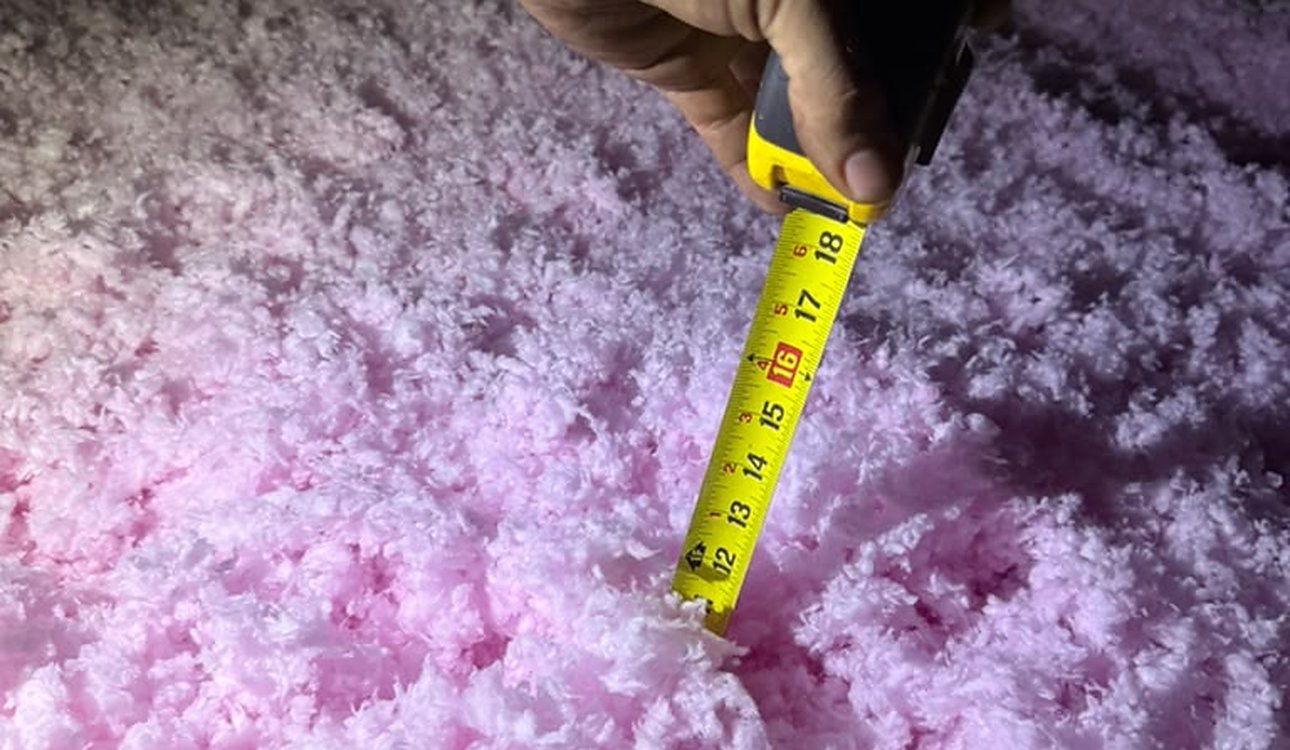
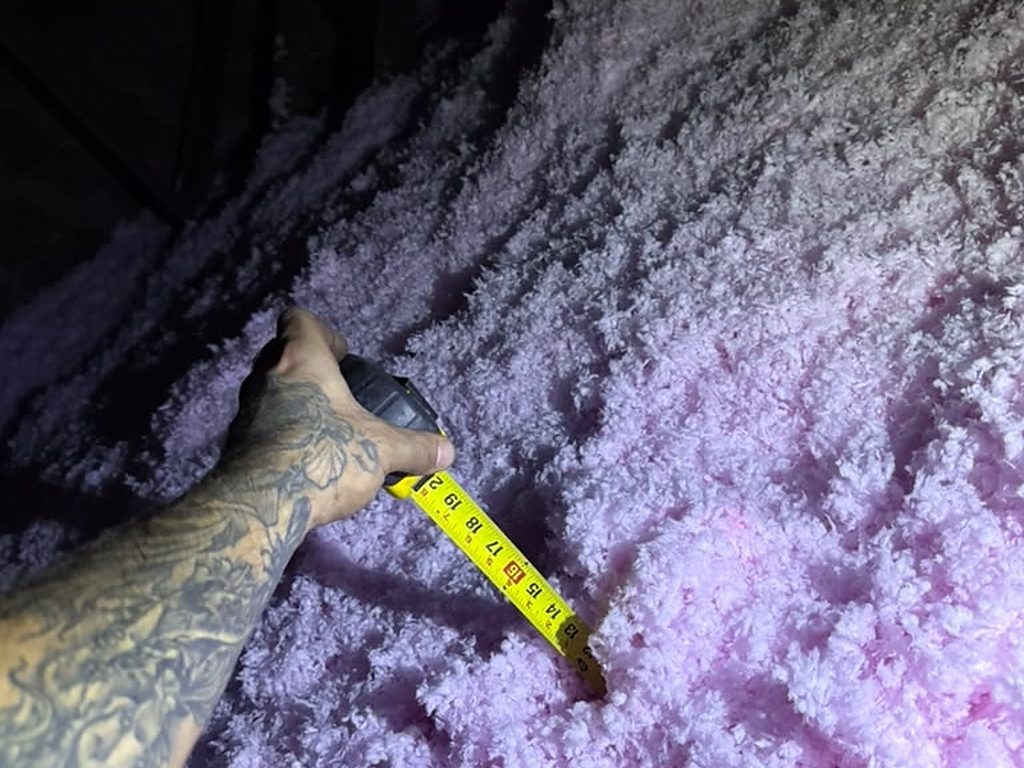
Blown-in attic insulation with a depth marker. This is what three inches of flattened gray fill should have been.
The Short Answer
Yes. New insulation adds value, and the numbers back it up. Most studies point to a 2 to 6 percent increase in overall property value after a quality job. On a typical home, that swing is real money. But the appraisal bump is only half the story. The bigger payoff is how the house feels and performs the day you move in.
How Much Does New Insulation Increase Home Value?
Let us put real figures to it. National remodeling data shows attic insulation projects often recoup well over 100 percent of their cost at resale, which is rare for any improvement. Separate research from energy certification groups found that homes with strong, documented energy features sell for roughly 5 percent more than comparable houses without them. The exact gain depends on your home’s size, your climate zone, and the material used. Here is how we usually frame the math for clients.
| What you invest in | What you tend to get back |
|---|---|
| Attic insulation top-up | Often 100% or more recouped at resale |
| Whole-home insulation work | 2% to 6% property value increase |
| Insulation paired with air sealing | Up to 15% off heating and cooling bills |
| Documented energy features | Around a 5% sale premium in some studies |
Why Buyers Feel It Before They Ever See It
Here is the funny thing. No buyer walks into an open house and gasps at your R-49 attic. They cannot see it. What they can feel is the absence of drafts, the steady temperature from room to room, and the quiet. When two similar homes sit side by side, the comfortable one wins and the cold one gets a lowball offer. Modern buyers also shop by total cost of ownership now, weighing the mortgage and the utility bills together as one number.
The Return That Starts Long Before You Sell
This is the part we love most. Unlike a kitchen remodel that only pays off at closing, an insulation upgrade starts saving you money the very next billing cycle. The energy experts at ENERGY STAR estimate that sealing and insulating a home cuts heating and cooling costs by an average of 15 percent. Industry studies suggest every dollar spent on insulation and air sealing can return four or more in combined savings, comfort, and reduced strain on your furnace. Your HVAC equipment runs less, lasts longer, and breaks down on fewer cold nights. That is value you bank every month, not just on the day you hand over the keys.
What Is the 2/3 Rule of Insulation?
You may run across the 2/3 rule, sometimes written as the one-third, two-thirds rule, and it trips up a lot of homeowners. In plain terms, it is a moisture guideline. When you build or retrofit a wall or roof, you want roughly two-thirds of the total insulating value on the cold, outer side of your vapor barrier and no more than one-third on the warm, inside face. Done right, this keeps the vapor barrier warm enough that moisture does not condense inside the assembly and quietly rot your framing. It is less a hard law and more a smart rule of thumb. It is also exactly the kind of detail a seasoned insulation contractor checks before piling on new material, because a “more is always better” job can trap moisture for years.
What Happens at Appraisal Time
Here is where we set expectations. Insulation rarely shows up as its own line item on an appraisal. An appraiser is not going to add a line item just because you reached R-49 in the attic. Instead, it works through the back door. It lifts your home’s overall condition rating, supports energy-efficiency notes, and helps your house compare well against neighboring sales. That is why we tell every customer to keep the paperwork. Save your scope of work, your R-value details, and your air-sealing invoices, then hand them to the appraiser and the buyer. Proof turns an invisible upgrade into a visible selling point.
Pair Your Insulation With Air Sealing for the Full Payoff
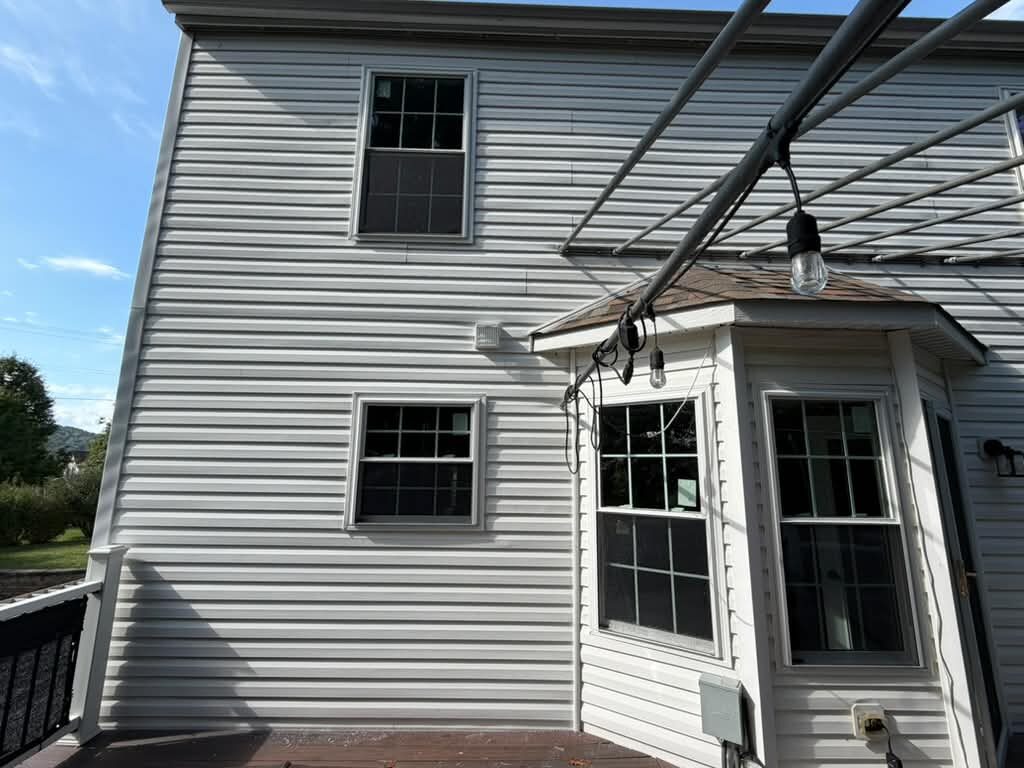
Insulation alone is half a system. If you add fluffy new material but leave gaps around recessed lights, attic hatches, and top plates wide open, conditioned air still leaks out and your savings shrink. We almost always pair a home improvement like this with professional air sealing, because the two together close the loop. One slows heat transfer. The other stops air from sneaking around it.
New windows and siding on a rear elevation. Insulation and air sealing go in while the wall is open.
A quick word on cost. The federal 25C tax credit that once covered 30 percent of insulation work closed at the end of 2025. The good news is that many state and local utility rebates are still active, so it is worth asking about those before you start.
A Few Signs Your Home Is Overdue
Roughly nine out of ten American homes are under-insulated, so you are in good company if yours needs help. Watch for rooms that never hold their temperature, ice dams forming on the roof in winter, bills that climb every season, and an attic where you can plainly see the tops of the joists. Any one of those is a reason to get an insulation upgrade on the calendar before the next cold snap.
How We Tackle an Insulation Project at JL Home Builders
We never start by quoting material. We start by assessing what you already have, because adding R-value over wet or moldy insulation just buries a problem. From there we map the right plan for your climate, your budget, and your goals, whether you are settling in for decades or staging to sell. If resale is your focus, it pays to think about the whole house. Our piece on What Adds the Most Value to a Bathroom? pairs nicely with this one if you are weighing where your next dollar should go.
Value on Both Sides of the Ledger
So, does new insulation add value to your home? In our experience, yes, on both sides of the ledger. You earn a measurable bump at resale, and you get a quieter, more comfortable, cheaper-to-run house every single day until then. That is a rare combination in this trade. When you are ready to see where your home stands, we would be glad to take a look.