If you have ever started pricing out a bathroom renovation, you know how fast the numbers climb. What begins as a simple refresh can quickly balloon into a five-figure project. The truth is, most homeowners underestimate the real costs until they are already mid-project. I have seen it happen over and over again.
Understanding where your money actually goes is the first step toward staying on budget. A clear bathroom remodel cost breakdown gives you the power to make smarter decisions before any demo work begins. It also helps you avoid the sticker shock that catches so many people off guard.
What Is the Most Expensive Part of a Bathroom Remodel?
The short answer: plumbing and labor. Every contractor will tell you the same thing. Moving pipes, rerouting drains, and relocating fixtures like toilets or showers will eat through your budget faster than anything else. Labor alone can account for 40% to 65% of your total project cost.
When plumbing needs to be moved, the walls and subfloor usually have to come out too. That means more labor hours and more money. On a $15,000 mid-range project, labor costs alone could reach $9,750.
Why Plumbing Relocation Drives Up the Cost
Keeping your toilet, sink, and shower in their current positions is one of the smartest budget moves you can make. The moment you decide to shift a toilet three feet to the left or swap the shower to the opposite wall, you are looking at thousands of dollars in additional work. New supply lines, drain connections, and vent pipes all need to be installed to code.
Permit fees add up as well. Most municipalities require permits for any plumbing or electrical changes, and those inspections take time. If you can live with your current layout, you will save a significant portion of your bathroom renovation budget. It is the single easiest way to keep costs under control.
The Shower and Wet Area: The Most Expensive Part of a Bathroom Remodel for Many Homeowners
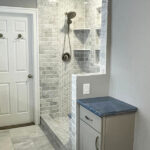
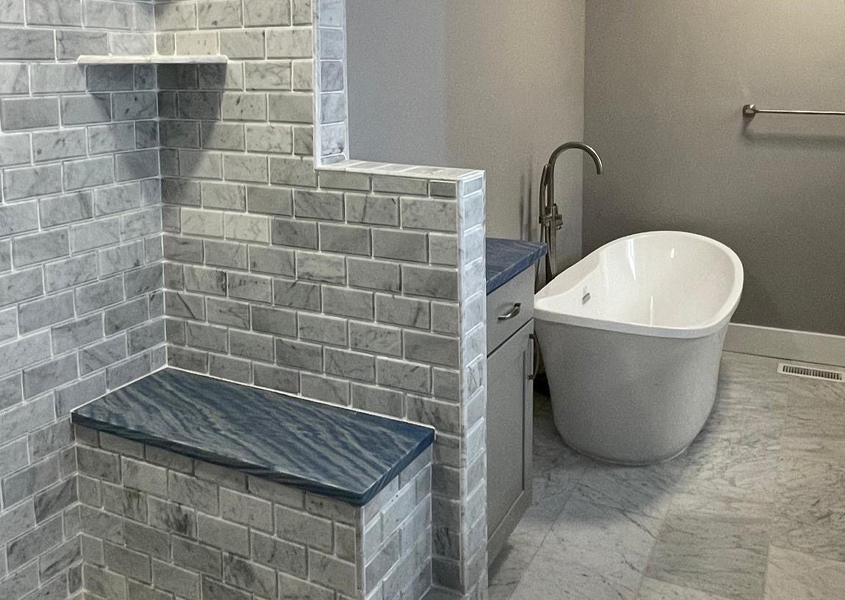
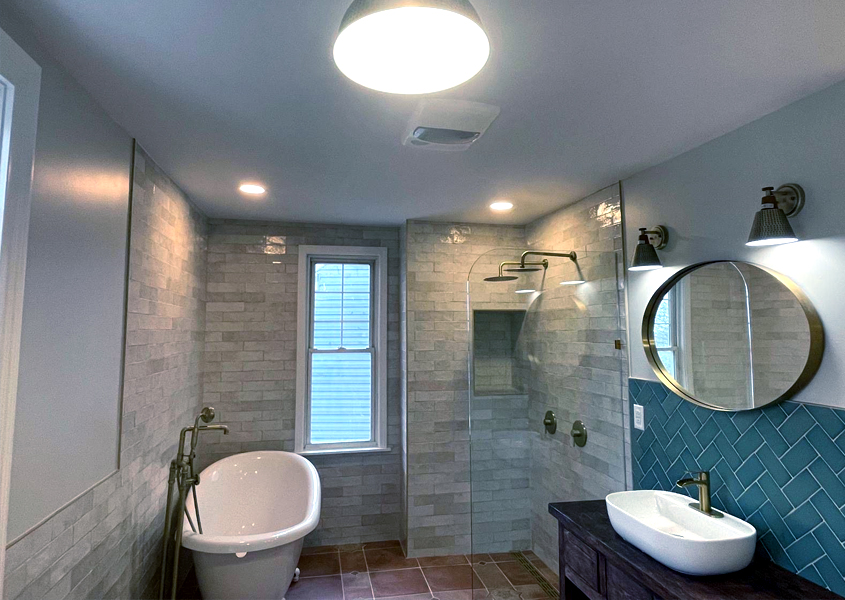
After plumbing labor, the shower or tub area is usually the next biggest line item. Custom tiled showers with glass enclosures, built-in niches, and high-end fixtures can run anywhere from $4,000 to $12,000 or more. That number climbs even higher when you factor in professional-grade waterproofing systems underneath the tile.
If you are trying to decide between a walk-in shower and a traditional bathtub, there are real cost and value differences to weigh. Check out this helpful comparison: Walk-In Shower vs. Tub: Which Is Right for Your Pittsburgh Home? Prefabricated shower kits can bring the cost down dramatically, sometimes to under $1,000 installed. But for a custom look, expect to invest considerably more.
Cabinetry, Vanities, and Countertops
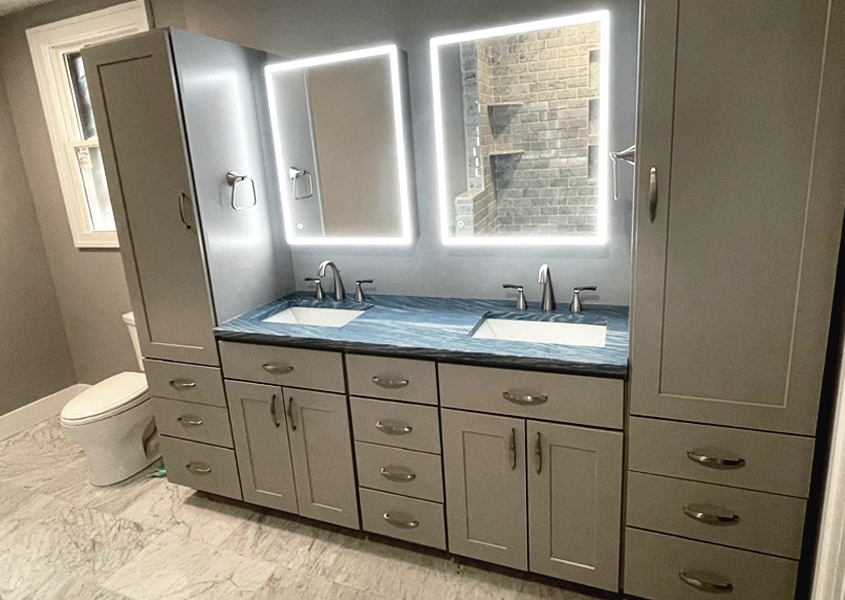
This is another area where costs can spiral quickly. A stock vanity from a big-box store might run $300 to $800. A custom-built vanity with a stone countertop and undermount sink? You are looking at $3,000 to $8,000 easily.
Double vanities are particularly popular in primary bathrooms. They add convenience and they appeal strongly to buyers down the road. Granite or quartz countertops paired with modern cabinetry can transform an outdated space entirely. Just know that these expensive bathroom upgrades will take a noticeable bite out of your budget.
Breaking Down the Numbers: Where Your Budget Actually Goes
It helps to see the full picture laid out in one place. Here is a general breakdown for a mid-range bathroom remodel.
| Category | % of Total Budget |
|---|---|
| Labor (plumbing, electrical, tile work) | 40% – 65% |
| Shower/Tub Area | 15% – 25% |
| Vanity and Countertop | 10% – 20% |
| Tile and Flooring | 5% – 15% |
| Fixtures (faucets, showerhead, lighting) | 3% – 8% |
| Permits and Waterproofing | 3% – 7% |
Keep in mind these are national averages. Your actual bathroom remodel cost breakdown will depend on your region, the condition of your existing bathroom, and your material choices.
Waterproofing: The Hidden Cost You Cannot Skip
This is one of those expenses that people love to overlook. Professional waterproofing for your shower area, including membrane systems, sealed backer boards, and proper drain connections, can add $1,000 to $2,500 to your project. Nobody posts about their waterproofing membrane on social media.
But skip this step and you are setting yourself up for mold, rot, and water damage that will cost far more to fix later. Waterproofing is non-negotiable. It protects everything behind the tile and protects your investment in the long run.
What Adds the Most Value to a Bathroom Remodel?
Not every dollar you spend will come back to you at resale. Mid-range bathroom remodels tend to deliver the strongest return on investment, with national averages hovering around 73% to 80% ROI. That means a $25,000 project could add roughly $18,000 to $20,000 in home value. Upscale luxury remodels, on the other hand, often recover only 36% to 55% of their cost.
The upgrades that add the most value are functional, not flashy. Updated vanities with modern countertops, walk-in showers, energy-efficient fixtures, and good lighting consistently rank at the top. Buyers want a bathroom that looks clean, feels spacious, and works well every day. According to This Old House, nearly 95% of homeowners in a recent survey said they were satisfied with their remodel, and over half believed it increased their home’s value.
How to Control Costs Without Cutting Quality
The biggest money-saver is simple: keep the existing plumbing layout. If your toilet, shower, and sink can stay where they are, you eliminate the most expensive variable in the entire project. That alone can save $3,000 to $7,000 on labor.
Beyond that, focus on materials that balance durability with cost. Porcelain tile performs beautifully at a fraction of the price of natural stone. Acrylic tub and shower surrounds offer a clean, modern look without the price tag of custom tile work. And refinishing existing fixtures instead of replacing them is another smart way to stretch your bathroom renovation budget further.
A Few More Tips to Keep Your Project on Track
Set aside at least 20% of your total budget for unexpected expenses. Older homes especially tend to reveal hidden problems once the walls open up, including outdated wiring, water damage, or deteriorated subfloors. Getting multiple quotes from contractors helps you understand realistic pricing in your area. And do not underestimate the value of planning every detail before the first hammer swings.
Final Thoughts on the Most Expensive Part of a Bathroom Remodel
Bathroom renovations are one of the best investments you can make in your home, but only when you understand where the money goes. Labor and plumbing dominate the budget. The shower area is almost always the second largest expense. Cabinetry, countertops, and waterproofing round out the top cost drivers.
I always tell homeowners: plan carefully, protect what is behind the walls, and do not move the plumbing unless you absolutely have to. A well-planned bathroom remodel cost breakdown gives you the confidence to invest wisely and enjoy the results for years.