
Setting a realistic budget is one of the most critical steps in planning a successful home remodel. Whether you’re updating a single room or tackling a whole-home renovation in Pittsburgh, understanding costs and planning financially can mean the difference between a smooth project and a stressful experience filled with unexpected expenses and compromises. At JL Home Builders, we’ve helped countless Pittsburgh homeowners navigate the budgeting process for their remodeling projects, and we know that proper financial planning sets the foundation for achieving your renovation goals without breaking the bank.
Understanding Costs and What You Can Afford
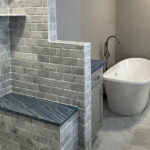
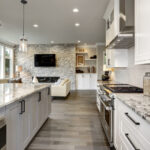
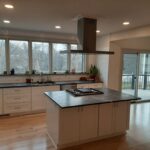
Before you can set your budget, you need to understand what things actually cost in the Pittsburgh market. Remodeling costs vary significantly based on the scope of work, quality of materials, and current market conditions. Kitchen remodels can range from basic updates to high-end renovations with custom cabinetry and premium appliances. Bathroom remodels vary widely depending on size and finishes. Basement finishing projects depend on the extent of work including new living spaces, bathrooms, and proper egress requirements.
Your specific project costs will depend on many factors including the size of your space, the materials you choose, structural changes required, and labor costs. Pittsburgh’s mix of older homes often means encountering unexpected issues like outdated electrical systems, plumbing problems, or structural concerns that can add to costs. Getting detailed estimates from reputable contractors is essential for understanding what your specific project will cost.
Being honest about what you can afford is crucial before you start planning your remodel. Look at your overall financial picture including your savings, available credit, monthly income and expenses, and other financial obligations. Consider how much you can comfortably allocate to your remodel without straining your finances or depleting emergency funds. Many homeowners finance their renovations through home equity loans or lines of credit, personal loans, cash-out refinancing, or contractor financing options. Each financing method has different terms, interest rates, and implications for your long-term financial health.
Prioritizing Goals and Building in Contingencies
Once you know your budget limitations, prioritize what matters most in your remodel. Make a list of must-haves versus nice-to-haves. Must-haves are essential improvements that address functional problems, safety issues, or critical repairs. Nice-to-haves are upgrades that enhance aesthetics or add convenience but aren’t strictly necessary. For example, in a kitchen remodel, replacing outdated appliances and fixing a leaking sink are must-haves, while adding a wine refrigerator or installing high-end custom cabinets might be nice-to-haves.
One of the biggest mistakes homeowners make is budgeting exactly what they think the project will cost without any cushion for unexpected expenses. Professional contractors recommend setting aside a percentage of your total budget as a contingency fund for surprises that arise during construction. In Pittsburgh’s older homes, unexpected issues are common. You might discover outdated knob-and-tube wiring that needs replacement, water damage behind walls that requires repair, structural issues that need addressing for code compliance, or asbestos or lead paint that requires professional abatement.
Getting Accurate Estimates
To set a realistic budget, you need accurate cost estimates from contractors. Get at least three detailed bids from licensed, insured contractors with good reputations in Pittsburgh. Make sure each bid includes a complete scope of work, specific materials and products to be used, labor costs broken down by trade, timeline for completion, and payment schedule.
Be wary of bids that seem too good to be true. The lowest bid isn’t always the best value if it means cutting corners on quality, using substandard materials, or hiring inexperienced workers. Ask questions about anything unclear in the bids. Make sure you’re comparing apples to apples when looking at different contractor estimates. One bid might include certain work or materials that another doesn’t, making direct price comparisons misleading.
Smart Spending Strategies
Not all aspects of your remodel deserve the same level of investment. Knowing where to allocate more of your budget and where you can economize helps you get the most value from your renovation dollars. Splurge on structural work and systems including quality plumbing, electrical, and HVAC work. These investments affect your home’s functionality, safety, and long-term value. Invest in durable, high-quality materials for high-use areas like kitchen countertops, bathroom fixtures, and flooring.
You can often save money on purely aesthetic choices that don’t affect function or durability. For example, you might choose laminate countertops instead of granite, select stock cabinets instead of custom, use luxury vinyl plank flooring instead of hardwood, or pick standard fixtures instead of designer brands. These choices can significantly reduce costs while still giving you an attractive, functional result.
Many homeowners focus only on construction costs and forget about other expenses that add up quickly. Don’t overlook permits and fees, temporary living expenses including eating out more during kitchen remodels, storage costs for furniture and belongings during construction, new furniture or decor to complement your renovated space, and landscaping repair if construction damages your yard. Budget for these extras from the start rather than being surprised when they arise.
Material Choices and Timing
Material selection dramatically impacts your remodeling budget. Understanding your options and their cost implications helps you make informed decisions. Countertop options range from affordable laminate to mid-range granite to premium quartzite or marble. Flooring choices span from budget-friendly luxury vinyl plank to mid-range engineered hardwood to high-end solid hardwood. Cabinet selections include stock cabinets at lower price points, semi-custom options, and fully custom cabinetry. Research materials before meeting with your contractor so you understand what’s possible at different price points.
When you schedule your remodel can affect your overall costs. Contractors often have more availability during slower seasons, which might mean more competitive pricing or more attention to your project. However, renovating during Pittsburgh’s harsh winter months can present challenges for projects involving exterior work. Material costs fluctuate based on market conditions, supply chain issues, and seasonal demand. Your contractor can advise you on whether waiting a few months might result in cost savings or whether current conditions make moving forward immediately more economical.
Working with Your Contractor
A good contractor helps you stay on budget throughout your project. Establish clear communication about costs from the beginning. Discuss your budget openly with your contractor so they can suggest options that work within your constraints. Create a system for approving any changes or additions that affect costs. Review invoices and payment schedules carefully to ensure they match your agreement.
Avoid changing your mind mid-project about major elements like layout, fixtures, or finishes. Changes often mean redoing work already completed, wasting materials and labor. Don’t rush into a renovation without proper planning and design work. Poor planning leads to mistakes, miscalculations, and expensive corrections. Be realistic about DIY contributions. Attempting complex work you’re not qualified for often results in mistakes that cost more to fix than hiring professionals initially.
While you’re setting your budget, consider the potential return on investment for your renovation. Some projects add more value to your home than others. Kitchen and bathroom remodels typically offer good returns, especially in Pittsburgh’s competitive real estate market. Adding a bathroom or finishing a basement can significantly increase your home’s value and appeal. However, don’t over-improve for your neighborhood. Talk to a local real estate agent about what improvements make sense for your area and price point.
Ready to plan your Pittsburgh home remodel? JL Home Builders provides detailed, transparent estimates and works with homeowners to create realistic budgets that align with their goals and financial situations. Our experienced team helps you understand costs, make smart choices, and get the most value from your renovation investment. Contact us today for a free consultation and let’s start planning your project budget together.