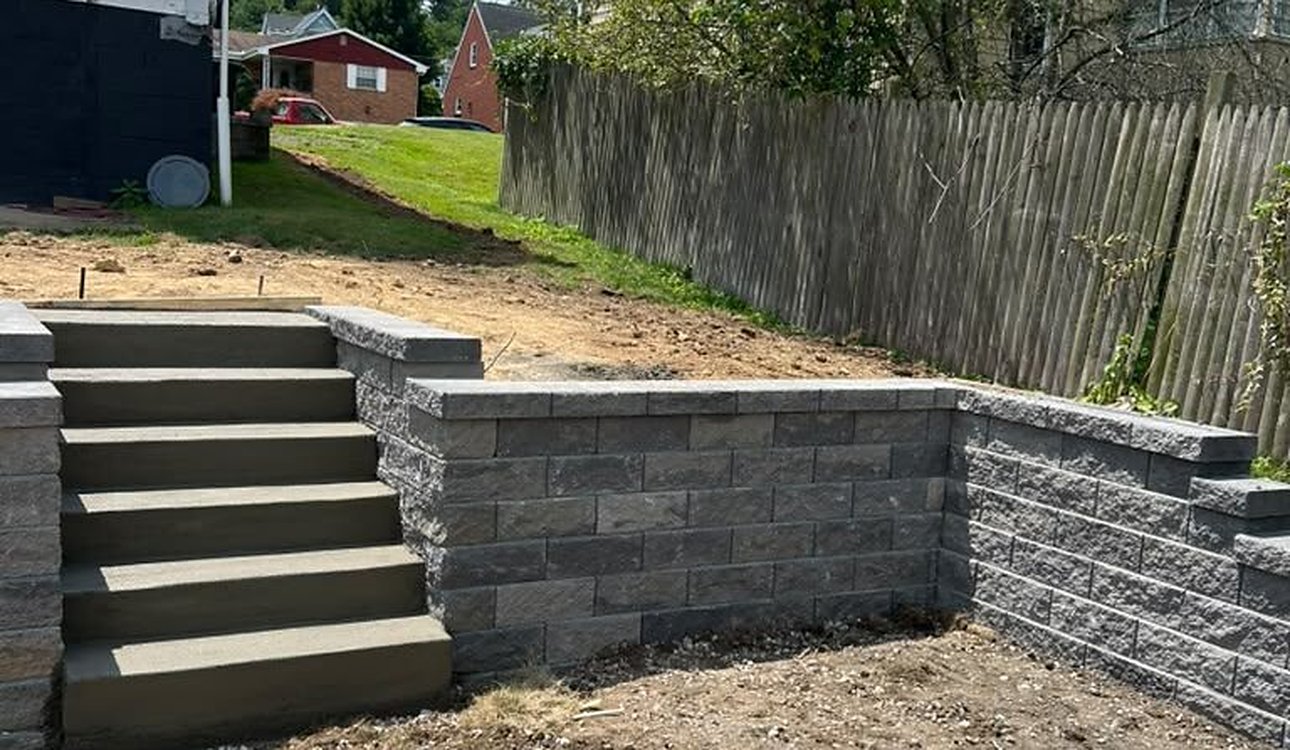
Why Pittsburgh Exteriors Demand a Different Playbook
Pittsburgh weather is a beast of its own. Between heavy snow loads, soaking spring rains, summer humidity, and brutal freeze-thaw swings that can hit forty times in a single winter, an exterior project here gets tested in ways most contractors outside the region never have to think about. We’ve walked plenty of properties where the homeowner thought they hired a pro, only to find peeling paint, sinking pavers, or a roof leaking after one rough February.
The truth is, a lot of these failures are preventable. They come from shortcuts, not bad luck. And if you understand where contractors typically slip up, you can avoid hiring the wrong one in the first place. That’s exactly what we want to walk you through today.
Concrete, Pavers, and Hardscaping Failures
Let us start with the ground beneath your feet. Concrete and paver failures are some of the most expensive mistakes we see on Pittsburgh properties, and they almost always trace back to two issues: ignoring freeze-thaw cycles and skipping proper base prep.
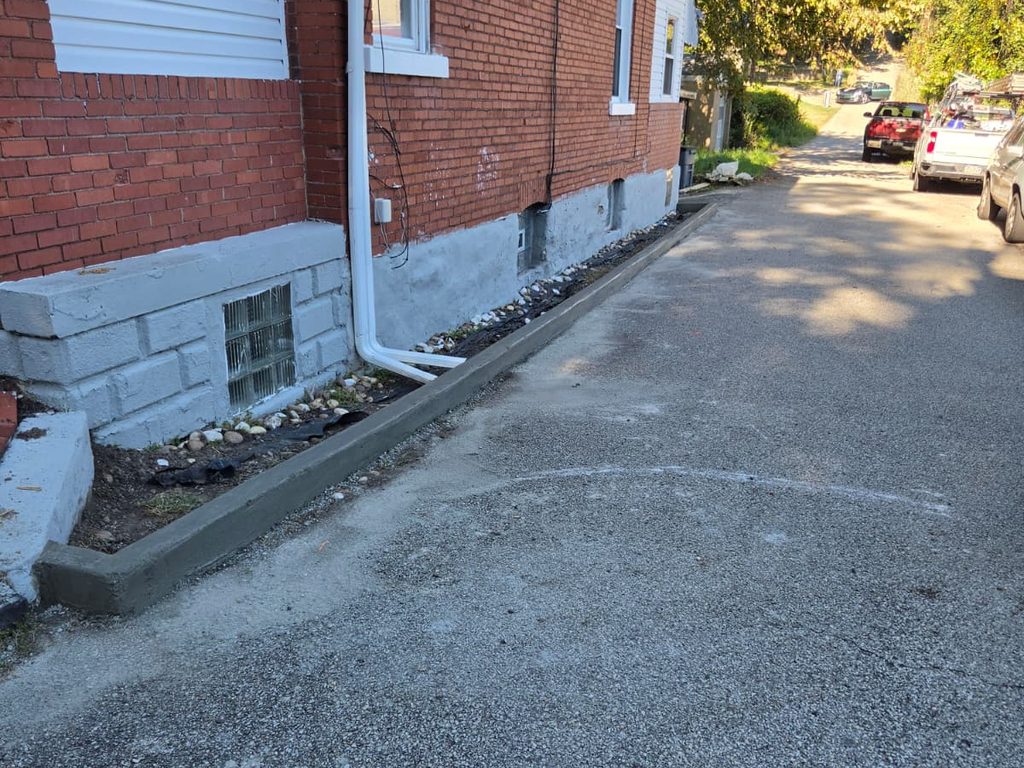
When water seeps into concrete that wasn’t air-entrained, it freezes, expands, and cracks the slab from the inside out. It’s a slow death. We’ve seen brand-new patios that looked beautiful in October and were splitting apart by April.
Fresh concrete along a brick foundation. Air-entrained mix and a compacted base are what keep it from splitting by April.
Base Prep and Edge Restraint
Patios and driveways need real excavation, real compaction, and the right gravel depth. When a crew rushes this part, the result is uneven settling, frost heave, and pavers that “creep” sideways because nobody bothered with edge restraints. If you’re planning exterior remodeling Pittsburgh work, ask your contractor exactly how they prep the base and what restraint system they use.
A good crew will explain it without hesitation. A bad one will get vague.
Roofing Mistakes That Cost You Twice
Roofing is where shortcuts hurt the most because the damage hides until it doesn’t. Ice dams, attic rot, and flashing failures rarely show up the week after install. They show up two winters later, after your warranty conversation gets a lot more complicated.
Ice and Water Barriers
A proper ice and water shield in the eaves and valleys is not optional in our climate. According to the International Code Council’s residential code, regions with significant ice formation require this barrier extending from the eave edge to a point at least 24 inches inside the exterior wall line. Plenty of crews still skip it or install it wrong.
The result is meltwater pushing back under shingles and dripping straight into your insulation. By the time you see a stain on the ceiling, the deck is already rotting.
Ventilation and Drainage
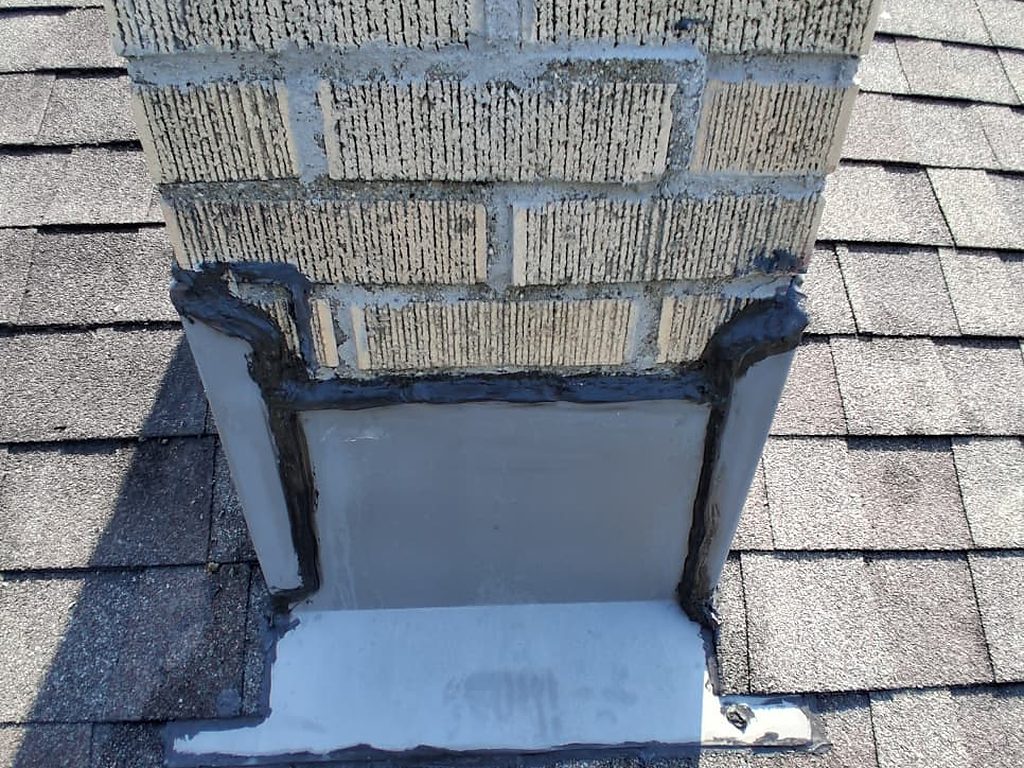
Bad attic ventilation cooks your shingles from underneath. Heat gets trapped, granules wear off faster, and the whole roof ages years ahead of schedule. Pair that with sloppy flashing around chimneys, valleys, and skylights, and you’ve got a leak waiting to happen. Roof drainage isn’t glamorous, but it’s the difference between a roof that lasts 25 years and one that fails in 10.
New flashing sealed at a chimney. Sloppy flashing is a leak that shows up two winters later.
Painting and Exterior Finish Errors
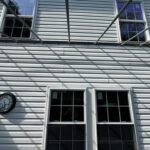
Paint looks simple. It isn’t. The two mistakes we see most often are over-coating and aggressive pressure washing, and both lead to peeling within a couple of seasons.
Over-coating happens when a crew slaps another layer over old, failing paint without proper prep. The new coat looks great for a year, then it lifts off in sheets because it had nothing solid to bond to. Pressure washing at too high a PSI does the opposite kind of damage, gouging siding and forcing water behind boards where it sits and rots.
A skilled Pittsburgh home exterior contractor takes the time to scrape, sand, and spot-prime before they ever open a fresh gallon. That patience is what separates a five-year paint job from a fifteen-year one.
What Is the Most Common Contractor Mistake?
If we had to pick just one, it’s poor communication. Hands down. More projects go sideways from ghosting, missed timelines, and unclear expectations than from any actual technical failure.
You’ll hear stories about crews disappearing for three weeks mid-project, subcontractors showing up unannounced, or homeowners getting hit with change orders that were never discussed. None of that is about skill. It’s about how the business is run.
Vague Estimates and Missing Contracts
A handshake deal might feel friendly, but it’s also the fastest way to end up arguing over scope. Every legitimate project needs a written contract that spells out materials, timeline, payment schedule, and what happens if something changes mid-build. If a contractor pushes back on putting things in writing, that’s your answer right there.
What Are Common Construction Mistakes Beyond the Build?
The job site itself tells you a lot about who you hired. A clean, organized site with proper signage and protected landscaping reflects a crew that respects your home. A site with debris everywhere, tools left out overnight, and tire ruts in your lawn reflects something else entirely.
We’d also put licensing and insurance high on this list. Pennsylvania requires contractors performing home improvements over $5,000 annually to register with the state, yet plenty of operators still work without it. No registration, no insurance, no recourse when something goes wrong. Budgeting matters too, and if you want a deeper breakdown on that side of things, take a look at How to Set a Realistic Budget for Your Pittsburgh Home Remodel.
Quick Reference: Mistakes vs. What to Demand
| Common Mistake | What a Quality Contractor Does Instead |
|---|---|
| Skipping base compaction | Excavates, compacts in lifts, uses proper gravel depth |
| No ice and water shield | Installs barrier per code in eaves and valleys |
| Over-coating old paint | Scrapes, sands, spot-primes before recoating |
| Verbal agreements only | Provides written contract with clear scope |
| Full payment upfront | Uses milestone-based payment schedule |
| No proof of insurance | Provides current certificate on request |
Red Flags to Watch For Before You Sign
Some warning signs are obvious if you know to look. A contractor asking for full payment upfront is the biggest one. So is a bid that comes in dramatically lower than every other quote you’ve gotten. That gap usually means somebody is cutting corners on materials, skipping insurance, or planning to disappear before the job is finished.
Other red flags include refusing to pull permits, having no verifiable local references, and being unable to show finished work in your area. Pittsburgh has its own permitting and zoning rules, and any seasoned local pro knows how to navigate them. If a contractor seems annoyed by the question, that tells you exactly how they’ll handle the rest of the project.
How to Avoid Exterior Renovation Mistakes Going Forward
Avoiding these problems comes down to vetting the people, not just the price. Ask for the PA contractor registration number. Ask for a current certificate of insurance. Ask to see two or three completed projects within thirty minutes of your home.
Then read the contract slowly. Every line. Watch for vague phrases like “as needed” or “industry standard” without anything specific behind them. The goal is to make sure you’re hiring a team that takes Pittsburgh’s climate seriously and treats your home like it matters.
Where We Come In
We’ve seen plenty of crews come and go in this region. What separates the lasting ones is a willingness to do the unglamorous work, the base prep, the ice barriers, the proper paint prep, the written communication. We have built our reputation here by handling those details on every project, not just the visible ones.
If you want to avoid these exterior renovation mistakes, the smartest move is starting with a contractor who treats your home like their own. That’s the standard we hold ourselves to, and it’s the standard you should hold any contractor to before you sign anything.