If you have ever started planning a renovation and felt lost on how much to spend, you are not alone. Most homeowners jump into projects without a clear spending framework. That is where the remodeling budget rule known as the 30% rule comes in.
The concept is straightforward. You should aim to spend no more than 30% of your home’s current market value on renovation projects. So if your home is worth $300,000, your total renovation budget should stay at or below $90,000. This figure accounts for everything: labor, materials, permits, and a contingency fund for surprises.
What Is the 30% Rule for Home Renovation?
At its core, the 30 percent renovation rule is a budgeting guardrail. It helps you invest wisely in your property without tipping into overcapitalization, which is a situation where you pour more money into your home than you could ever recoup at resale. Think of it less as a strict law and more as a financial compass that keeps your spending proportional to your property’s value.
The calculation is simple. Multiply your home’s current market value by 0.30, and that number becomes your ceiling. For a $400,000 home, that means roughly $120,000 across every project you take on. I always recommend getting an accurate property valuation first, whether through a local real estate agent or a comparative market analysis.
Why the 30% Rule Matters for Your Finances
Renovations are exciting, but they carry real financial risk. Costs escalate quickly, especially when unforeseen issues like outdated wiring or hidden water damage come into play. The home remodel spending guide principle behind this rule protects you from two common pitfalls: overspending on a single project and investing more than your neighborhood can support.
Buyers compare homes within the same area. If you sink $200,000 into renovations on a $350,000 home but comparable properties sell for $400,000, you will never see that money again. Sticking close to the 30% threshold keeps your investment aligned with what the market will reward.
How to Apply the 30% Rule in Remodeling

Applying the rule takes a few deliberate steps, but none of them are complicated. Start by getting your home’s accurate market value. Talk to a local realtor or review recent comparable sales in your neighborhood. Then multiply that value by 0.30 to establish your total renovation ceiling.
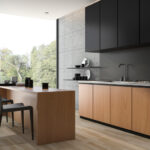
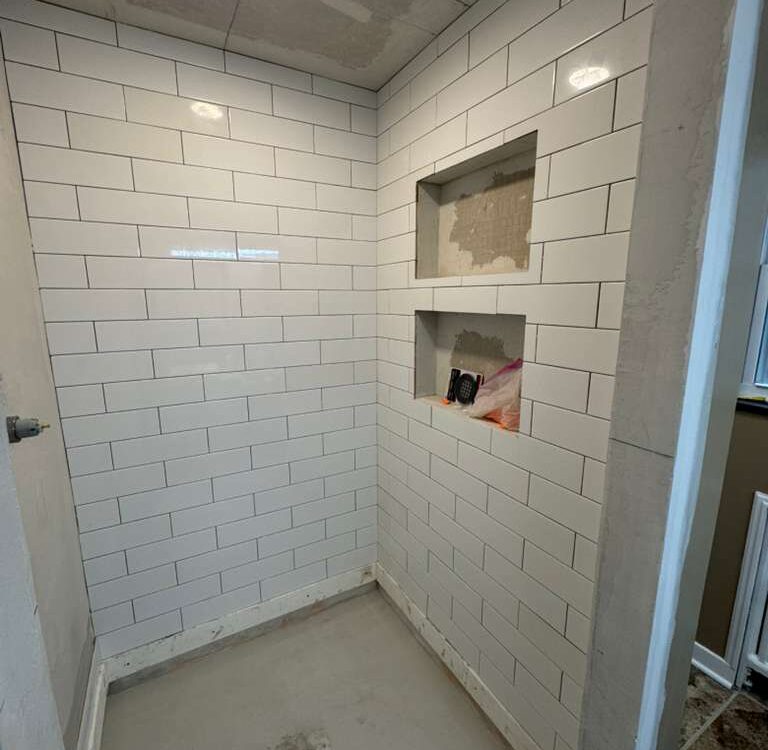
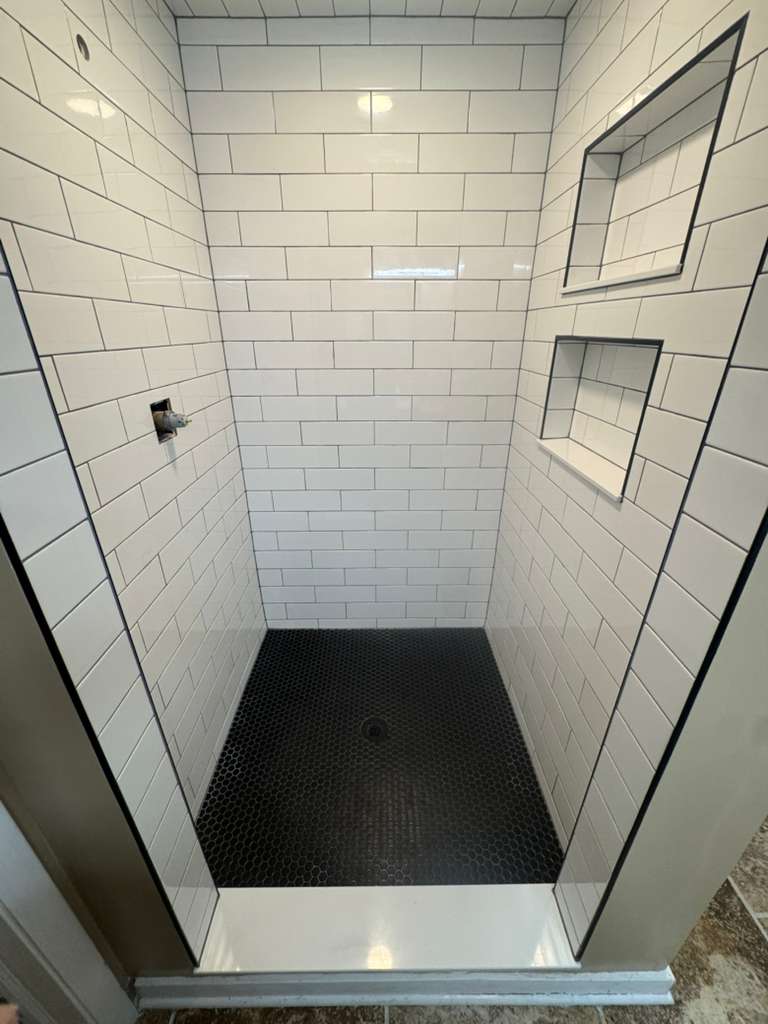
Next, break that budget down by project. Kitchens and bathrooms consistently offer the best return, so they often deserve the largest share. Always set aside 10 to 15% of your total budget as a contingency fund. Older homes especially tend to reveal hidden problems once demolition begins. For a deeper walkthrough on budgeting for your specific situation, check out this guide on How to Set a Realistic Budget for Your Pittsburgh Home Remodel.
What Devalues a House the Most?
Before you spend a dime on upgrades, it is worth understanding what can actually hurt your home’s value. Poor-quality renovations top the list. DIY work done without permits, cheap materials, and sloppy finishes send buyers running. Over-customization is another major culprit. That bold wallpaper or niche home theater might suit your taste, but it narrows your buyer pool significantly.
Removing bedrooms or closets to create larger spaces is also a common mistake. Bedroom count matters to buyers, and reducing it limits your home’s appeal. Neglected curb appeal, outdated kitchens, and aging major systems like HVAC and roofing round out the list of value killers. According to U.S. News Real Estate, projects like swimming pools and garage conversions rarely recoup their costs and can actually turn buyers away.
How Much Remodeling Can Be Done with $100,000?
A six-figure budget sounds generous, but in remodeling terms, it goes faster than you might expect. With $100,000, most homeowners can tackle a full kitchen renovation along with one or two bathroom upgrades. If the home is under 2,000 square feet, you might stretch that budget into a broader refresh that includes new flooring, paint, and updated lighting throughout.
The key is strategic allocation. Spending the entire amount on a single room rarely makes sense unless it is your kitchen and your home’s value justifies it. I have seen homeowners get the most value by splitting funds across high-impact areas: roughly 40% toward the kitchen, 25% toward bathrooms, and the remaining 35% spread across flooring, exterior improvements, and contingency reserves.
Sample $100,000 Budget Breakdown
| Project Area | Budget Allocation | Estimated ROI |
|---|---|---|
| Kitchen Remodel | $40,000 | 75 – 113% |
| Bathroom Upgrades (2) | $25,000 | 60 – 70% |
| Flooring and Paint | $15,000 | 50 – 70% |
| Exterior / Curb Appeal | $10,000 | 80 – 100%+ |
| Contingency Fund | $10,000 | N/A |
What Adds $100,000 to Your House?
Adding $100,000 in actual market value to your home takes a combination of smart upgrades rather than one massive project. Adding livable square footage delivers some of the strongest returns. Research from the National Association of Realtors suggests that every 1,000 square feet added to a home can increase its sale price by at least 30%.
Beyond that, a mid-range kitchen remodel, updated bathrooms, a new roof, and energy-efficient windows can collectively push your property value up substantially. A new garage door alone can deliver over 100% ROI in many markets. Fresh siding, a steel entry door, and professional landscaping are relatively low-cost improvements that signal a well-maintained home. The goal is layering several high-return projects rather than betting everything on one room.
When to Break the 30% Rule
This is a guideline, not a law. There are legitimate reasons to exceed the 30% threshold. If you bought a fixer-upper well below market value, you may need to invest more just to bring the home up to livable standards. Homeowners in high-appreciation neighborhoods where buyers expect premium finishes may also justify going beyond the cap.
The most common exception? This is your forever home. If you plan to stay for a decade or more, your remodeling budget rule can flex to prioritize comfort over strict ROI calculations. Just be honest about your timeline. Life changes unexpectedly, and sticking close to the guideline protects you if plans shift.
Mistakes to Avoid When Planning Your Renovation Budget
The biggest mistake I see homeowners make is skipping the contingency fund entirely. Unexpected costs are not a possibility in renovations. They are a certainty. Budget at least 10 to 15% above your projected costs, and you will thank yourself later when that hidden plumbing issue surfaces.
Another common error is prioritizing cosmetic upgrades over structural necessities. A beautiful backsplash means nothing if your roof is leaking. Following a home remodel spending guide approach means addressing safety and structural concerns first, then moving on to the finishes that make your space feel new. Also, avoid the trap of scope creep. One upgraded room leads to the next, and before you know it, you have doubled your original budget.
Making the 30% Rule in Remodeling Work for You
The 30 percent renovation rule is not about limiting what you can do with your home. It is about making every dollar count. Whether you are planning a single kitchen upgrade or a whole-house transformation, this guideline gives you a clear framework for spending wisely and protecting your investment.
Start with your home’s value, calculate your ceiling, and work backward to prioritize the projects that deliver the greatest impact. Build in a cushion for surprises, focus on high-return improvements, and resist the urge to over-customize. Your future self, and your future buyer, will appreciate the discipline.