The most useful energy efficient home improvements during a remodel are the ones that are easiest to do while the house is already open: insulation and air sealing in walls, attics and basements, better windows and exterior doors, and a tighter exterior shell under new siding. Planning them into a remodel lets you improve comfort without opening the same walls twice.
This guide covers which energy efficient home improvements fit naturally into kitchen, bath, basement, exterior and whole home remodeling in Pittsburgh projects, with a focus on older houses. We will not promise utility savings, because every house and household is different, but we will explain where these upgrades fit and why the timing matters.
Why a Remodel Is the Right Time for Energy Efficient Home Improvements
Many efficiency upgrades are hard to reach in a finished house. Insulating an exterior wall means opening it. Sealing gaps around old window frames means pulling trim. When a remodel already has walls open or siding off, these steps become a small addition to work that is already happening instead of a separate project.
Older Pittsburgh homes are especially good candidates. Many were built long before modern insulation and have had decades of patches, additions and gaps around pipes and wires. Our post on modernizing an older home covers how to make these updates while keeping the character people love.
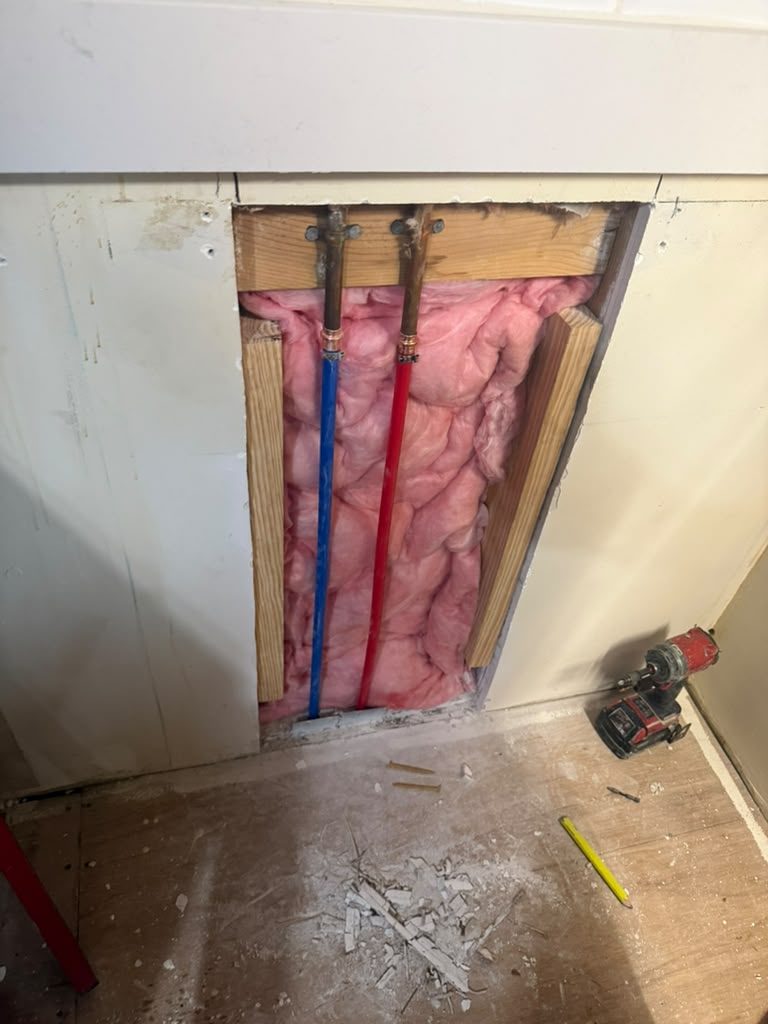
When a wall is opened for plumbing or electrical work, the cavity is right there. That is the moment to make sure it is properly insulated and that gaps around pipes and wires are sealed before drywall goes back on.
This is one of the simplest reasons to plan energy upgrades as part of a remodel instead of as an afterthought.
An opened wall showing pink fiberglass insulation behind new water lines.
Insulation and Air Sealing
Insulation slows heat moving through walls, ceilings and floors. Air sealing stops drafts from leaking through gaps. They work best together, and both are much easier while surfaces are open.
Exterior walls
If a remodel takes walls down to the studs, insulating the cavities before drywall is a natural step. It also helps block sound from outside.
Attics
The attic is a common trouble spot in older homes. If the attic is accessible during a project, it is a good time to look at how much insulation is up there and how well the ceiling below is sealed.
Basements and rim joists
Basement remodels expose foundation walls and the band of framing where the house sits on the foundation, a common source of drafts. Finishing a basement is a natural time to address both.
Gaps around openings
Pipes, wires, vents, windows and doors all pass through the shell of the house. Sealing around them during the remodel stops small drafts that add up.
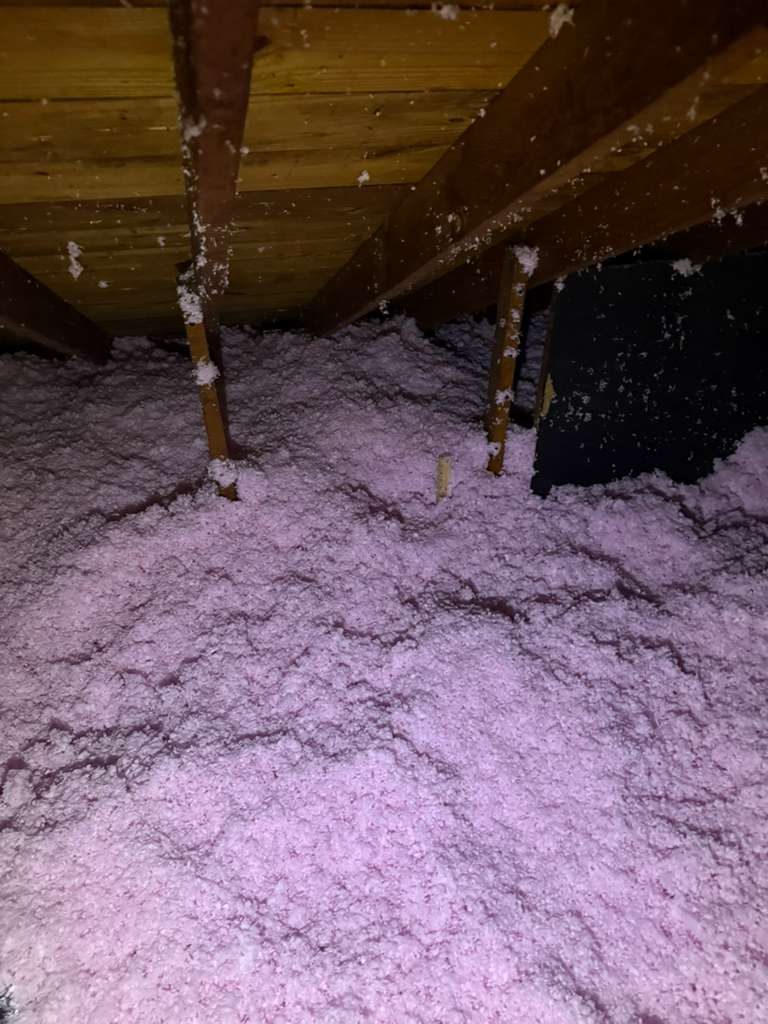
Attic insulation is one of the most common energy efficient home improvements because the attic is usually easier to reach than walls.
Blown in insulation fills between and over the joists. It works best when gaps in the ceiling below have been sealed first.
An attic floor covered with blown in pink insulation between the joists.
Does new insulation add value to a home? It mainly adds comfort: fewer drafts, more even temperatures from room to room and quieter rooms. Those are real improvements to how a house feels to live in, and they are much easier to build in during a remodel than later.
Windows and Exterior Doors
Old windows and doors are a common source of drafts. Replacing them during a remodel lets the crew fix the framing and sealing around each opening at the same time, instead of setting a new unit into an old gap.
- Look for windows with efficiency ratings that suit our climate. The ENERGY STAR windows, doors and skylights program explains the labels
- Pay attention to how each window is installed, flashed and sealed, not just the window itself
- Choose exterior doors with good weatherstripping and a solid threshold
- Consider window placement during a layout change, since natural light can reduce how much you rely on lights during the day
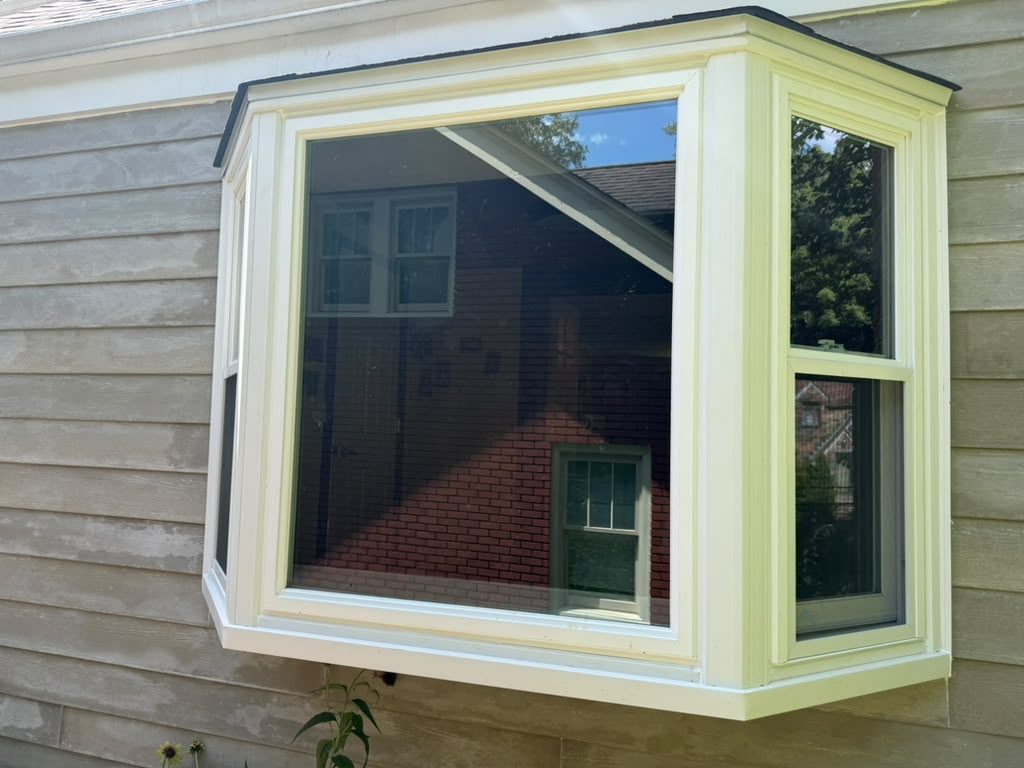
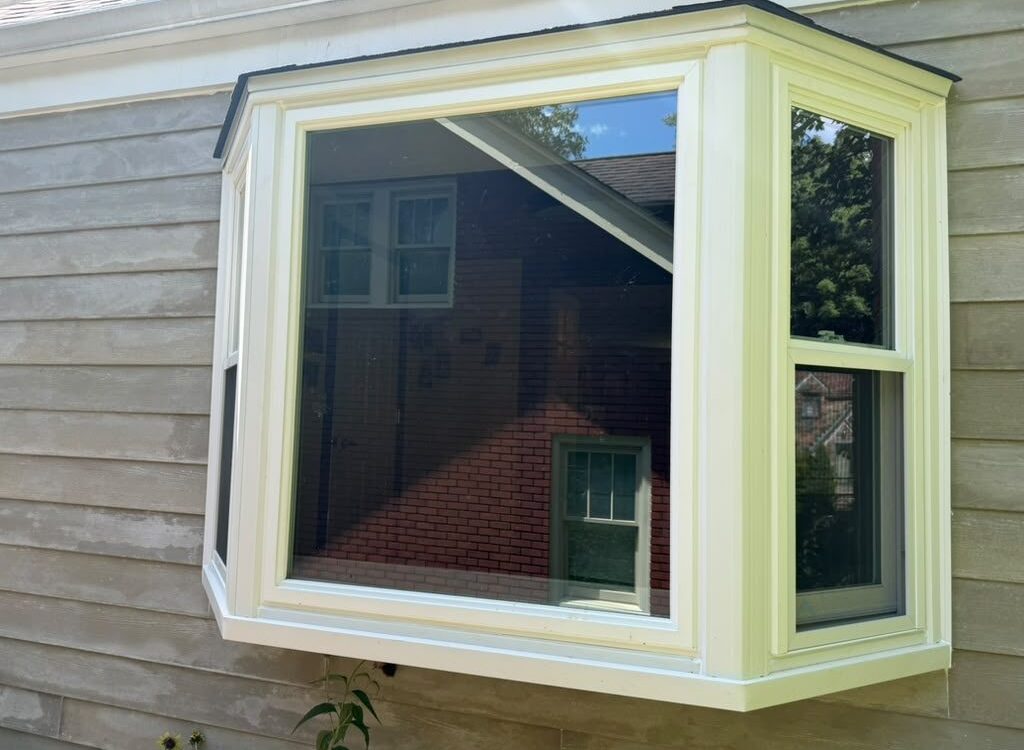
A bay window brings in light and views. When it is installed during a remodel, the opening, the framing below and the trim can all be sealed properly as part of the job.
Window and door replacement fits naturally into our exterior remodeling work when siding or trim is already being replaced.
A new white bay window installed on a home with gray siding.
The Exterior Shell Under New Siding
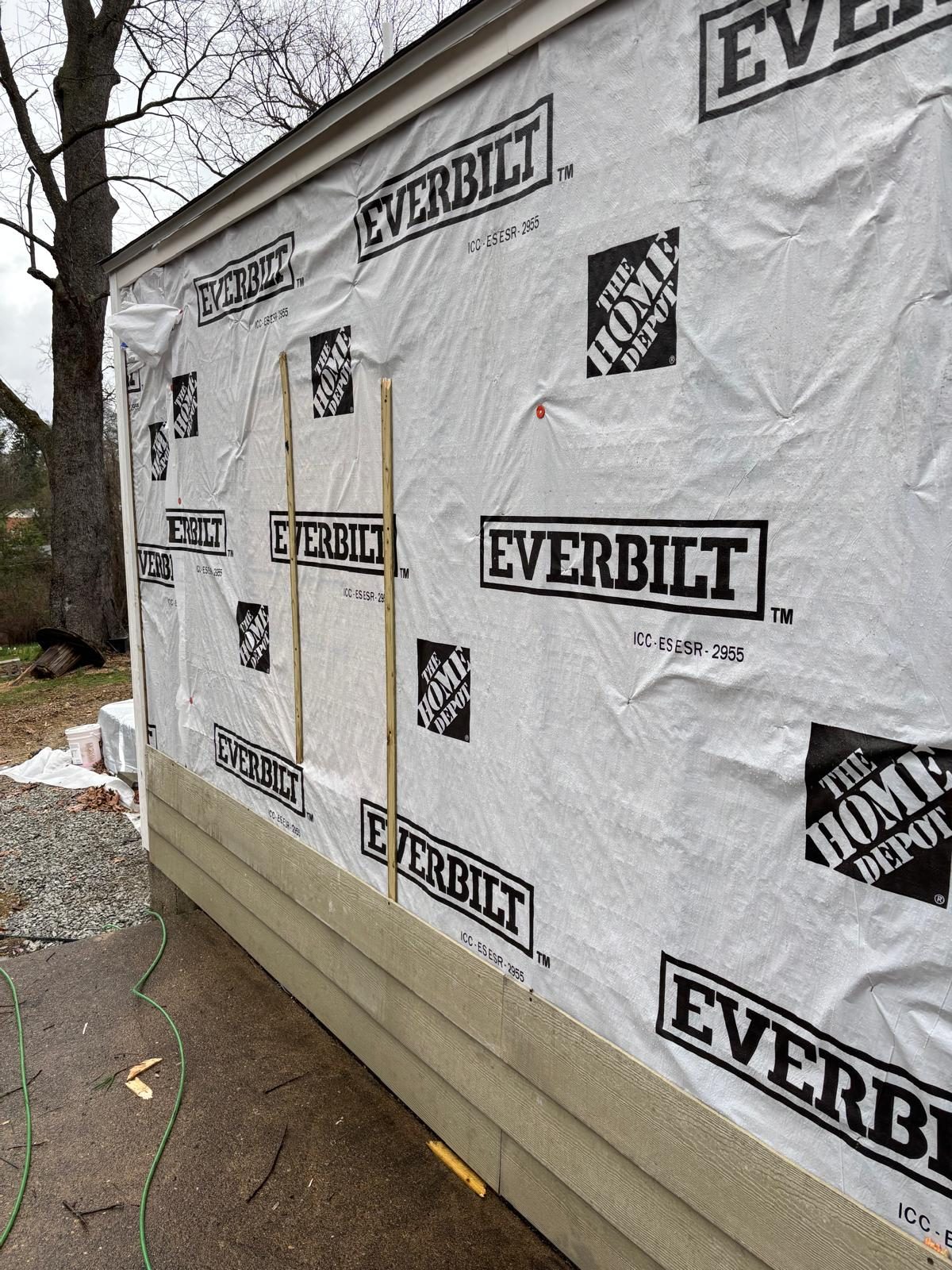
When old siding comes off, the wall underneath is exposed. That is the time to repair damaged sheathing, add house wrap to block wind and water, and seal around windows and doors before new siding goes on. Once the siding is back, none of that is easy to reach again.
House wrap goes over the sheathing and under the siding. It helps keep wind driven air and water out of the wall while letting moisture escape.
This layer disappears behind the finished siding, which is why it has to be planned up front.
House wrap installed over exterior wall sheathing before new siding.
Efficient Choices Inside Kitchens and Bathrooms
Kitchen and bath remodels bring their own efficiency choices. None of them require a separate project, because you are already choosing these items:
Appliances
When you pick new kitchen appliances, compare efficiency labels along with features and finish.
Lighting
LED fixtures and well placed lighting use less energy and give you better light where you actually work.
Plumbing fixtures
Faucets, showerheads and toilets come in water saving models that still perform well. Ask about them in the showroom.
Bathroom ventilation
A properly sized and vented bath fan removes moisture, which protects the new finishes and the framing behind them.
Making an Older Home More Energy Efficient During a Remodel
Older houses reward a careful plan. Before choosing upgrades, walk the house in each season and note where it feels drafty, which rooms run hot or cold and where moisture shows up. Then match the upgrades to the rooms already in the remodel scope.
- If the kitchen or bath walls are coming down, insulate and seal those exterior walls
- If the basement is being finished, deal with the foundation walls and rim joists first
- If siding or windows are being replaced, seal and wrap the shell at the same time
- If you are planning several rooms, our guide on planning a whole home remodel explains how to sequence the work
For general guidance on home energy, the U.S. Department of Energy’s Energy Saver site is a good, neutral reference. Use it alongside a conversation with your contractor about what makes sense for your house.
Frequently Asked Questions
What are the best energy efficient home improvements to make during a remodel?
Insulation and air sealing in any walls, attics or basements being opened, new windows and exterior doors installed and sealed properly, and house wrap under new siding. These are hardest to add later.
Does new insulation add value to a home?
Its main benefit is comfort: fewer drafts, more even temperatures and quieter rooms. It is easiest to add when walls, attics or basements are already open during a remodel.
How can you make an older home more energy efficient during a remodel?
Start with the rooms already in your scope. Insulate and seal exterior walls that are opened, address basement walls and rim joists during a basement finish, and seal the exterior shell when siding or windows are replaced.
Should you replace windows during a remodel?
If your windows are drafty or failing, a remodel is a good time, because the crew can repair and seal the framing around each opening while the area is already being worked on.
Do you need a separate project for energy upgrades?
Usually not. Most of these upgrades fit inside a kitchen, bath, basement, exterior or whole home remodel when they are planned from the start.
Related reading
JL Home Builders is family owned and has been remodeling Pittsburgh homes for over 15 years. To plan energy efficient upgrades into your next project, schedule a free in home consultation.