Not every renovation pays off. In fact, some of the most well-intentioned home upgrades end up doing the exact opposite of what homeowners expect. I have seen it happen more times than I can count. A homeowner pours thousands into a project, only to discover at listing time that it actually drove their property value down.
Understanding home value killers is one of the smartest things you can do before picking up a hammer or hiring a crew. The goal of any renovation should be to improve livability without alienating future buyers. When you know what to avoid, you protect your investment and position your home for a stronger sale.
What Renovations Devalue Your Home?
Certain projects consistently rank among the worst offenders. Removing bedrooms to create oversized master suites, eliminating closets, and doing sloppy DIY work all fall into this category. These changes reduce the functional appeal of a home and send buyers running in the other direction.
Then there are the projects that seem luxurious on paper but fall flat in the real estate market. Swimming pools, bold paint colors, and highly customized rooms are classic things that lower home value. Buyers want to picture themselves in a space. When a home screams someone else’s personality, that becomes nearly impossible.
Poor-Quality DIY Work and Unpermitted Renovations
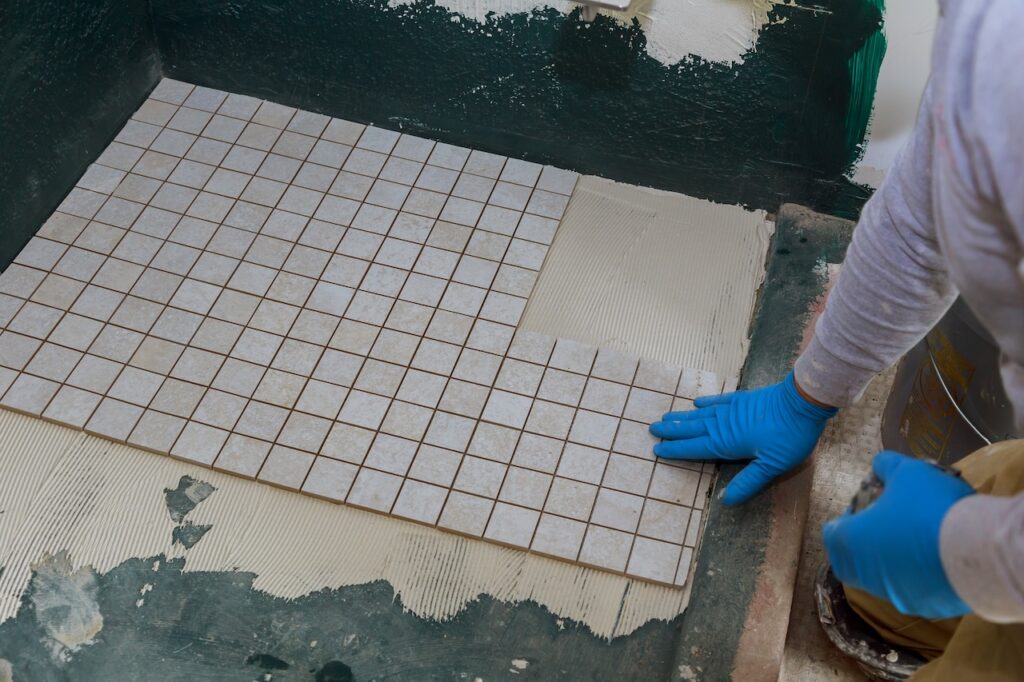
There is a big difference between a weekend warrior project that goes well and one that creates lasting problems. Crooked tile, uneven cabinets, and amateur plumbing repairs stick out like a sore thumb during a home inspection. Buyers see these issues and immediately start calculating repair costs.
Unpermitted work is an even bigger concern. If a renovation was done without proper permits, it can create legal and insurance complications that scare away serious buyers. Always pull the right permits and hire licensed professionals when the project calls for it. It saves headaches down the road and keeps your home’s value intact.
Over-Customization: When Personal Style Hurts Resale
Your home should feel like yours. But when it comes to resale, too much personal flair becomes a liability. Bold accent walls, themed rooms, and niche design choices make buyers feel like they are walking into someone else’s world rather than a potential home of their own.
Converting a garage into a home gym or music studio is another common misstep. Most buyers want a functioning garage. These kinds of house devaluation factors are easy to avoid if you think about broad appeal before committing to a project. Stick with neutral palettes and versatile spaces whenever possible.
What Is the 30% Rule in Remodeling?
The 30% rule is a practical guideline that helps homeowners avoid over-improving. It suggests that you should not spend more than 30% of your home’s current value on any single renovation. Go beyond that threshold, and you risk sinking money into a project you will never recoup.
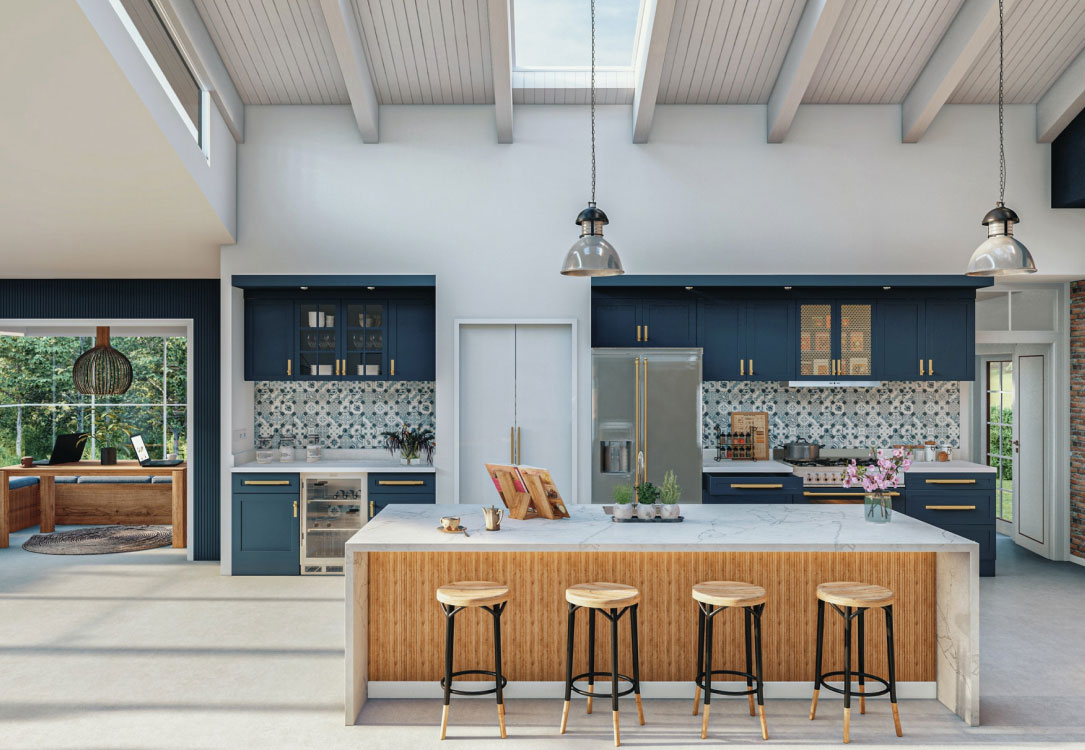
This rule matters most in modest neighborhoods. Installing a $80,000 kitchen in a home valued at $200,000 puts you well over that boundary. Your neighbors’ comparable sales set the ceiling for what buyers will pay, regardless of how stunning your upgrades are. Smart remodeling means matching your investment to your market.
What Devalues a House Most? Expensive, Unwanted Additions
Swimming pools top the list of additions that can backfire. In many markets, buyers view pools as maintenance burdens rather than luxury perks. Insurance costs go up, safety concerns arise for families with kids, and the year-round upkeep is more than most people want to handle.
High-maintenance landscaping, water features, and lavish outdoor kitchens fall into the same trap. These are home value killers because they add ongoing costs that buyers factor into their offer price. A clean, simple yard with good curb appeal will almost always outperform an elaborate outdoor setup when it comes to resale.
Removing Bedrooms and Eliminating Storage
Bedroom count is one of the first things buyers filter for when searching online listings. Knock down a wall to combine two bedrooms into one, and you have just shrunk your buyer pool significantly. Families, remote workers, and investors all value higher bedroom counts.
Closet space is equally important. Removing closets to expand a room might feel spacious to you, but it creates a storage headache for future owners. These are among the most common things that lower home value, and they are surprisingly easy to avoid with a little planning. If you need guidance on navigating renovations wisely, check out this resource on How to Choose the Right Contractor for Your Pittsburgh Remodel.
Common Renovations and Their Impact on Value
| Renovation | Impact on Home Value |
|---|---|
| Swimming Pool Addition | Often negative; seen as a liability in many markets |
| Removing Bedrooms | Negative; reduces buyer pool and appraised value |
| DIY/Unpermitted Work | Negative; raises red flags during inspection |
| Over-Customized Design | Negative; limits buyer appeal |
| Luxury Kitchen in Modest Area | Negative ROI; unlikely to recoup full cost |
| Eliminating Closets/Storage | Negative; buyers prioritize functional storage |
| Carpet Over Hardwood | Negative; hardwood is preferred by most buyers |
| Minor Kitchen/Bath Updates | Positive; strong ROI with mid-range finishes |
What Remodeling Adds the Most Value to a Home?
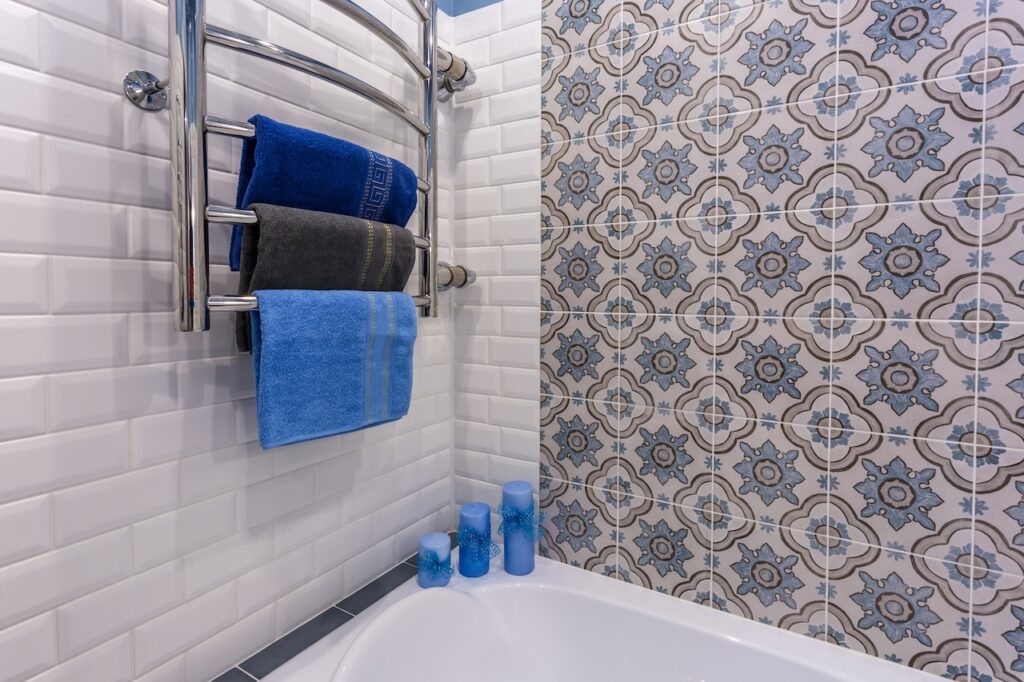
If you want to invest wisely, focus on projects with proven returns. Minor kitchen remodels, bathroom updates, and whole home remodeling done with mid-range materials consistently deliver the best ROI. New flooring, fresh neutral paint, and updated fixtures go a long way without breaking the bank.Energy-efficient upgrades are also worth considering. Replacing old windows, upgrading HVAC systems, and improving insulation appeal to buyers who want lower utility bills. According to U.S. News Real Estate, focusing on practical improvements rather than flashy ones is the surest path to protecting your equity. The key is to keep upgrades in line with your neighborhood and avoid spending beyond what the local market supports.
What Devalues a House the Most? Final Takeaways
The biggest house devaluation factors come down to poor execution, over-personalization, and spending that outpaces your market. Every renovation decision should start with one question: will a future buyer appreciate this? If the answer is uncertain, proceed with caution or skip it entirely.
Protecting your home’s value does not mean avoiding improvements altogether. It means being strategic. Invest in quality work, keep designs neutral and functional, and respect the 30% rule. When you approach remodeling with resale in mind, every dollar you spend works harder for you. The renovations that add the most value are often the least glamorous, and that is exactly the point.