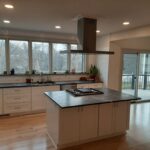
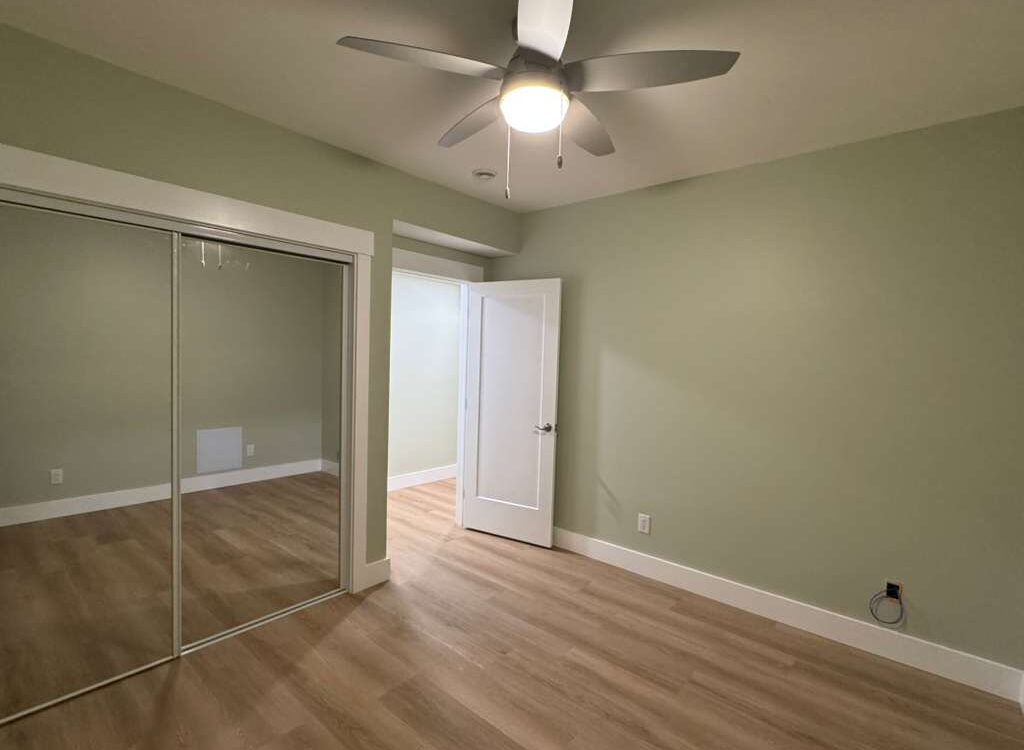
Flooring is one of the most important design decisions you’ll make during a home remodel or new construction project. It affects the look, feel, and functionality of every room in your home, and it’s one of the few elements you interact with constantly. For Pittsburgh homeowners, choosing the right flooring means balancing aesthetics, durability, maintenance requirements, and budget considerations while accounting for our region’s climate and lifestyle needs. At JL Home Builders, we’ve installed countless floors throughout Pittsburgh homes, and we understand which options work best for different spaces, families, and situations.
Hardwood Flooring: Timeless Beauty and Value
Hardwood flooring remains one of the most popular choices for Pittsburgh homes, and for good reason. Real wood floors bring warmth, character, and natural beauty that never goes out of style. They work beautifully in living rooms, dining rooms, bedrooms, and hallways, complementing both traditional and contemporary design styles.
The main advantage of hardwood is its longevity and ability to be refinished multiple times over its lifespan. A quality hardwood floor can last generations if properly maintained. Hardwood also tends to increase home value, with many buyers specifically seeking homes with real wood floors. It’s relatively easy to clean and doesn’t trap allergens the way carpet does, making it a good choice for people with allergies or asthma.
However, hardwood has some drawbacks to consider. It’s susceptible to water damage, scratching, and denting, making it a poor choice for bathrooms, laundry rooms, or mudrooms. Pittsburgh’s humidity fluctuations can cause hardwood to expand and contract, potentially leading to gaps or cupping if not properly acclimated and installed. Hardwood is also one of the more expensive flooring options, both for materials and professional installation. It can be cold underfoot in winter and may feel hard on joints for people who stand for long periods.
Engineered Hardwood: The Practical Alternative
Engineered hardwood consists of a real wood veneer on top of multiple layers of plywood or high-density fiberboard. This construction makes it more dimensionally stable than solid hardwood, meaning it handles humidity changes better and is less likely to warp or gap. For Pittsburgh’s climate with its seasonal humidity swings, this can be a significant advantage.
Engineered hardwood looks virtually identical to solid hardwood once installed and costs somewhat less. It can be installed over concrete slabs and in below-grade spaces like finished basements where solid hardwood isn’t recommended. Some engineered products can be refinished once or twice, though not as many times as solid hardwood.
The main limitation is that the wear layer (real wood veneer) is thinner than solid hardwood, so it can’t be sanded and refinished as many times. Quality varies significantly between products, with some budget options having very thin wear layers that can’t be refinished at all. Like solid hardwood, engineered wood is still vulnerable to water damage and shouldn’t be used in bathrooms or other wet areas.
Luxury Vinyl Plank: Versatility and Value
Luxury vinyl plank (LVP) has exploded in popularity over the past decade, and it’s easy to see why. Modern LVP products look remarkably realistic, mimicking hardwood with impressive accuracy at a fraction of the cost. The technology has improved dramatically, with better textures, patterns, and installation systems that create a premium look and feel.
LVP is completely waterproof, making it suitable for any room including bathrooms, kitchens, laundry rooms, and basements. It’s highly durable and scratch-resistant, standing up well to pets, kids, and heavy traffic. It’s comfortable underfoot, quieter than hard surfaces, and warmer than tile or stone. Installation is often straightforward with click-lock systems that float over existing subfloors, making it a popular choice for DIY projects or quick renovations.
The downsides are primarily aesthetic and environmental. While LVP looks better than ever, it’s still not real wood, and discerning eyes can usually tell the difference. It’s a synthetic product made from vinyl, which raises environmental concerns for some homeowners. Quality varies enormously between products, with cheap options looking obviously fake and wearing poorly. LVP won’t add the same resale value as real hardwood, though it’s certainly acceptable to most buyers.
Tile: Durability for High-Traffic Areas
Ceramic and porcelain tile are excellent choices for bathrooms, kitchens, entryways, and other high-traffic or wet areas. Tile is extremely durable, water-resistant, and easy to clean. Modern tile comes in an incredible variety of styles, sizes, colors, and patterns, including products that convincingly mimic wood or natural stone.
Porcelain tile is denser and more water-resistant than ceramic, making it the better choice for bathrooms and outdoor applications. Large-format tiles create a more modern, seamless look with fewer grout lines, while smaller tiles like mosaics offer more design flexibility and better traction in wet areas like shower floors.
The main drawbacks of tile are that it’s cold and hard underfoot, which can be uncomfortable in bedrooms or living areas where you spend time standing or sitting on the floor. It’s also unforgiving if you drop dishes or glassware. Professional installation is important for a quality result, as poorly installed tile can crack, shift, or develop lippage (uneven edges between tiles). Grout lines require periodic maintenance to prevent staining and mildew, especially in bathrooms.
Carpet: Comfort and Warmth
Carpet remains popular for bedrooms, family rooms, and finished basements where comfort and warmth are priorities. It’s soft underfoot, provides cushioning, reduces noise, and creates a cozy atmosphere. For Pittsburgh homes with cold winters, carpet makes rooms feel warmer and more inviting.
Modern carpet technology has improved stain resistance and durability significantly. Many products now resist common stains from food, beverages, and pets. Carpet is available in numerous styles, colors, and textures to match any design aesthetic, from plush cut pile to durable berber to trendy patterned options.
However, carpet has significant drawbacks that have reduced its popularity in recent years. It traps dust, allergens, and pet dander, making it problematic for people with allergies or respiratory issues. It stains more easily than hard surfaces despite stain-resistant treatments. Carpet shows wear patterns over time, especially in high-traffic areas, and typically needs replacement every ten to fifteen years. It’s not suitable for bathrooms, kitchens, or other areas prone to moisture. Many home buyers prefer hard surface flooring, so wall-to-wall carpet may not add value to your home the way other flooring options do.
Natural Stone: Luxury and Uniqueness
Natural stone like marble, travertine, slate, or limestone creates a high-end look that’s truly unique since no two pieces are identical. Stone works beautifully in entryways, bathrooms, and kitchens, bringing natural beauty and substantial feel to a space.
Stone is extremely durable and long-lasting when properly maintained. It can handle moisture well, though some types are more porous than others. The weight and solidity of stone flooring creates a sense of permanence and quality that other materials can’t quite match.
The challenges with natural stone include high material and installation costs, regular maintenance requirements including periodic sealing, susceptibility to staining and etching from acidic substances, cold temperature underfoot, and hardness that can be uncomfortable for extended standing. Some stones like marble are softer and more prone to scratching or etching than others.
Matching Flooring to Room Function
Choosing the right flooring means considering each room’s specific needs and usage patterns. For kitchens, LVP or tile work best due to water resistance and easy cleaning. For bathrooms, tile or LVP are the only practical choices due to moisture exposure. Living rooms and dining rooms can accommodate any flooring type based on your preferences, with hardwood being the traditional choice. Bedrooms often benefit from carpet for comfort, though hardwood or LVP work well too. Basements need moisture-resistant options like LVP, engineered hardwood, or tile. Entryways and mudrooms require durable, easy-to-clean surfaces like tile or LVP.
Think about your household’s specific situation too. Families with pets may want highly durable, scratch-resistant options like LVP or tile. Homes with children need flooring that can handle spills, drops, and heavy use. People with mobility issues or who spend lots of time standing may prefer softer surfaces. If resale value is a priority, hardwood in main living areas typically offers the best return.
Installation and Long-Term Costs
When budgeting for new flooring, consider both upfront and long-term costs. Hardwood and tile have higher initial costs but last longer with proper care. LVP and carpet cost less upfront but may need replacement sooner. Factor in installation costs, which vary significantly by material and whether you can DIY or need professional installation. Consider maintenance costs including cleaning products, periodic refinishing or sealing, and eventual replacement.
Professional installation is crucial for most flooring types. Poor installation can lead to premature failure, voided warranties, and costly repairs. At JL Home Builders, we ensure proper subfloor preparation, correct installation techniques, appropriate transitions between rooms and flooring types, and quality control throughout the process.
Ready to upgrade your Pittsburgh home’s flooring? JL Home Builders helps homeowners select and install the perfect flooring for every room. Our experienced team understands which products work best for Pittsburgh’s climate and can guide you through options that fit your style, budget, and lifestyle. Contact us today for a free consultation and let’s discuss your flooring project.