
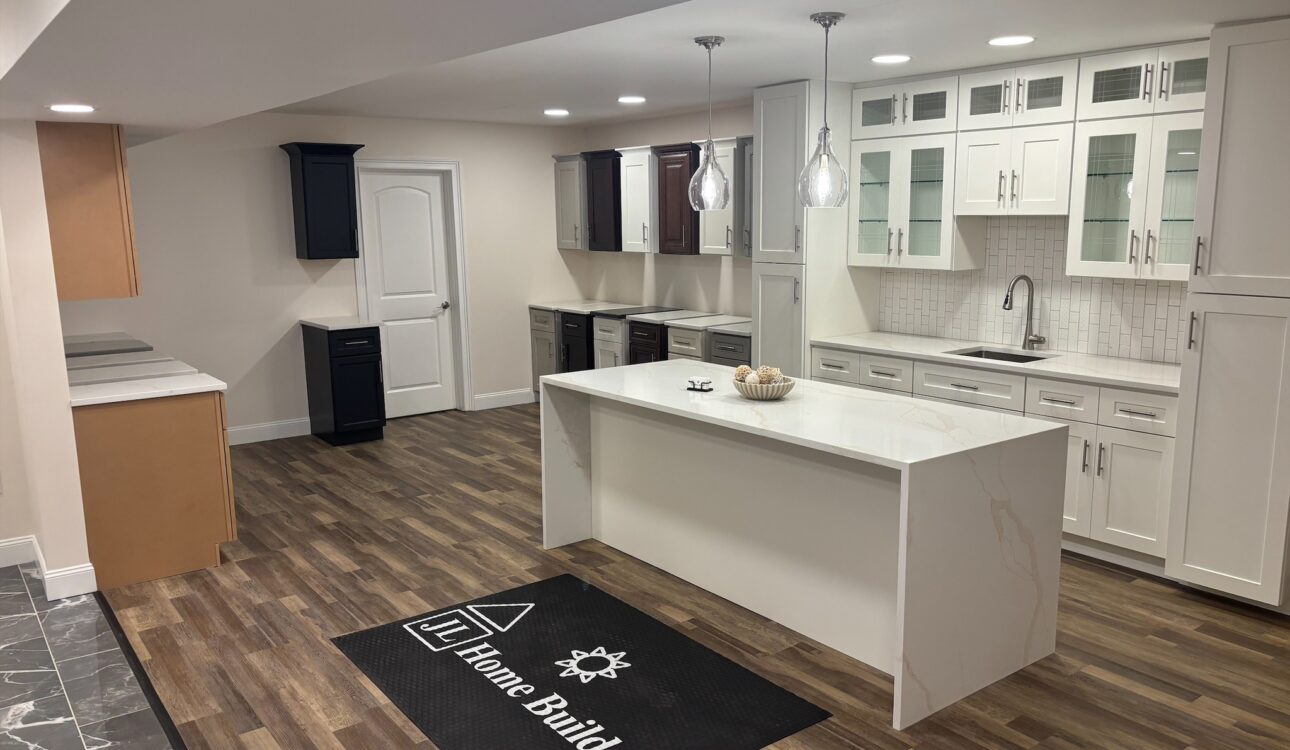
Choosing the right contractor is one of the most important decisions you’ll make during your home remodeling project. A skilled, reliable contractor can turn your vision into reality while keeping the project on schedule and within budget. A poor choice can lead to cost overruns, delays, substandard work, and endless frustration. For Pittsburgh homeowners planning a remodel, finding a trustworthy contractor who understands local building codes, works well with city permit processes, and has experience with our area’s unique housing stock is essential for a successful project.
Start with Research and Recommendations
Begin your search by gathering recommendations from people you trust. Ask friends, family members, and neighbors who’ve completed similar projects about their experiences. Personal referrals often lead to the best contractor matches because you can see the work firsthand and get honest feedback about communication, reliability, and quality.
Check online reviews on platforms like Google, Yelp, and the Better Business Bureau. Look for patterns in reviews rather than focusing on individual complaints. Every contractor occasionally has a dissatisfied customer, but consistent issues with communication, quality, or billing are red flags. Pay attention to how contractors respond to negative reviews, as this shows their professionalism and commitment to customer satisfaction.
Local building supply stores and design showrooms often have relationships with reputable contractors and can provide recommendations. Real estate agents, architects, and interior designers also work regularly with contractors and can suggest professionals they trust. Professional organizations like the National Association of the Remodeling Industry (NARI) maintain directories of members who meet certain standards and commit to ethical business practices.
Verify Credentials and Insurance
Before seriously considering any contractor, verify they have proper licensing, insurance, and bonding. In Pennsylvania, home improvement contractors must register with the Office of Attorney General and carry liability insurance. Ask for proof of general liability insurance and workers’ compensation coverage. Don’t take a contractor’s word for it; contact the insurance company directly to verify current coverage.
Check that the contractor’s business license is current and in good standing. Verify there are no outstanding complaints or legal actions against them through the Better Business Bureau and Pennsylvania Attorney General’s office. Ask how long they’ve been in business and whether they’re established locally. While newer contractors can do excellent work, established businesses with years of local experience often provide more security and accountability.
Confirm the contractor pulls proper permits for work that requires them. In Pittsburgh, most significant remodeling work requires building permits. A contractor who suggests skipping permits to save time or money is putting you at risk of fines, forced removal of work, and future complications when selling your home.
Interview Multiple Contractors
Never hire the first contractor you talk to without comparison shopping. Interview at least three contractors to compare their approaches, prices, and personalities. During initial meetings, explain your project clearly and ask how they would approach it. Good contractors ask detailed questions about your needs, budget, timeline, and expectations rather than immediately providing estimates.
Ask about their experience with projects similar to yours. A contractor who primarily builds additions may not be the best choice for a detailed kitchen remodel, and vice versa. Request to see examples of their work, either through photos or by visiting completed projects if possible. Pay attention to the quality of finishes, attention to detail, and overall craftsmanship.
Discuss their typical project timeline and how many projects they handle simultaneously. A contractor spread too thin may not give your project adequate attention. Ask who will be on-site daily, whether they use subcontractors or employ their own crews, and who supervises the work. Understanding the team structure helps you know what to expect during construction.
Get Detailed Written Estimates
Request detailed written estimates from each contractor you’re seriously considering. A professional estimate should include a complete scope of work describing exactly what will be done, specific materials and products to be used including brands and model numbers where applicable, labor costs broken down by phase or trade, project timeline with start and completion dates, payment schedule tied to project milestones, and how change orders will be handled.
Be wary of estimates that seem too good to be true or are significantly lower than others without clear explanation. The lowest bid often means corners will be cut, cheap materials will be used, or the contractor has misunderstood the project scope. While you don’t necessarily need to choose the most expensive bid, be skeptical of outliers in either direction.
Compare estimates carefully, ensuring you’re comparing apples to apples. One contractor might include demolition and disposal while another assumes you’ll handle it. One might specify premium materials while another quotes builder-grade products. Make sure you understand exactly what’s included and excluded in each estimate.
Check References Thoroughly
Any reputable contractor should readily provide references from recent clients. Don’t skip this step; actually contact the references and ask specific questions. Find out if the project was completed on time and within budget, how the contractor handled any problems or unexpected issues that arose, whether they would hire this contractor again, and if there were any surprises or concerns during the project.
If possible, ask to see the completed work. Photos don’t always reveal quality issues that become apparent in person. Visit completed projects to see craftsmanship up close and ask homeowners about their experience beyond what they might share in a brief phone call.
Be cautious if a contractor can’t or won’t provide references, provides only very old references, or seems to avoid this step. Contractors proud of their work are happy to let satisfied customers speak for them.
Evaluate Communication and Professionalism
Pay close attention to how contractors communicate throughout the hiring process. Do they return calls and emails promptly? Do they show up on time for appointments? Are they respectful and professional in interactions? These behaviors during the courtship phase are often the best they’ll be; if communication is poor before you’ve signed a contract, it will likely get worse during the project.
A good contractor listens to your ideas and concerns, offers suggestions based on experience, and explains options clearly without talking down to you. They should be willing to answer questions patiently and provide information to help you make informed decisions. Be wary of contractors who pressure you to decide quickly, dismiss your concerns, or seem annoyed by questions.
Understand the Contract
Before signing anything, read the contract carefully and make sure you understand every term. A solid contract should include the complete scope of work, specific materials and products to be used, total project cost and payment schedule, start and completion dates, how changes and additions will be handled, warranty information, cleanup and disposal procedures, and dispute resolution process.
Never agree to pay the full amount upfront. Legitimate contractors don’t need large down payments to get started. A typical payment schedule involves an initial deposit, progress payments tied to completion milestones, and final payment when the work is done to your satisfaction. Be suspicious of contractors who demand cash payments or suggest arrangements that avoid paper trails.
Make sure the contract includes a clause about obtaining necessary permits and describes what happens if the timeline extends due to weather, material delays, or other factors beyond the contractor’s control. Understand your rights to terminate the contract if necessary and what penalties or obligations that would involve.
Trust Your Instincts
After doing your research, checking credentials, comparing estimates, and meeting with contractors, trust your gut feeling about who you want to work with. You’ll be interacting with this person regularly for weeks or months, they’ll be in your home daily, and you need to trust them with a significant investment. If something feels off about a contractor despite good credentials and references, it’s okay to keep looking.
The right contractor will make you feel confident in their abilities, comfortable with their communication style, and assured that they understand and respect your vision for the project. They should balance professionalism with approachability, expertise with flexibility, and business acumen with genuine care about doing quality work.
Red Flags to Watch For
Certain warning signs should make you reconsider a contractor regardless of other factors. Run away from contractors who won’t provide proof of insurance or licensing, refuse to pull necessary permits, demand large upfront payments or cash only, can’t or won’t provide references, pressure you to sign immediately, have numerous unresolved complaints with the Better Business Bureau, or use high-pressure sales tactics.
Also be cautious of contractors who significantly underbid competitors without explanation, seem disorganized or unprofessional, are vague about project details or timelines, or don’t have a physical business address or legitimate business phone number. These red flags often indicate contractors who won’t be around to address problems or warranty issues after the work is complete.
Working with Your Chosen Contractor
Once you’ve selected a contractor and signed the contract, maintain good communication throughout the project. Establish regular check-ins to discuss progress, address concerns, and make any necessary decisions. Be available to answer questions and make selections on schedule to avoid delays. Document everything including conversations about changes, photos of work in progress, and any concerns that arise.
Pay according to the agreed schedule but inspect work before releasing payment for each phase. Don’t be afraid to point out issues or ask for corrections. Reputable contractors want you to be satisfied and will address legitimate concerns professionally. Keep the relationship respectful and professional even when problems arise, as a collaborative approach leads to better outcomes than an adversarial one.
Looking for a reliable contractor for your Pittsburgh remodel? JL Home Builders brings years of experience, proper licensing and insurance, and a commitment to quality craftsmanship to every project. We work closely with Pittsburgh homeowners to bring their visions to life while maintaining clear communication and staying on schedule and budget. Contact us today for a free consultation and let’s discuss your remodeling project.