Energy-efficient home improvements do double duty by reducing your monthly utility bills while making your Pittsburgh home more comfortable year-round. With our region’s cold winters, hot humid summers, and significant heating and cooling costs, strategic energy upgrades can produce substantial savings over time. Many improvements also qualify for tax credits and rebates that reduce upfront costs, and energy-efficient features increasingly appeal to home buyers. At JL Home Builders, we help Pittsburgh homeowners identify which energy upgrades will provide the best return on investment for their specific homes and situations.
Understanding Energy Loss in Pittsburgh Homes
Before investing in energy improvements, it helps to understand where your home loses energy. Pittsburgh’s older housing stock presents specific challenges. Many homes were built before modern insulation standards existed, leaving walls, attics, and basements poorly insulated or not insulated at all. Single-pane windows common in older homes provide minimal insulation value and allow significant heat transfer. Air leakage through gaps, cracks, and unsealed penetrations can account for substantial energy loss even in homes with decent insulation.
Heating systems in older homes are often outdated and inefficient compared to modern equipment. Ductwork may be poorly sealed or uninsulated, losing conditioned air before it reaches living spaces. Water heaters, appliances, and lighting in older homes typically consume more energy than necessary. Understanding your home’s specific energy issues helps you prioritize improvements that will make the biggest difference for your investment.
Consider getting a professional energy audit to identify your home’s biggest energy wasters. Many utility companies offer subsidized or free energy assessments that use infrared cameras, blower door tests, and other diagnostic tools to pinpoint where improvements will help most. These audits take the guesswork out of prioritizing upgrades and often reveal issues you wouldn’t notice otherwise.
Attic Insulation: The Highest Return Improvement
Adding or upgrading attic insulation typically provides the best return on investment of any energy improvement. Heat rises, so inadequate attic insulation allows expensive heated air to escape during winter and lets summer heat penetrate into living spaces. Many Pittsburgh homes have minimal attic insulation installed decades ago that has settled, deteriorated, or never met adequate standards to begin with.
Current recommendations call for attic insulation values significantly higher than what exists in most older homes. Adding insulation to meet current standards can cut heating and cooling costs substantially. The work is relatively straightforward for accessible attics, making it one of the more affordable major energy improvements. Blown-in cellulose or fiberglass insulation fills spaces thoroughly and works around obstacles like wiring and ductwork.
Before adding attic insulation, address air sealing. Gaps around chimneys, plumbing penetrations, attic hatches, and recessed lights allow air to bypass insulation. Sealing these leaks before insulating prevents warm air from escaping through gaps into the attic. Also ensure adequate attic ventilation to prevent moisture problems that can damage insulation and roof structures. Proper ventilation allows moisture to escape while maintaining insulation effectiveness.
Air Sealing: Stopping Drafts and Leaks
Air sealing addresses the gaps and cracks that allow conditioned air to escape and outside air to infiltrate your home. This improvement costs relatively little but can significantly reduce energy bills and improve comfort. Common air leakage points include gaps around windows and doors, electrical outlets and switches on exterior walls, where different building materials meet, around pipes and wires entering the home, and at attic hatches and pull-down stairs.
Weatherstripping doors and windows stops air movement at these openings. Door sweeps on exterior doors eliminate gaps at the bottom. Caulk seals cracks and gaps in stationary components. Foam gaskets behind outlet and switch covers on exterior walls reduce air infiltration. Spray foam or other sealants close larger gaps around pipes, wires, and other penetrations.
Air sealing works best when combined with adequate insulation. Insulation slows heat transfer, but air leaks allow actual air movement that bypasses insulation. Together, these improvements create a tight thermal envelope that keeps conditioned air inside and weather outside. The combination typically produces more savings than either improvement alone.
Window Upgrades: Balancing Cost and Benefit
Windows significantly impact home energy efficiency, but replacement windows are expensive relative to the energy savings they produce. In many cases, other improvements provide better return on investment. However, windows also affect comfort, noise reduction, home appearance, and maintenance, so the decision involves more than just energy calculations.
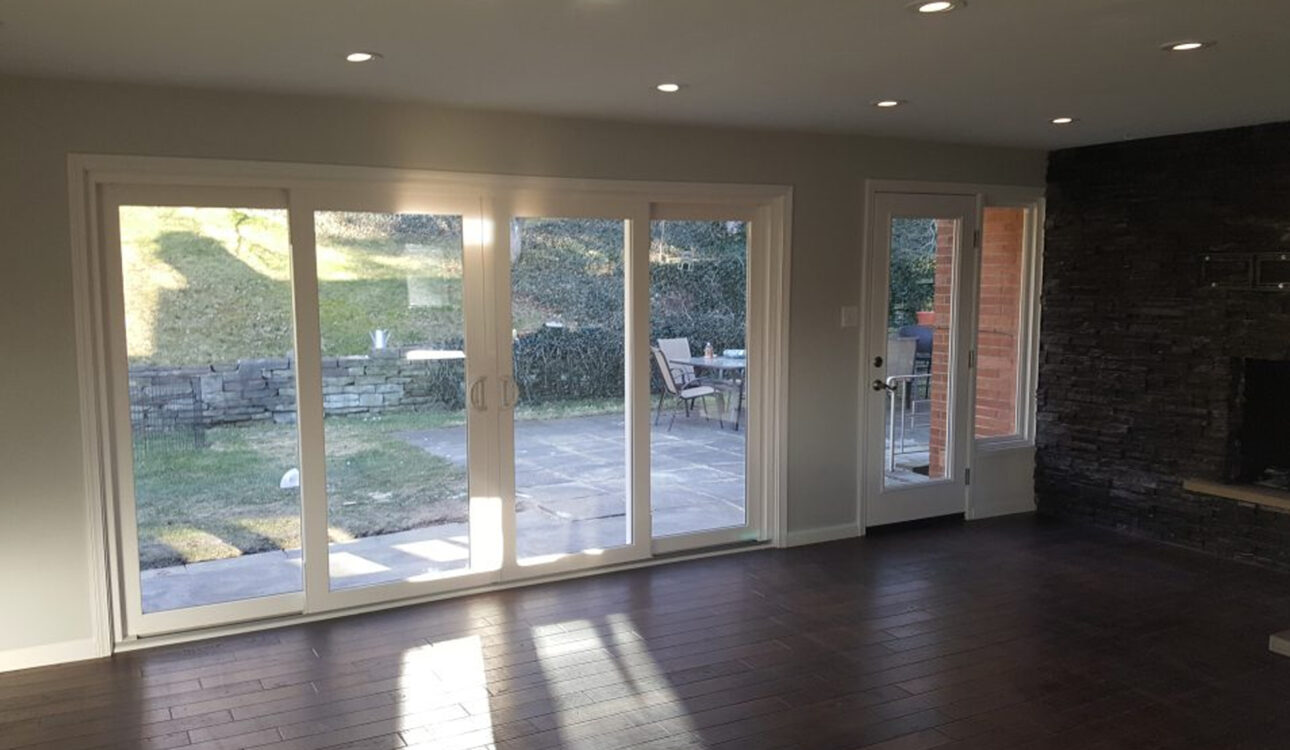
If your home has original single-pane windows, upgrading to modern double or triple-pane windows with low-emissivity coatings can reduce energy loss substantially. These windows also reduce condensation, improve comfort near windows, and decrease outside noise. For Pittsburgh’s climate, look for windows with good insulation values for both summer and winter performance.
If window replacement isn’t in your budget, storm windows provide many benefits at lower cost. Quality exterior or interior storm windows create an insulating air space similar to double-pane windows and protect original windows from weather. This approach works well for Pittsburgh’s historic homes where maintaining original windows preserves architectural character while improving energy performance.
Window treatments also affect energy efficiency. Cellular shades trap air in honeycomb structures, providing additional insulation. Heavy curtains or insulated window panels reduce heat loss at night. These low-cost solutions complement window improvements and provide flexibility to adjust insulation based on weather and time of day.
Heating System Upgrades
Heating costs typically represent the largest portion of energy bills in Pittsburgh homes. Upgrading from an old, inefficient furnace or boiler to modern high-efficiency equipment can cut heating costs significantly. Modern condensing furnaces and boilers extract more heat from fuel than older conventional equipment, converting more of your energy dollars into actual heat rather than waste.
If you’re heating with an old furnace or boiler that’s fifteen to twenty years old or more, replacement likely makes financial sense even if the old equipment still functions. Calculate potential savings based on the efficiency difference between your current system and new equipment, then compare savings over time against the replacement cost. Don’t forget to factor in utility rebates and tax credits that reduce the effective cost of new high-efficiency equipment.
Heat pumps offer another option for Pittsburgh homes, particularly newer cold-climate heat pumps that work effectively even in our coldest weather. These systems provide both heating and cooling efficiently, potentially replacing both your furnace and air conditioner. While heat pumps have higher upfront costs than traditional furnaces, the combination of heating and cooling in one system plus excellent efficiency can provide good long-term value.
Programmable or smart thermostats reduce heating costs by automatically adjusting temperature when you’re away or sleeping. Setting back temperature when you don’t need full heating saves energy without sacrificing comfort when you’re home and active. Smart thermostats learn your patterns and can be controlled remotely, providing both convenience and energy savings.
Water Heating Efficiency
Water heating represents a significant portion of home energy costs, but improvements in this area are often overlooked. If you have an old conventional storage water heater, upgrading to a high-efficiency model or switching to a tankless water heater can reduce water heating costs substantially. Modern storage water heaters have much better insulation than older models, reducing standby heat loss when water sits unused in the tank.
Tankless water heaters heat water on demand rather than maintaining a tank of hot water constantly. This eliminates standby losses and provides endless hot water, though the higher upfront cost means the payback period is longer than for efficient storage heaters. Tankless heaters work well for Pittsburgh homes but may require gas line upgrades or electrical service improvements depending on the model and your home’s existing systems.
Heat pump water heaters extract heat from surrounding air to heat water, using much less energy than conventional electric water heaters. These work well in basements or other spaces where removing heat from the air isn’t problematic. In Pittsburgh’s climate, they typically save significant energy compared to electric resistance water heaters, though they cost more upfront than conventional models.
Simple water heater improvements include insulating hot water pipes to reduce heat loss as water travels to fixtures, lowering water heater temperature settings to reduce standby losses and scalding risk, draining sediment from tank water heaters annually to maintain efficiency, and installing low-flow fixtures that reduce hot water use without sacrificing performance.
Insulating Walls and Basements
Wall insulation improvements are more complex and expensive than attic insulation but can significantly improve comfort and reduce energy bills. Many Pittsburgh homes have little or no wall insulation, making them cold in winter despite adequate heating. Adding insulation to exterior walls typically requires either removing interior wall surfaces or drilling holes to blow insulation into wall cavities from inside or outside.
Dense-pack cellulose or spray foam can be installed in wall cavities without removing all the drywall or plaster, though this approach has limitations. Some areas may be inaccessible, and you can’t visually verify complete filling. If you’re already planning interior renovation work that involves opening walls, adding insulation at that time makes excellent sense and avoids paying separately for access.
Basement insulation prevents heat loss through foundation walls and improves comfort in finished basement spaces. Rigid foam insulation installed on basement walls provides good thermal performance, moisture resistance, and protection for foundation waterproofing. If you’re finishing a basement, insulate as part of that project. For unfinished basements, insulating may not be a priority unless you have specific comfort issues or plan to condition basement spaces.
Upgrading Appliances and Lighting
Modern appliances use considerably less energy than older models, particularly refrigerators, dishwashers, and washing machines. If you have appliances more than ten years old, replacement with energy-efficient models can reduce energy costs while providing improved performance. Look for products with good energy ratings and features like soil sensors that adjust water and energy use based on actual needs rather than running full cycles regardless of load.
LED lighting has revolutionized home lighting efficiency. LEDs use a fraction of the energy of incandescent bulbs and last far longer, reducing both energy costs and replacement frequency. They’re available in various color temperatures to match any preference from warm to cool light. The upfront cost is higher than traditional bulbs, but the lifetime savings in energy and replacement costs more than justify the investment. Replace your most-used lights first to maximize savings, focusing on fixtures that run many hours daily.
Taking Advantage of Incentives
Various incentive programs help offset the cost of energy improvements, making upgrades more affordable and improving return on investment. Federal tax credits cover portions of costs for qualifying improvements including insulation, windows, doors, heating and cooling equipment, and water heaters. State and local utility companies offer rebates for specific improvements, sometimes covering significant portions of upgrade costs. Local programs through organizations focused on energy efficiency sometimes provide additional support.
Research available incentives before starting projects to ensure your planned improvements qualify and you meet any requirements for documentation or pre-approval. Keep all receipts, product specifications, and installation documentation as you’ll need these to claim credits and rebates. Work with contractors familiar with energy efficiency programs who can guide you through requirements and help maximize available incentives.
Ready to improve your Pittsburgh home’s energy efficiency? JL Home Builders helps homeowners identify and implement energy improvements that provide real savings and improved comfort. Our team understands Pittsburgh’s climate challenges and can recommend upgrades that make sense for your home and budget. Contact us today for a consultation and let’s discuss how energy-efficient improvements can benefit your home.