
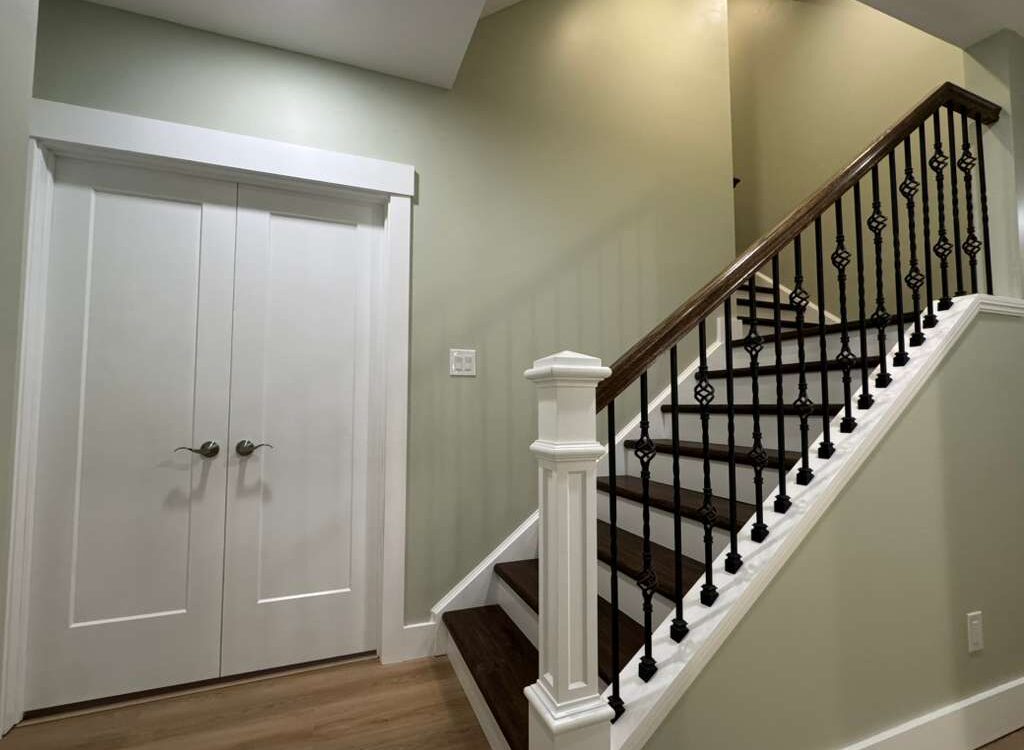
A major home renovation is exciting, but it also requires significant planning and preparation to ensure everything goes smoothly. Whether you’re remodeling your kitchen, adding a bathroom, finishing your basement, or undertaking a whole-home renovation in your Pittsburgh property, the preparation work you do before construction begins can make the difference between a stressful experience and a successful project. At JL Home Builders, we’ve guided countless Pittsburgh homeowners through major renovations, and we know that proper preparation sets the foundation for a smooth, efficient remodeling process.
Establish Your Budget and Timeline
Before any hammers start swinging, you need a clear understanding of what you can afford and how long the project will take. Start by getting detailed estimates from reputable contractors. Don’t just look at the bottom line; understand what’s included and what might cost extra. Build in a contingency fund of at least 10-20% for unexpected issues, which are especially common in Pittsburgh’s older homes where hidden problems like outdated wiring, plumbing issues, or structural concerns often emerge once walls are opened.
Your timeline should be realistic and account for potential delays. Weather can impact construction schedules, especially for exterior work during Pittsburgh’s unpredictable winters and rainy springs. Material delivery delays, permit processing times, and scheduling conflicts can also extend timelines. Knowing this upfront helps you plan your temporary living arrangements and set realistic expectations for when you’ll be able to use your newly renovated spaces.
Secure Necessary Permits and Approvals
Most major renovations in Pittsburgh require building permits from the city. Your contractor should handle this process, but you should understand what’s required and confirm that proper permits are obtained before work begins. Working without permits can result in fines, forced removal of completed work, and complications when you eventually sell your home.
If you live in a historic district or a neighborhood with a homeowners association, additional approvals may be necessary. Some Pittsburgh neighborhoods have specific architectural guidelines that govern exterior changes, and HOAs often have approval processes for renovations that affect your home’s appearance. Address these requirements early to avoid delays once construction is scheduled to begin.
Plan for Temporary Living Arrangements
Depending on the scope of your renovation, you may need to make temporary living arrangements. Kitchen remodels typically mean weeks without a functional cooking space, requiring creative meal solutions. Bathroom renovations might leave you without your primary facilities, necessitating use of other bathrooms in your home or even temporary facilities. Whole-home renovations or additions might require you to move out entirely during construction.
Set up a temporary kitchen in another part of your home with a microwave, coffee maker, and other essentials. Stock up on paper plates and disposable utensils to minimize cleanup. Plan your meals in advance; many Pittsburgh families rely more heavily on takeout during renovations, so budget accordingly. If you’re tackling a bathroom remodel and have only one bathroom, consider the timing carefully or arrange alternative facilities.
For major projects that require moving out, research short-term rental options in Pittsburgh neighborhoods near your home so kids can stay in their schools and you can easily check on construction progress. Some homeowners stay with family or friends, while others prefer the independence of a furnished rental.
Protect Your Belongings and Living Spaces
Construction creates dust, debris, and potential damage to your belongings. Remove all items from the renovation area completely. Don’t just push things to the corners or cover them with sheets. Dust from drywall, tile cutting, and demolition travels throughout your home despite the best containment efforts.
For adjacent rooms and spaces you’re not renovating, create physical barriers using plastic sheeting to seal doorways and vents. Cover furniture and belongings with drop cloths or plastic sheeting. Remove wall decorations, artwork, and anything that could be damaged by vibration or dust. Consider moving valuable or sentimental items to a storage unit or protected area of your home far from the construction zone.
Don’t forget about protecting your floors and entryways. Even with professional contractors using floor protection, heavy traffic and equipment can cause damage. Establish clear pathways for workers to use and protect those routes with heavy-duty coverings.
Communicate with Your Neighbors
Major renovations create noise, increased traffic, and general disruption that affects your neighbors. Being proactive and considerate can prevent complaints and maintain good relationships. Inform your neighbors about your renovation plans before work begins, including the expected timeline and what types of work will occur. Let them know about any particularly loud or disruptive days so they can plan accordingly.
Provide your contractor’s contact information in case issues arise when you’re not home. Ensure construction crews arrive and leave during reasonable hours. Most Pittsburgh neighborhoods have noise ordinances that restrict construction activity to specific times. Make sure your contractors park appropriately and don’t block driveways or take up excessive street parking. Keep pathways and sidewalks clear of materials and debris.
Set Up Communication Systems with Your Contractor
Establish clear communication channels and expectations with your contractor from the start. Determine how often you’ll have update meetings or calls to discuss progress and any issues. Decide who your primary point of contact will be for questions and decisions. Set expectations for response times when you need answers or approvals. Create a system for documenting changes, decisions, and any modifications to the original plan.
Many contractors use project management apps or shared documents to keep homeowners informed. Whatever system you use, make sure it works for both parties and keeps everyone on the same page throughout the renovation.
Prepare Your Utilities and Services
Major renovations often require adjustments to utilities. You might need to schedule temporary electrical service upgrades, arrange for dumpster delivery and pickup for construction debris, coordinate with utility companies if work affects gas, water, or electrical lines, or inform your homeowners insurance company about the renovation project.
Some insurance policies require notification of major renovations, and you may need additional coverage during construction. Talk to your insurance agent about what’s covered and whether you need temporary additional protection.
Handle the Details That Matter
Don’t overlook the small preparations that can make your daily life easier during renovation. Set up a designated space for storing renovation documents, samples, and materials you need to make decisions about. Create a folder (physical or digital) for contracts, permits, receipts, and correspondence. Stock up on cleaning supplies for the ongoing battle against construction dust. Prepare your pets for the disruption by creating safe, quiet spaces away from construction areas or arranging alternative care during particularly noisy or chaotic phases.
If you work from home, plan how you’ll manage your job responsibilities during construction. You might need to work from a coffee shop, library, or temporary office space during particularly noisy phases. For families with young children, consider how construction will affect nap times, play areas, and daily routines, and make adjustments as needed.
Final Preparations Before Construction Begins
In the days leading up to your renovation start date, do a final walkthrough with your contractor to confirm all details, review the scope of work, discuss any last-minute questions or concerns, and make sure everyone understands the plan. Take comprehensive photos and videos of your home before work begins for insurance purposes and to document the transformation.
Clear out the renovation area completely and move any remaining items to protected spaces. Set up your temporary living arrangements and make sure you have everything you need. Review your budget and payment schedule so you’re prepared for upcoming expenses.
Ready to start your Pittsburgh home renovation? JL Home Builders works with homeowners throughout the planning and preparation phases to ensure smooth, successful projects. Our experienced team helps you anticipate challenges, make informed decisions, and prepare thoroughly for your renovation. Contact us today to discuss your project and learn how we can help transform your Pittsburgh home.