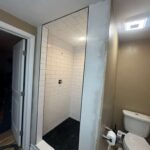

Adding a primary bathroom suite or upgrading an existing one ranks among the most valuable home improvements you can make. A well-designed primary bathroom provides daily luxury, improved functionality, and privacy that significantly enhances quality of life. For Pittsburgh homeowners, primary bathroom additions or renovations also boost resale value, as buyers increasingly expect private bathrooms attached to primary bedrooms. At JL Home Builders, we’ve completed countless primary bathroom projects throughout Pittsburgh and understand how to maximize both the enjoyment and investment value of these important spaces.
Why Primary Bathrooms Matter
The primary bathroom serves as a private retreat where you start and end each day. Unlike shared bathrooms that must accommodate multiple family members with different schedules and needs, your primary bathroom can be designed specifically for your preferences and routines. This personal space allows couples to prepare for work simultaneously without competing for sink and mirror space. Morning and evening routines become more efficient and pleasant in a well-designed private bathroom.
Privacy represents another significant benefit, especially in households with children or multiple generations living together. Having your own bathroom means you’re not walking through common areas in sleepwear or interrupting family activities to access facilities. Guests using hall bathrooms don’t impact your personal space or routines. This separation of private and shared spaces improves household flow and reduces friction around bathroom access.
From a resale perspective, homes with primary bathroom suites command higher prices and sell faster than comparable homes without this feature. Modern buyers expect primary bedrooms to include attached bathrooms, viewing shared bathroom arrangements as outdated and inconvenient. In Pittsburgh’s competitive real estate market, lacking a primary bathroom can limit your buyer pool and reduce offers, while having an attractive primary suite becomes a major selling point.
Assessing Your Space and Options
Before planning a primary bathroom addition or renovation, evaluate your existing space and determine what’s possible. If your primary bedroom already has an attached bathroom, renovation might involve updating fixtures, reconfiguring layout, or expanding into adjacent space to create a more luxurious suite. If your primary bedroom lacks an attached bathroom, you’ll need to find space for an addition.
Common approaches for adding primary bathrooms include converting adjacent bedrooms or closets into bathroom space, expanding into attic space above single-story portions of the home, bumping out with a small addition to create bathroom square footage, or reconfiguring second-floor layouts to carve out bathroom space. Each approach has different costs, complexity, and impact on your home’s overall layout and function.
Pittsburgh’s housing stock includes many older homes where primary bathrooms weren’t standard features. Row houses and twins present unique challenges due to limited space and shared walls. Single-family homes often have more flexibility for additions or reconfigurations. Understanding your home’s specific constraints and possibilities requires careful assessment, ideally with professional input from contractors or designers familiar with Pittsburgh residential architecture.
Planning Layout and Size
Primary bathrooms range from compact spaces with just the essentials to spa-like retreats with luxury features. The right size depends on available space, budget, and your specific needs and desires. A minimum functional primary bathroom typically measures around five by eight feet, providing space for a toilet, sink, and shower or tub. This size works for tight situations but feels cramped and doesn’t allow for luxury features.
More comfortable primary bathrooms measure at least seven by nine feet, allowing better layout options and some amenity upgrades. Spacious primary suites of ten by twelve feet or larger accommodate dual vanities, separate shower and tub, private toilet area, and even amenities like linen storage or dressing areas. Larger isn’t always better if it consumes valuable bedroom space or strains budgets, but adequate size improves function and resale appeal.
Layout efficiency matters as much as overall size. Well-designed compact bathrooms can feel more functional than poorly laid out larger spaces. Consider traffic flow, door swings, and how multiple people will use the space simultaneously. Separate toilet compartments provide privacy when couples use the bathroom at the same time. Dual vanities eliminate morning traffic jams. Positioning the shower and tub thoughtfully prevents water from splashing onto floors or fixtures.
Essential Features and Fixtures
Every primary bathroom needs certain basic elements, but how you implement these features affects both function and aesthetics. A quality vanity with adequate storage keeps counters clear of toiletries and products. Single vanities work for individuals or couples comfortable sharing, while dual vanities provide personal space and simultaneous use capability. Choose vanity size and style appropriate for your space, with sufficient counter area and storage for your actual needs.
Shower quality dramatically affects daily experience. At minimum, include good water pressure, adequate size to move comfortably, and quality fixtures that operate smoothly. Upgraded showers might feature multiple shower heads, body sprays, rainfall heads, built-in seating, or steam capabilities. Glass enclosures rather than curtains create more upscale appearances and make spaces feel larger. Tile selection, niche placement, and lighting all impact shower function and appeal.
Toilets have improved significantly in recent years with better flushing performance, water efficiency, and comfort features. Elongated bowls provide more comfort than round fronts. Comfort height models are easier for adults to use than standard height toilets. Soft-close seats prevent slamming. Some homeowners opt for wall-hung toilets that simplify floor cleaning and create modern aesthetics, though installation is more complex and expensive.
Bathtub inclusion depends on personal preference and resale considerations. If you never take baths, you might skip the tub and invest that space and budget into an exceptional shower. However, homes without any bathtub can be harder to sell, particularly to families with young children. If space allows, including both a quality shower and a soaking tub provides maximum flexibility and appeal.
Luxury Upgrades Worth Considering
Primary bathrooms offer opportunities for luxury features that enhance daily enjoyment. Heated floors provide comfort during Pittsburgh’s cold months and eliminate the shock of stepping onto cold tile after showers. Radiant floor heating systems are efficient, invisible, and add relatively modest cost when installed during new construction or major renovations.
Quality lighting transforms bathroom functionality and ambiance. Layer different lighting types including general overhead lighting, task lighting at vanities, accent lighting to highlight features, and natural light through windows or skylights where possible. Dimmer controls allow adjusting brightness for different times of day and activities. Sconces flanking mirrors provide flattering light for grooming without shadows.
Ventilation prevents moisture problems that lead to mold, mildew, and damage. Properly sized exhaust fans remove humid air during and after showers. Quiet fans encourage actual use rather than remaining off because of noise. Some systems include humidity sensors that automatically run fans when moisture levels rise. Good ventilation protects your investment by preventing moisture damage to finishes and surfaces.
Storage solutions keep bathrooms organized and clutter-free. Medicine cabinets store toiletries and medications out of sight. Linen closets provide towel and supply storage within the bathroom. Built-in niches in showers hold products without cluttering shower floors. Drawer organizers keep small items accessible but orderly. Plan storage based on what you actually need to store rather than generic layouts.
Material Selection for Durability and Style
Material choices significantly impact both the appearance and longevity of your primary bathroom. Flooring must withstand moisture while providing safe, comfortable surfaces. Porcelain or ceramic tile offers durability, water resistance, and endless design options. Large format tiles create more seamless modern looks with fewer grout lines. Smaller tiles provide better traction in wet areas. Luxury vinyl plank gives the appearance of wood with complete water resistance at lower cost than tile.
Countertop materials need to resist water, stains, and daily wear. Quartz provides durability and low maintenance with consistent appearance. Granite offers natural beauty with proper sealing to prevent staining. Marble creates luxury aesthetics but requires more maintenance and careful use to prevent etching and staining. Solid surface materials provide seamless integrated sinks and easy repairs if damaged.
Wall finishes in wet areas must handle moisture and cleaning. Tile remains the standard for showers and tub surrounds with proper waterproofing behind surfaces. Tile comes in countless styles, sizes, and price points from basic subway tile to elaborate patterns and premium materials. Painted walls work for dry areas when using bathroom-appropriate paint with moisture resistance and washability.
Maximizing Natural Light and Views
Natural light makes bathrooms feel larger, brighter, and more pleasant. If possible, incorporate windows into primary bathroom designs. Privacy concerns often limit window options in bathrooms, but several approaches address this while maintaining light. Frosted or textured glass provides light transmission while obscuring views. High placement windows above sight lines bring in light without privacy concerns. Skylights flood bathrooms with natural light from above without compromising privacy.
Window treatments balance light, privacy, and style. Top-down bottom-up shades allow light from upper portions while covering lower areas for privacy. Shutters provide adjustable light control with traditional appeal. Cellular shades offer insulation and light filtering with privacy. Consider both daytime and nighttime privacy needs when selecting window treatments.
If natural light isn’t possible, lighting design becomes even more critical. Bright, even illumination mimics natural light and prevents the cave-like feeling of windowless bathrooms. Cool color temperature bulbs approximate daylight better than warm bulbs in bathrooms. Plan adequate lighting to make spaces functional and inviting despite lack of natural light.
Budgeting for Primary Bathroom Projects
Primary bathroom costs vary enormously based on size, scope, and finishes. Basic updates to existing bathrooms with new fixtures and finishes but no layout changes represent the most affordable option. Mid-range renovations involving layout reconfigurations, plumbing moves, and quality finishes cost significantly more. High-end primary suites with luxury features, premium materials, and space additions represent major investments.
Plan your budget realistically based on your specific project scope. Get detailed estimates from contractors that break down costs for different elements so you understand where money goes. Build in contingency funds for unexpected issues, especially in older Pittsburgh homes where opening walls often reveals problems requiring attention. Prioritize spending on structural elements, quality fixtures, and proper installation rather than purely decorative features.
Consider return on investment when budgeting. While you shouldn’t over-improve for your neighborhood, primary bathrooms generally provide good resale value. Focus spending on features with broad appeal like dual vanities, quality showers, and attractive but not overly trendy finishes. Extremely personal or unusual design choices may not appeal to future buyers, potentially limiting return on investment.
Working with Professionals
Primary bathroom projects involve complex plumbing, electrical, ventilation, waterproofing, and finish work requiring professional expertise. Even if you’re handy, bathroom projects typically aren’t suitable for DIY unless you have specific trade skills. Poor bathroom installation leads to water damage, mold, structural problems, and expensive repairs that far exceed the cost of hiring qualified professionals initially.
Work with contractors experienced in bathroom renovations who understand proper waterproofing techniques, plumbing and electrical codes, ventilation requirements, and quality tile installation. Check credentials, review past work, and verify they pull necessary permits for bathroom projects. Communication throughout the project ensures work meets your expectations and addresses any issues promptly.
Ready to add or upgrade a primary bathroom in your Pittsburgh home? JL Home Builders specializes in creating beautiful, functional primary bathroom suites that enhance daily living and add lasting value. Our experienced team handles everything from space planning and design through final installation, ensuring quality results that you’ll enjoy for years. Contact us today for a consultation and let’s discuss your primary bathroom vision.